• By Kevin E. Noonan —

    The promise of an era of "personalized medicine" has been pursued for a generation, being one of the rationales for and purported benefits of the Human Genome Project.  It has become such a sought-for goal that it has been used to drive policy:  it is something that health care reform is banking on (literally), since by making medicine more individualized, success rates and fewer failed therapies are envisioned.  It crept into the gene patenting debate, with Judge Bryson in his dissent crediting the ACLU's claim that gene patents will inhibit development of personalized medicine (they won't).  But as others have noted (for example, Nicholas Wade, "A dissenting voice as the genome is sifted to fight disease," The New York Times, September 15, 2008), a promise is all it remains:  achieving a personalized medicine future has proven (so far) to be much more daunting than its proponents believed (or told the rest of us to believe).

    New England Journal of Medicine

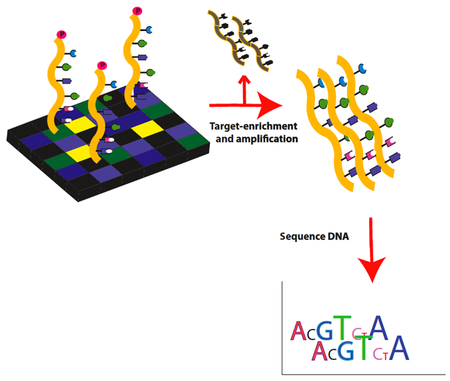
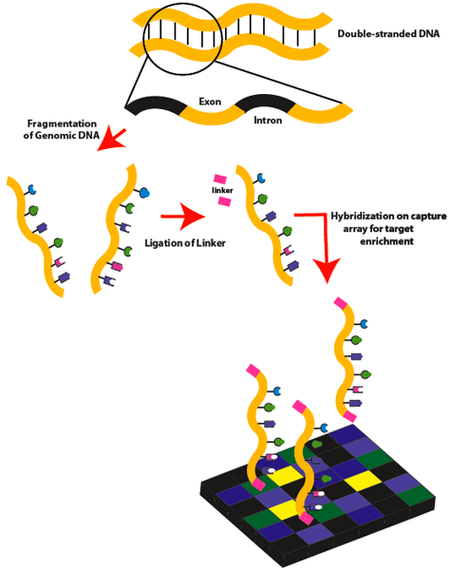
    The results of a cancer study in the New England Journal of Medicine last week may have shed some light on what this has been so.  The report, "Intratumor heterogeneity and branched evolution revealed by multiregion sequencing," a team of physicians and scientists from the UK and Harvard revealed that the genetics of human tumors is much more complicated than previously thought (Gerlinger et al., 2012, N. Engl. J. Med. 366: 883-92).  These researchers obtained multiple biopsy samples from different regions of the same tumor (primary and metastatic) and performed multilocus genomic sequencing.  The tumors were all a particular subtype of primary renal cell carcinoma, clear cell carcinoma (CCC) from patients that had been treated with everolimus (Zortress®, an mTOR inhibitor) therapy before and after nephrectomy.  Whole exome multiregion spatial DNA sequencing (see below) was performed on extracted tissue from fresh frozen samples as well as SNP analysis and mRNA expression profiling using gene arrays.

    Exome Sequencing – Part I:
    Exome_Sequencing_Workflow_1a

    Exome Sequencing – Part 2

    Exome_Sequencing_workflow_1b

    The results showed a significant amount of genetic heterogeneity that could be related to chemotherapeutic drug resistance and differential metastatic potential.  In one CCC patient, nine regions of the primary tumor and three regions of metastatic tumors (as well as the germline DNA sequences) were assayed.  A 2 bp deletion in the von Hippel-Lindau (VHL) tumor suppressor gene was found, a genetic characteristic of CCC.  These analyses revealed 101 nonsynonymous point mutations and 32 instances of insertion or deletion (indels), with the assays showing a low false negative rate of detection.  From a total of 128 mutations detected in the various samples, 40 were "ubiquitous" mutations (found in all samples), 59 were shared by "several but not all" regions, and 29 were unique to a particular region (called "private mutations").  Of the "shared" mutations, 31 were shared by most of the primary tumor samples, and 28 shared by most of the metastatic tumor samples.  "The detection of private mutations suggested an ongoing regional clonal evolution," the authors concluded from this data.

    From these results, the workers constructed a phylogenetic tree that revealed "branching rather than linear" tumor evolution.  Deeper analysis showed that, in some regions, the primary tumor shared more mutation with the metastases than with other areas of the primary tumor, suggesting the existence of two "clonal populations of progenitor cells in this region."  The study also compared these results with results from a "single" tumor biopsy study, which detected 70 somatic mutations (about 55% of the total detected using the multiregional approach).  These figures were put into context by noting that only 31-34% of all mutations detected using the multiregional sampling/sequencing were detected in all regions.  Finally, any major effect of the everolimus treatment on these results was discounted by finding that 67/71 mutations found after treatment were present in the tumor samples pretreatment, and that 64/66 chest wall metastasis mutations were found in post-treatment metastatic tumors.  These results indicated to the researchers that "the two main branches of the phylogenetic tree were present before drug treatment" and that "60% of the mutations in pretreatment samples of the primary tumor and chest-wall metastases were not shared by both biopsy samples," i.e., evidence of clonal evolution that would have required reversion of somatic mutations during treatment (not very likely).

    A conventional measure of tumor heterogeneity, ploidy analysis (i.e., how many chromosomes and chromosome fragments were present in the tumor cells) was also performed.  While the primary tumor was predominantly diploid (i.e., facially "normal") there were two regions in the metastatic tumors that were subtetraploid (i.e., a few fewer than twice the [n]o limited by sample quality issues showed ubiquitous "allelic imbalance" on the short arm of the 3rd chromosome (3p) characterized by loss of heterozygosity at multiple allelic loci), including VHL and histone H3K36 methyltransferase SETD2.  Even here, "tumor regions shared identical allelic-imbalance profiles, and heterogeneity of allelic imbalance within metastases, which is probably driven by aneuploidy, indicates that chromosomal aberrations contribute to genetic intratumor heterogeneity."

    The study also compared the mutational status of genes known to be mutated in CCC, including VHL, SETD2, KDM5C, and mTOR.  Only the VHL gene was ubiquitously mutated in all regions sampled, contrasted in the study by the mutational nature of SETD2:  the metastases all showed a missense mutation while one primary region had a splice site mutation and the others showed a 2 bp frameshift deletion (which was also present in the region with the frameshift mutation).  Convergent evolution was detected with regard to SETD2 histone methylation using functional assays; such convergent genetic evolution in tumor cells was also detected for the X chromosome-encoded histone methyltransferase KDM5C.

    Another gene, mTOR, showed a missense mutation in the portion of the gene encoding a kinase domain; this mutation was found in all but one of the primary tumor regions tested.  The researchers also reported that a currently used test for CCC, a 110-gene signature that assesses patient prognosis, displayed anomalous results:  the metastases and one primary tumor sample showed the "good" prognostic pattern while all the other primary sites showed the "poor" prognostic pattern.  The authors caution that "prognostic gene-expression signatures may not correctly predict outcomes if they are assessed from a single region of a heterogeneous tumor."

    The workers performed similar analyses on three other patients.  In one, patient 2, the researchers found 119 somatic mutations what also showed a branching pattern of clonal genetic evolution in this patient's tumor.  Here, ~31-37 of the mutations were found ubiquitously (the lower number was obtained when the metastases were included).  While no ploidy imbalance was detected in these tumor samples, allelic imbalance was found ubiquitously in all tested regions for 3p and on the long arm of chromosome 10 (10q).  In addition to some of the 3p mutations found in patent 1's tumor, mutations were found for genes residing on 10q, including PTEN.  Convergent evolution was also observed for the PTEN gene.  Similar results were obtained and briefly noted for tumor samples obtained from patients 3 and 4 (patient 4's tumors showed allelic imbalance on chromosomes 5 (5q) and6 (6q)).  However, "[t]hese early ubiquitous events were outnumbered by non-ubiquitous aberrations, indicating that the majority of chromosomal events occurred after tumors diverged, providing further evidence of branching evolution."  Patient 4 also showed tumor heterogeneity in genes like SETD2 that had been detected in other tumor samples.

    The authors summarized their results by noting that they had detected genetic heterogeneity in each tumor assayed, showing "spatial separated heterogeneous somatic mutations and chromosomal imbalances."  These genetic lesions lead to phenotypic heterogeneity, with 63-69% of the mutations not detected in every tumor region sampled.  Their detection of "ubiquitous alterations on the trunk of the tumor phylogenetic tree . . . may account for the benefits of cytoreductive nephrectomy" because it reduces the "reservoir" of primary tumors cells capable of genetic instability and failure to respond to more "conventional" regions of the tumor.  Finally, the authors state that:

    Genomics analyses from single tumor-biopsy specimens may underestimate the mutational burden of heterogeneous tumors.  Intratumor heterogeneity may explain the difficulties encountered in the validation of oncology biomarkers owing to sampling bias, contribute to Darwinian selection of preexisting drug-resistant clones, and predict therapeutic resistance.  Reconstructing tumor clonal architectures and the identification of common mutations located in the trunk of the phylogenetic tree may contribute to more robust biomarkers and therapeutic approaches.

    These results illustrate a few things.  First, the gene patenting debate per se is anachronistic and ten if not thirty years out of date.  The complexity revealed by this study provides one reason why approaches tried thus far for implementing personalized medicine have not worked out as well as planned.  This complexity suggests that it will take far more time to produce a worthwhile personalized medicine paradigm that fulfills all its unfulfilled promises and that the "gene age" will likely be long past by that time.

    This very same complexity reinforces the risk in making any broad pronouncements against the patent-eligibility of "products to nature."  With this level of complexity, the number of "false negatives" (and, presumably, false positives) may make it possible to identify diagnostic genetic markers for disease prognosis that can be protected without patents.  As noted by the authors, identification of the "trunk" mutations (shared by the largest number of tumor samples) provide the best information on the tumor for treatment, prognosis and otherwise.  The negative consequences of changing the incentives from disclosure (protected by patenting) and non-disclosure (protected, inter alia as a trade secret) has been discussed here before; this study points to ways that could be profitable for the company that develops the test at the cost of reaching the goal of personalized medical care.  Because the alternative may be no personalized medical care at all, it behooves participants in the policy debate about gene patents, genetic diagnostic testing, and innovation to consider this study to be but the first in a long series demonstrating that, indeed, we are only at the beginning of the road when it comes to developing a robust personalized medicine system.

    Images of exome sequencing (above) by SarahKusala, from the Wikipedia Commons (Part I & Part 2) under the Creative Commons Attribution 3.0 Unported license.


  • Calendar

    March 14-15, 2012 – Biotech Patenting (C5) – Munich, Germany

    March 20-21, 2012 – FDA Boot Camp*** (American Conference Institute) – New York, NY

    March 26-27, 2012 – PTO Procedures under the America Invents Act*** (American Conference Institute) – New York, NY

    March 27, 2012 – The Biosimilar Drug Approval Pathway: Draft FDA Guidance and Beyond (McDonnell Boehnen Hulbert & Berghoff LLP) – 10:00 am to 11:15 am (CT)

    March 27, 2012 – US Patent Reform Forum 2012 (Managing Intellectual Property) – Washington, DC

    March 28-30, 2012 – 27th Annual Intellectual Property Law Conference (American Bar Association (ABA) Section of Intellectual Property Law) – Arlington, VA

    April 3, 2012 – Contested Proceedings Before the New Patent Trial and Appeal Board (Strafford) – 1:00 – 2:30 pm (EDT)

    April 17, 2012 – 28th Annual Joint Patent Practice Seminar (Connecticut, New Jersey, New York, and Philadelphia Intellectual Property Law Associations) – New York, NY

    April 18, 2012 – European Biotech Patent Law Update (D Young & Co.) – 7:00 am and 12:00 pm (EDT)

    April 18, 2012 – Patent Term Adjustments and Extensions: Recent Developments (Strafford) – 1:00 – 2:30 pm (EDT)

    April 24-25, 2012 – Paragraph IV Disputes*** (American Conference Institute) – New York, NY

    May 22-23, 2012 – Biosimilars*** (American Conference Institute) – New York, NY

    ***Patent Docs is a media partner of this conference or CLE

  • New York #1

    American Conference Institute (ACI) will be holding a conference on Biosimilars on May 22-23, 2012 in New York, NY.  ACI faculty will help attendees:

    • Understand and comply with the FDA's current position on defining biosimilarity and demonstrating interchangeability under the abbreviated pathway;
    • Determine the financial viability of biosimilars and explore new strategic alliances and alternative pathways to approval including biobetters;
    • Adapt a practical approach to incorporate biosimilars into a patent portfolio strategy to protect intellectual property and maximize the biologics life cycle;
    • Prepare for the intricate patent dispute resolution process and brace for the deluge of patent challenges to come;
    • Increase expertise into the already-established biosimilar regime in the EU and learn from successful global commercial launches; and
    • Ascertain the level of clinical trials data that will be required to prove safety and efficacy.

    Brochure

    In particular, ACI's faculty will offer presentations on the following topics:

    • Keynote address: Implementing the biosimilar pathway: FDA guidance and planning for the U.S. biosimilars regime — presented by Denise Esposito, Deputy Associate Director for Policy, Office of Regulatory Policy (ORP), CDER, U.S. Food and Drug Administration (FDA);
    • Answering the $100 million dollar question: Evaluating the commercial viability and opportunity of biosimilars;
    • Defining biosimilarity and meeting the additional statutory standards for interchangeability;
    • Practical implications of a 12-year exclusivity period: Strategically defining and calculating exclusivity;
    • In-house keynote: The biosimilars experience: Providing an optimal patient encounter;
    • Overcoming biosimilars regulatory, marketing, and commercialization challenges;
    • In-depth breakdown of the biosimilar framework in the EU: Risk management strategies to protect your biologic on the international stage;
    • The first wave of litigation: Proactive procedures and early considerations for innovators and biosimilar companies;
    • Timing is everything: A checklist to ensure preparedness for litigation;
    • The post-AIA world: Factoring the impact of patent reform into biosimilars prosecution and litigation strategies;
    • Understanding FDA's requirements for biosimilars clinical trials;
    • Safeguarding intellectual property and maximizing biologic patent life through a robust biosimilars patent portfolio strategy — to be presented in part by Patent Docs author Dr. Kevin Noonan; and
    • BLAs, biobetters and beyond: Evaluating the benefits and risks of alternative routes to market.

    A pre-conference primer, entitled "Biologics 101: Formulating a Biosimilars Patent Portfolio Development Plan Grounded in Complex Scientific Properties," will be offered from 2:00 pm to 5:00 pm on May 21, 2012.  In addition, a post-conference master class, entitled "Maximizing Market Share in a Global Economy: Exploring Opportunities for Biosimilars Growth into Emerging Markets," will be offered from 9:00 am to 12:00 pm on May 24, 2012.

    The agenda for the Biosimilars conference can be found here, and additional information about the pre-conference primer and post-conference master class can be found here.  A complete brochure for this conference, including an agenda, detailed descriptions of conference sessions, list of speakers, and registration form can be obtained here.

    ACI - American Conference Institute

    The registration fee for the conference is $2,295 (conference alone), $2,895 (conference and either pre-conference primer or post-conference master class), or $3,495 (conference, pre-conference primer, and post-conference master class).  Those registering by March 23, 2012 will receive a $300 discount and those registering by April 20, 2012 will receive a $200 discount.  Patent Docs readers who reference the discount code "PD 200" will receive $200 off the current price tier when registering.  Those interested in registering for the conference can do so here, by calling 1-888-224-2480, or by faxing a registration form to 1-877-927-1563.

    Patent Docs is a media partner of the Biosimilars conference.

  • Strafford #1

    Strafford will be offering a webinar entitled "Patent Term Adjustments and Extensions: Recent Developments" on April 18, 2012 from 1:00 – 2:30 pm (EDT).  Thomas L. Irving of Finnegan Henderson Farabow Garrett & Dunner and Margaret J. Sampson of Vinson & Elkins will provide guidance to IP counsel for calculating patent term adjustments and extensions, examine recent court treatment and USPTO rule changes, and offer approaches for maximizing patent term adjustments and extensions.  The webinar will review the following questions:

    • How will the recent rule changes by the USPTO change the landscape for PTA and PTE practice?
    • What will be the impact of the recent decision by the federal district court for the District of Columbia in Bristol Meyers Squibb Co. v. Kappos?
    • What steps should patent applicants take to maximize PTA and PTE?

    An interactive Q&A session will follow the presentation.

    The registration fee for the webinar is $297 ($362 for registration and CLE processing).  Those registering by March 23, 2012 will receive a $50 discount.  Those interested in registering for the webinar, can do so here.

  • Strafford #1

    Strafford will be offering a webinar entitled "Contested Proceedings Before the New Patent Trial and Appeal Board" on April 3, 2012 from 1:00 – 2:30 pm (EDT).  Scott A. McKeown and Greg H. Cardella of Oblon Spivak McClelland Maier & Neustadt will examine the new Patent Trial and Appeal Board (PTAB) and procedures for contested proceedings, and offer guidance for PTO trial and appellate practice.  The webinar will review the following questions:

    • What changes does the PTAB bring?
    • How does the PTAB differ from the Board of Patent Appeals and Interferences (BPAI)?
    • What impact will the new PTAB have on ongoing reexaminations?
    • What factors should counsel consider when deciding whether to file in the district court or the PTAB?

    An interactive Q&A session will follow the presentation.

    The registration fee for the webinar is $297 ($362 for registration and CLE processing).  Those registering by March 16, 2012 will receive a $50 discount.  Those interested in registering for the webinar, can do so here.

  • By Kevin E. Noonan — 

    Cover_nature

    This week's edition of Nature contains the results of the latest (and last) of the "genome" projects for members of the Homini (humans and their closest primate ancestors):  Gorilla gorilla gorilla, the western lowland gorilla (in particular a gorilla named Kamilah, the Craig Venter of her species) (Saclly et al., "Insights into hominid evolution from the gorilla genome sequence," Nature 483: 169-75 (08 March 2012)).  Like most of the genome projects, the results reported in Nature merely scratch the surface of the wealth of sequence data produced in the experiments (comprising 54 Gbp conventional Sanger sequencing and 166.8 Gbp of Illumina sequencing).

    In the big picture, genetic comparisons with humans and chimpanzees (Pan troglodytes) revealed that the human/chimpanzee branch of the primate lineage diverged about 10 (range: 8.5-12) million years ago; in contrast, comparison of genomes of western and eastern gorilla species provides an estimate of evolutionary divergence about 1.75 million years ago.

    The paper details the assumptions used to arrive at these figures, based on an estimate of 0.5 – 0.6 x 10⁻⁹ mutations per bp per year in the primate genomes.  However, these researchers acknowledge that there is a disconnect between fossil estimates of when the speciation event occurred and the genetic estimate presented here that can only be reconciled by positing changing mutation rates, that may be explained by correlations with larger body mass and lower generation times between the species.  The authors concede that alternative scenarios are possible, including the existence of a population bottleneck and a non-allopatric speciation process in the human/chimp/gorilla line.

    Western_Lowland_Gorilla

    Turning to the genetic data, "typical" stretchs of "error-free" sequences were found to be about 7.2 kbp long, with errors clustering in repetitive regions.  A total of 3,041,976,159 bp were sequenced, with 20,962 protein coding genes, 1553 pseudogenes, and 6,701 RNA genes identified.  The researchers detected selection in the area of coding regions in all three species that suppresses mutations, making these regions more similar between the three species than in the rest of the genome(s).  Loss-or-gain analysis in autosomes showed an average of ~3-7 Mbp per species, distributed "genome-wide" and also found in orangutangs and more evolutionarily-distant species.  These results were consistent in patterns of gene loss; instances of gene gain were consistent with gene duplication.  Interestingly, the paper reports that 30% of gorilla genes are closer to either human or chimp that the corresponding human and chimp genes are to each other.  In addition, there is evidence for "accelerated evolution" for around 500 genes in parallel between humans, chimps, and gorillas, particularly in genes involved in hearing:  "[s]ome [gene] fragments found only in one species overlap coding exons in annotated genes: 6 genes in human, 5 in chimpanzee and 9 in gorilla, the majority being associated with olfactory receptor proteins or other rapidly evolving functions, such as male fertility and immune response."  Rapid structural evolution was also detected in the gorilla Y chromosome, something also observed in comparisons between human and chimp Y chromosomal sequences.

    Protein alignment over 11,538 ORFs indentified regions of "accelerated evolution" that focused on "enriched for functions associated with sensory perception, particularly in relation to hearing and brain development," including specifically OTOF (Otoferlin, mutations thereof being the cause of neurosensory nonsyndromic recessive deafness), LOXHD1 (expressed in the mechanosensory hair cells in the inner ear, with mutations being associated with hearing defects) and GPR98 (G-protein coupled receptor 98, expressed in the central nervous system in humans and associated with Usher syndrome), all genes associated with diseases involved in human deafness.  The gene reported to have the strongest evidence for accelerated evolution in the hominines is RNF213, a gene that in humans is associated with Moyamoya disease, where blood flow to the brain is restricted due to arterial stenosis.  The paper reports "relatively similar" numbers of genes in humans (663), chimpanzees (562), and gorillas (535) that have apparently undergone accelerated evolution.  In the gorilla, accelerated genes are enriched for developmental events in ear, hair follicle, gonad and brain development, and sensory perception of sound, with the most significantly accelerated gene in gorilla being EVPL, which encodes a component of the cornified envelope of keratinocytes.  The authors speculate that this differential evolution "may be related to increased cornification of knuckle pads in gorilla."

    The paper also reports instances of pairwise parallel evolution among hominines, with human and chimpanzee showing the largest numbers of paired genes, and with gorilla showing more parallel evolution with human than with chimpanzees.  There were 84 instances of gene loss in gorilla due to the acquisition of a premature stop codon, and in "several" cases the gorilla genome encoded a single gene at a locus that in humans encodes a protein variant believed to cause inherited disease.  The authors speculate that while the reason "variants that appear to cause disease in humans might be associated with a normal phenotype in gorillas is unknown" it is possible that there "are compensatory molecular changes elsewhere, or differing environmental conditions."

    While the data relating to differences in gene transcription were not extensive or definitive, the paper reports that there is about a 7% divergence in splicing patterns between species for the genes examined.

    The paper closes by reporting on genetic relationships between Gorilla gorilla (the western lowland gorilla) and Gorilla beringei (the eastern lowland gorilla).  The data were consistent with the current disparity in population size between the eastern and western lowland gorilla populations; this evidence in the species DNA indicated that the disparity has existed for "many millennia" and thus is probably not the result of human predation and habitat invasion or disease occurrence such as "recent outbreaks of the Ebola virus."  Even these results can be related to human-gorilla differences:  gorillas were shown to have "greater copy number diversity" than humans, a result "consistent with previous observations in the great ape."

    The authors state their conclusions best:

    Since the middle Miocene — an epoch of abundance and diversity for apes throughout Eurasia and Africa — the prevailing pattern of ape evolution has been one of fragmentation and extinction.  The present-day distribution of non-human great apes, existing only as endangered and subdivided populations in equatorial forest refugia, is a legacy of that process.  Even humans, now spread around the world and occupying habitats previously inaccessible to any primate, bear the genetic legacy of past population crises.  All other branches of the genus Homo have passed into extinction.  It may be that in the condition of Gorilla, Pan and Pongo [orangutan] we see some echo of our own ancestors before the last 100,000 years, and perhaps a condition experienced many times over several million years of evolution.  It is notable that species within at least three of these genera continued to exchange genetic material long after separation, a disposition that may have aided their survival in the face of diminishing numbers.  As well as teaching us about human evolution, the study of the great apes connects us to a time when our existence was more tenuous, and in doing so, highlights the importance of protecting and conserving these remarkable species.

    The work was performed by an international consortium of researchers working at the Wellcome Trust Sanger Institute, Wellcome Trust Genome Campus; the Bioinformatics Research Center, Aarhus University; the Department of Genome Sciences, University of Washington School of Medicine; the European Bioinformatics Institute, Wellcome Trust Genome Campus; Department of Genetic Medicine and Development, University of Geneva Medical School; Institut de Biologia Evolutiva and Institucio Catalana de Recerca i Estudis Avançats, Barcelona; the Department of Zoology and Department of Oncology, Hutchison/MRC Research Centre, University of Cambridge; Cancer Research UK, Cambridge Research Institute; Howard Hughes Medical Institute, University of Washington; Institute of Medical Genetics, Cardiff University; Department of Anthropology, Yale University; The Genome Institute at Washington University, Washington University School of Medicine; MRC Functional Genomics Unit, University of Oxford, Department of Physiology, Anatomy and Genetics; Wellcome Trust Centre for Human Genetics, Oxford; Comparative Genomics Unit, Genome Technology Branch, National Human Genome Research Institute, National Institutes of Health; Max Planck Institute for Evolutionary Anthropology, Primatology Department; Children's Hospital Oakland Research Institute; and the San Diego Zoo's Institute for Conservation Research.

    Image of Western Lowland Gorilla at Bronx Zoo (above) by Fred Hsu, from the Wikipedia Commons under the Creative Commons license.

  • By Donald Zuhn —

    EPO

    Last month, the European Patent Office announced the launch of a new machine translation service, Patent Translate.  Patent Translate, which uses Google Translate technology, allows users to translate between English and French, German, Spanish, Italian, Portuguese, or Swedish.  The EPO press release on the launch noted that translations offered by the new service cover approximately 90% of all patents issued in Europe.

    The EPO also announced plans to extend the service by the end of 2014 to permit users to translate from and to all 28 languages of the EPO members states, as well as provide for the translation of Chinese, Japanese, Korean, and Russian languages.  The next batch of languages to be added to the system, sometime in 2013, include Danish, Dutch, Finnish, Greek, Hungarian, and Norwegian.

    Instructions for using the service can be found on the EPO's Patent Translate webpage (which has been added to the Patent Docs Patent Resources in the right panel).  The new service can be used through Espacenet, the EPO's database of more than 70 million worldwide patent documents, or the European publication server.

    Google

    The collaboration between the EPO and Google has progressed fairly quickly.  In November 2010, the EPO announced that it had signed a memorandum of understanding with Google to improve access to patent translations in multiple languages.  Under that agreement, the EPO was given use of Google's machine translation technology to translate patents into different languages, and Google was provided with access to EPO patent documents, allowing the company to optimize its machine translation technology.  Less than a year ago, the EPO announced that it had signed a long-term agreement to collaborate on the machine translation service that produced Patent Translate.  The EPO noted that the agreement involved no financial component.  The development of the Patent Translate service was achieved by Google's use of several hundred thousand high quality patent translations to "train" the company's translation system.

    EPO President Benoît Battistelli called the launch of Patent Translate "a landmark towards the removal of language barriers worldwide from patent documentation," and suggested that the new service would "facilitate[] the implementation of the unitary patent which includes an important chapter on translation."

    In a related development, the EPO and the State Intellectual Property Office of the People's Republic of China (SIPO) announced last fall that the two offices would work together to assure that automatic Chinese-English machine translation tools for patents would be made available to the public within a year.

  • By Donald Zuhn —

    USPTO Seal

    In February, the U.S. Patent and Trademark Office announced the establishment of the Thomas Alva Edison Visiting Professionals Program, which is designed to tap into the expertise of distinguished IP professionals and academics who are able to devote up to six months of service to the Office on a full time basis.  The Office also announced that the first Edison Professional will be Georgetown Law Professor John R. Thomas.  The Office noted that since 1999, Prof. Thomas has served as a Visiting Scholar with the Congressional Research Service (CRS), where he assisted members of Congress and their staff during the enactment of both the American Inventors Protection Act (AIPA) and Leahy-Smith America Invents Act (AIA).  Prof. Thomas also clerked for Chief Judge Helen Nies of the Court of Appeals for the Federal Circuit.

    Thomas, John

    As a Visiting Scholar with the CRS, Prof. Thomas (at left) recently prepared a report for Congress entitled "Patent Infringement and Experimental Use Under the Hatch-Waxman Act: Current Issues."  In that report, Prof. Thomas notes that "[r]eflecting its compromise nature, the [Hatch-Waxman Act] both provides an exemption for patent infringement (for FDA regulatory compliance activities) and creates a new infringing act (the filing of certain ANDAs by generic firms)."  In particular, the Act contains one provision (35 U.S.C. § 271(e)(1)) that creates a statutory "safe harbor" exempting someone from a patent infringement claim based on acts reasonably related to seeking marketing approval from the FDA, and a second provision (35 U.S.C. § 271(e)(2)) that creates a "somewhat artificial" act of infringement allowing a brand-name company to enforce its patent against a generic competitor that has filed an Abbreviated New Drug Application (ANDA) with a Paragraph IV certification.

    The report indicates that recent judicial developments have involved both provisions.  With respect to § 271(e)(1), the report notes that in Classen Immunotherapies, Inc. v. Biogen Idec, 659 F.3d 1057 (Fed. Cir. 2011), the Federal Circuit concluded that § 271(e)(1) is "directed to premarketing approval of generic counterparts before patent expiration."  The report concludes that "[i]n view of this holding, activities not associated with the preparation of an NDA or ANDA are not shielded by the safe harbor, even though they lead to information that must be reported to the FDA."  However, "[b]ecause 35 U.S.C. §271(e)(1) does not expressly restrict its scope to premarketing approval efforts," the report notes that the holding in Classen "has been the subject of considerable discussion."  In addition, as Judge Moore noted in her dissent in Classen, the Supreme Court has consistently construed the safe harbor in an expansive manner.  The report, however, acknowledges that "[i]f 35 U.S.C. §271(e)(1) were to apply to post-approval activities, then a potentially broad swath of activity could be conducted free of the patent system."

    With respect to § 271(e)(2), the report indicates that while this section does not expressly state that brand-name companies must explicitly identify patents to the FDA prior to asserting those patents under § 271(e)(2), "the Supreme Court has suggested that such identification is a predicate for litigation."  Nevertheless, the report points out that "[t]he courts have yet to rule definitively on this point."  Noting that "[w]hether a cause of action under 35 U.S.C. §271(e)(2) is predicated upon a paragraph IV certification or not holds notable consequences for the Hatch-Waxman system," the report suggests that if such a certification is not required, then the filing of an ANDA could lead to a claim of infringement for a patents that is not listed in the Orange Book.  The report notes that the issue was most recently acknowledged (but left unresolved) by the Federal Circuit in Abraxis Bioscience Inc. v. Navinta LLC, 625 F.3d 1359 (Fed. Cir. 2010).  However, the report suggests that "[t]his issue may yet be placed before the courts in the future."

    The report concludes that should Congress decide that it needs to intervene and revise the two provisions, it "could stipulate whether 35 U.S.C. §271(e)(1) applies to acts that occur following the award of FDA marketing approval or not," and "also explicitly state whether 35 U.S.C. §271(e)(2) establishes a cause of action for infringement of patents that have not been listed in the Orange Book and therefore were not the subject of a paragraph IV certification."

    Hat tip to Greg Aharonian for making the CRS report available via his e-mail newsletter.

  • Federal Circuit Overrules PTO on Statutory Construction

    By Kevin E. Noonan —

    Federal Circuit Seal

    The interplay between the U.S. Patent and Trademark Office and its supervisory appellate court (whether the Court of Customs and Patent Appeals or, after 1982, the Federal Circuit) is of long vintage.  Examples include the dispute between the CCPA (particularly Judge Rich) and the Office in the In re Bergy / In re Chakrabarty cases (dealing with the patent-eligibility of living things), only finally resolved by the Supreme Court's decision contrary to the Office's position in Diamond v. Chakrabarty, and the decade-long tussle over whether claims to isolated DNA molecules were obvious exemplified by In re Bell and In re Deuel, again only resolved (this time in the Office's favor albeit in a decision of limited scope in In re Kubin) by the Supreme Court's decision in KSR Int'l Co. v. Teleflex Inc.  The Office also scored a significant victory in its goal towards removing the shackles of Federal Circuit authority in Dickinson v. Zurko, when the Supreme Court found the Federal Circuit to be bound by the provisions of the Administrative Procedure Act and thus compelled to credit the Office's factual determinations if they were supported by substantial evidence.  The one area where the appellate court's decisions remain supreme (at least over the Patent Office) is in questions of law, including as is relevant here, statutory interpretation.

    The Federal Circuit exercised its plenary power over statutory construction issues in reversing the Board's decision against the patent applicant in In re Staats.  The case involved the last of a series of broadening reissue applications filed by a patentee.  The original patent contained claims to a method for improving isochronous ("at the same time") data transfers in a computer's central processing unit (CPU).  Prior art methods consumed too much CPU time "servicing the isochronous data transmissions even . . . when no isochronous data was being transferred," according to the specification of U.S. Patent No. 5,940,600.  The '600 patent disclosed two embodiments of methods for overcoming this deficiency:  first, by using a "linked list of buffers" that permitted the CPU to perform other tasks while no isochronous data transfers were occurring; and second, by bypassing the CPU altogether using a "direct" isochronous data channel between a sender node and a receiver node.  Upon issue, the claims of the '600 patent were directed exclusively to embodiments of the first disclosed invention and not to the second disclosed invention.

    Apple Computer

    The patentee timely filed a broadening reissue application directed at claims reciting a "linked list of buffers," i.e., claims to the first disclosed invention.  During pendency of this first reissue application (which was reissued as RE38,641 E) the patentee filed another reissue application "as a continuation of the first broadening reissue application" that was also addressed to broadened claims reciting embodiments of the first disclosed invention.  During pendency of this reissue application (RE39,763 E) the patentee filed yet another reissue application as a continuation of the second reissue application.  However, in this application, the (admittedly broadening) claims were directed to the second disclosed invention.  As noted in the Court's opinion, these claims were presented "almost eight years after the original grant of the '600 patent."  The Examiner and the Board, despite recognizing contrary appellate precedent (In re Doll, 419 F.2d 925 (CCPA 1970)) rejected these claims as being beyond the two-year limit on filing broadening reissue application under 35 U.S.C. § 251.

    The Federal Circuit opinion reversing the Office was written by Judge Dyk and joined by Judges O'Malley and Reyna, with Judge O'Malley writing a strongly worded concurring opinion.  The majority relied almost exclusively upon In re Doll, saying that the panel was bound by this CCPA precedent and that the Court sitting en banc was required to overturn it.  The majority specifically rejected the Office's attempt to distinguish Doll based on the circumstances in this case:  in Doll, broadening reissue claims in a continuation application that were rejected by the Board (a rejection overturned by the CCPA) were directed to the "same" invention as the claims in the first reissue application.  Here, according to the Board, the difference was that the rejected claims in the third reissue application were to an "independent and distinct" second invention that had not been patented in either the original patent or either of the two previous reissue applications, and that to permit pursuit of these claims would frustrate the "public notice function" of the reissue statute.  (Presumably, the estoppel provisions of the recapture rule did not apply to these claims.)  The Federal Circuit found no basis in Supreme Court precedent, the 1952 statutory language, CCPA precedent, or its own precedent that supported this distinction.  Specifically, the majority did not find the distinction urged by the Office in the Doll opinion itself, and also failed to find this distinction in Federal Circuit cases (In re Graff and In re Fotland) that followed the Doll precedent.  But ultimately it came down to the precedential weight of the Doll opinion:

    In short, this panel is bound by Doll.  See S. Corp. v. United States, 690 F.2d 1368, 1370 (Fed. Cir. 1982) (en banc) (adopting the decisions of the CCPA as binding precedent); In re Am. Fertility Soc'y, 188 F.3d 1341, 1347 (Fed. Cir. 1999) (holding that an earlier precedential decision is binding precedent on later panels).  If the PTO believes we should overrule Doll, that is a matter that must be presented to the en banc court.

    In her concurring opinion Judge O'Malley took a much stronger stand.  Calling the majority opinion "inadequate" insofar as it merely relied upon Doll and "wrong" ("[i]ndeed, . . . wrong on multiple levels") insofar as it was "an invitation to reconsider [the Doll] decision," the concurrence cited "[t]he plain language of 35 U.S.C. § 251, coupled with the legislative history, long-standing unambiguous regulations implementing the statute, all relevant case law, and common sense" to "all compel reversal in this case."  Her opinion then walks through the statutory language, the legislative history, "all PTO governing rules and regulations" and "all relevant case law" to support her position in favor of reversing the Board's decision.  In view of her explication of these varied sources for construing the statute, Judge O'Malley concludes that "the PTO's efforts to distinguish those cases so as to avoid the need to comply with their holdings stretch credulity" and:

    [i]n the end, the PTO ignores every step in a proper statutory construction analysis and falls back on policy concerns it claims allow it to ignore the face of § 251 and to disregard both its own and this court's pronouncements regarding the proper operation of that governing provision.  Given the limited life of additional claims which can be sought through the type of continuing reissue practice at issue here, the protections afforded by the intervening rights provisions in 35 U.S.C. § 252, and the countervailing implementation concerns the PTO's new standard creates, however, the PTO's policy arguments are overstated — substantially so.  Even if those policy statements were not overstated, they would be an insufficient reed upon which to rest such a sweeping change in the law.

    There is an irony here for anyone who has observed the Federal Circuit's jurisprudence over the course of its history.  That history is replete with "bright-line rules" (involving obviousness, the doctrine of equivalents, the written description requirement and others) aimed at providing a modicum of legal certainty in accordance with the Court's Congressional mandate to harmonize U.S. patent law.  In doing so, the Federal Circuit frequently "quietly walked away from" precedent, even Supreme Court precedent, that was contrary to this goal.  In this case, it is the PTO rather than the Federal Circuit that is urging certainty, taking the position that certainty is fostered by preventing a patentee from drawing out reissue prosecution to include previously unclaimed subject matter (that in another context was considered by the Federal Circuit to be "dedicated to the public"; Johnson & Johnston v. R.E. Service, 285 F.3d 1046 (Fed. Cir. 2002) (en banc)) more than two years after the original patent is granted.  Perhaps the doctrines of intervening rights or prosecution laches are available to provide some counterbalance to the Court's decision, which (it is evident) is available in the service of possible shenanigans by patentees.  But in its decision here, the Federal Circuit takes a significantly different philosophical step than has been its wont (at least before a decade of contrary treatment by the Supreme Court), which in itself makes this case remarkable.

    In re Staats (Fed. Cir. 2012)
    Panel: Circuit Judges Dyk, O'Malley, and Reyna
    Opinion by Circuit Judge Dyk; concurring opinion by Circuit Judge O'Malley

  • By Sherri Oslick —

    Gavel About Court Report:  Each week we will report briefly on recently filed biotech and pharma cases.

    Cephalon Inc. v. Mylan Pharmaceuticals Inc. et al.
    1:12-cv-00247; filed February 29, 2012 in the District Court of Delaware

    • Plaintiff:  Cephalon Inc.
    • Defendants:  Mylan Pharmaceuticals Inc.; Mylan Inc.

    Cephalon Inc. v. Sandoz Inc.
    1:12-cv-00248; filed February 29, 2012 in the District Court of Delaware

    The complaints in these cases are substantially identical.  Infringement of U.S. Patent No. 8,119,158 ("Effervescent Oral Fentanyl Dosage Form and Methods of Administering Fentanyl," issued February 21, 2012) in conjunction with Mylan's prior filing of an ANDA to manufacture a generic version of Cephalon's Fentora® (fentanyl citrate buccal tablets, used to treat breakthrough pain in adult patients with cancer).  View the Mylan complaint here.


    Precision BioSciences, Inc. v. Cellectis SA et al.

    5:12-cv-00096; filed February 28, 2012 in the Eastern District Court of North Carolina

    • Plaintiff:  Precision BioSciences, Inc.
    • Defendants:  Cellectis SA; Cellectis Bioresearch; Cellectis Bioresearch Inc.

    Infringement of U.S. Patent No. 8,124,369 ("Method of Cleaving DNA with Rationally Designed Meganucleases," issued February 28, 2012) based on Cellectis' manufacture, use, and sale of certain products, including meganucleases targeting the HPRT gene in Chinese Hamster Ovary cells, meganucleases targeting the GS gene in Chinese Hamster Ovary cells, and meganucleases targeting the HIV1 genome.  View the complaint here.


    Abbott Laboratories et al. v. Hospira Inc.

    1:12-cv-00234; filed February 27, 2012 in the District Court of Delaware

    • Plaintiffs:  Abbott Laboratories; Wisconsin Alumni Research Foundation
    • Defendant:  Hospira Inc.

    Infringement of U.S. Patent No. 5,597,815 ("Prevention of Hyperphosphatemia in Kidney Disorder Patients," issued January 28, 1997) based on Hospira's filing of an NDA (under § 505(b)(2) of the Food, Drug and Cosmetic Act) to manufacture a generic version of Abbott's Zemplar® (paricalcitol, used to treat secondary hyperparathyroidism in patients with kidney failure).  View the complaint here.


    Abbott Laboratories et al. v. Amneal Pharmaceuticals LLC et al.

    1:12-cv-00235; filed February 27, 2012 in the District Court of Delaware

    • Plaintiffs:  Abbott Laboratories; Abbott Respiratory LLC
    • Defendants:  Amneal Pharmaceuticals LLC; Amneal Pharmaceuticals Co. India Pvt. Ltd.

    Infringement of U.S. Patent No. 6,080,428 ("Nicotinic Acid Compositions for Treating Hyperlipidemia and Related Methods Therefor," issued June 27, 2000) following a Paragraph IV certification as part of Amneal's filing of an ANDA to manufacture a generic version of Abbott's Niaspan® (niacin extended-release tablets, used to treat hypercholesterolemia).  View the complaint here.


    Nautilus Neurosciences, Inc. et al. v. Wockhardt USA LLC et al.

    2:12-cv-01243; filed February 27, 2012 in the District Court of New Jersey

    • Plaintiffs:  Nautilus Neurosciences, Inc.; APR Applied Pharma Research SA
    • Defendants:  Wockhardt USA LLC; Wockhardt Ltd.; Edict Pharmaceuticals PVT. Ltd.

    Infringement of U.S. Patent No. 8,097,651 ("Diclofenac Formulations and Methods of Use," issued January 17, 2012) in conjunction with Wockhardt's prior filing of an ANDA to manufacture a generic version of Nautilus' Cambia® (diclofenac potassium, used for the acute treatment of migraine attacks).  View the complaint here.


    Verinata Health, Inc. et al. v. Sequenom, Inc. et al.

    4:12-cv-00865; filed February 22, 2012 in the Northern District of California

    • Plaintiffs:  Verinata Health, Inc.; The Board of Trustees of the Leland Stanford Junior University
    • Defendants:  Sequenom, Inc.; Sequenom Center for Molecular Medicine, LLC

    Declaratory judgment of non-infringement and invalidity of U.S. Patent No. 6,258,540 ("Non-invasive Prenatal Diagnosis," issued July 10, 2001) based on Verinata's test to analyze cell-free DNA circulating in the blood of a pregnant woman by DNA sequencing in order to determine whether a fetus is at risk of having an abnormal number of chromosomes.  Also, infringement of U.S. Patent Nos. 8,008,018 ("Determination of Fetal Aneuploidies by Massively Parallel DNA Sequencing," issued August 30, 2011) and 7,888,017 ("Non-invasive Fetal Genetic Screening by Digital Analysis," issued February 15, 2011) based on Sequenom's offered commercial test MaterniT21, a non-invasive prenatal test for Down syndrome.  View the complaint here.