• Calendar_25
    July 12-14, 2007 – Intellectual Property Law Summer Institute (Institute of Continuing Legal Education) – Mackinac Island, Michigan

    July 16-17, 2007 – Pharma and Biotech Collaborative Agreements Conference (American Conference Institute) – San Francisco, CA***

    ***Patent Docs is a media sponsor of this conference or CLE.

  •     By Kevin E. Noonan

    Index_02
    Craig Venter’s colleagues at the J. Craig Venter Institute show no signs that recent vocal criticism of their work in synthetic biology has made a dent in their determination to "create life" (see "Patenting Life (Really)").  They report in this week’s Science Express (an online journal of pre-publication posted papers) that they have taken the next step, by successfully transplanting an entire bacterial chromosome into a bacterial cell (Lartigue et al., "Genome Transplantation in Bacteria: Changing One Species to Another").

    This work is an extension of earlier studies defined by a core set of essential genes necessary for cellular function in Mycoplasma genitalium (at left).  This work is already the subject of a U.S. and International patent applications (U.S. Publication No. 2007/0122826, published May 31, 2007, and International Publication No. WO 2007/047148, published April 26, 2007), as is (or will be) the new results reported today.

    In the latest work, the group reports "transplanting" the genome of one Mycoplasma species into another, using "naked" (i.e., not complexed with protein) bacterial genomic DNA and conventional polyethylene glycol-mediated transformation techniques.  The transferred genome, from M. mycoides, naturally contains a tetracycline-resistance gene, permitting the recipient cells from M. capricolum to be placed under tetracycline selection, increasing yield and detection of the transformants.  Importantly, the authors report that they could not detect any of the native M. capricolum DNA in the selected recipients, and the phenotype of the resulting cells was the product of M. mycoides gene expression without any contribution from (and thus no evidence of persistence of) M. capricolum DNA.

    Part of the excitement about this latest feat is the size of the DNA transferred.  Heretofore the largest transferred DNA has been in bacterial artificial chromosomes (BACs), having a size of about 200 kilobasepairs.  The M. mycoides genome is 1.1 megabasepairs in size, an almost six-fold increase over BACs.  By using tetracycline expression, the authors believe the M. capricolum DNA is gradually lost during cell divisions subsequent to transfer, leaving only M. mycoides DNA conferring the phenotype of the transgenomic cell.  This was established using sensitive polymerase chain reaction (PCR) methods for detecting small amounts of residual genome-specific DNA, and hybridization assays using genome-specific repeat (transposon-related) probes.

    The authors are quick to point out the limitations of their technique and are well aware of the challenges they face in producing a synthetic, genetically-engineered microorganism.  This work represents only a first step, but is an important proof-of-principle.  Given Dr. Venter’s track record, it is very likely that we will be talking about creation of a new bacterial species (which Dr. Venter has tentatively named Mycoplasma laboratorium) comprising a truly "synthetic" minimal chromosome in a heterologous bacterial host sometime in the near future.

    For additional information on this topic, please see the J. Craig Venter Institute press release.

  •     By Donald Zuhn

    Uspto_seal
    On Thursday, the U.S. Patent and Trademark Office announced that it would extend the Patent Prosecution Highway (PPH) pilot program for an additional six months.  The PPH pilot program, which the office began almost a year ago on July 3, 2006, allows an applicant having an application whose claims have been allowed in Japan to fast track the examination of a corresponding U.S. application, such that the application would be examined out of turn.  The PPH pilot program was only recently modified on June 12, 2007 to permit certain applications based on PCT filings, which had been originally excluded, to qualify for the program.  The PPH pilot program will now continue until January 3, 2008.  Additional information regarding the PPH program can be found here.

  •     By Kevin E. Noonan

    Peter Duesberg is at it again.  Pioneering virologist and molecular biologist, purported genius, and member of the U.S. National Academy of Science, Professor Duesberg is predominantly and (in)famously a scientific contrarian, quick, even eager to tell other scientists that they are wrong – not just wrong about a particular experiment or line of inquiry, but utterly, irredeemably wrong about fundamental explanations for biological phenomena.
    275pxpeter_duesberg_01m
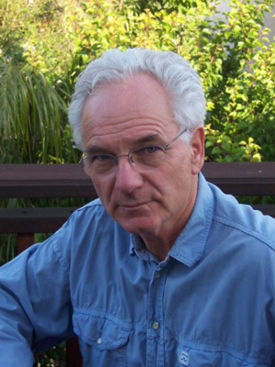
    Professor Duesberg (at right), who is on the faculty at the University of California at Berkley in the Department of Molecular and Cell Biology, began to develop his dissenting style over the issue of oncogenes – cellular genes believed to be involved in causing cancer.  The genesis for the idea came from Duesberg’s own area of study – using molecular biology to sequence avian and mammalian retroviruses which were associated with cancer in many animal species (except, with one rare exception, man).  One of the biggest surprises to come out of this work is that the viral genes responsible for making the viruses cancer-causing – called oncogenes – had related homologues in vertebrate genomic DNA.  This led to a large field of endeavor to identify these human proto-oncogenes and to determine the differences between the viral genes and the vertebrate genes to understand why the viral genes caused cancer.
    Rw_0301
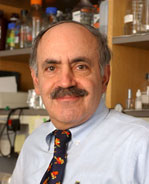
    Professor Duesberg began to take exception to the interpretation of the results of these studies when Robert Weinberg (at MIT; left), Mariano Barbacid (at the NIH), and Michael Wigler (at Cold Spring Harbor) all independently showed that a proto-oncogene, c-ras, could transform a mouse fibroblast cell line (NIH 3T3 cells) to display cancer-cell associated properties, including growth in serum-depleted media and soft agar, and tumorigenicity in experimental animals.  Demonstrations (some that turned out to be unreliable) of the same capacity were published for other cellular proto-oncogenes.  This resulted in the theory that such proto-oncogenes, and mutation or dysregulation of proto-oncogene expression, were involved in naturally-occurring tumorigenesis in humans.

    Professor Duesberg vigorously challenged these results, basing his objections on the artificiality of the transformation system used and the structural differences between proto-oncogenes and retroviral oncogenes.  The latter, according to Professor Duesberg, were in every case dramatically-changed molecules, exhibiting deletions, truncations, and mutations that distinguished the viral genes from their cellular progenitors.  Professor Duesberg accepted that the viral genes had been selected by evolutionary pressures to act as tumor-causing genes, but did not agree that cellular genes played the same role.  Rather, Professor Duesberg believed that loss-of-function mutations, particularly among tumor suppressor genes (which at the time were mainly hypothetical) were responsible for human cancer.  At times, his was one of the few voices making this argument, and although no one today doubts that oncogenes are involved in human cancer, the role of mutant tumor suppressor genes has also been recognized in the years since Professor Duesberg’s original objections.  Tellingly, however, Professor Duesberg’s objections were based at least in part on his conviction that the phenomenology of classical cancer cell biology did not comport with (or was relegated to a mere consequence by) the ascendant molecular biology of cancer.
    Robertkoch
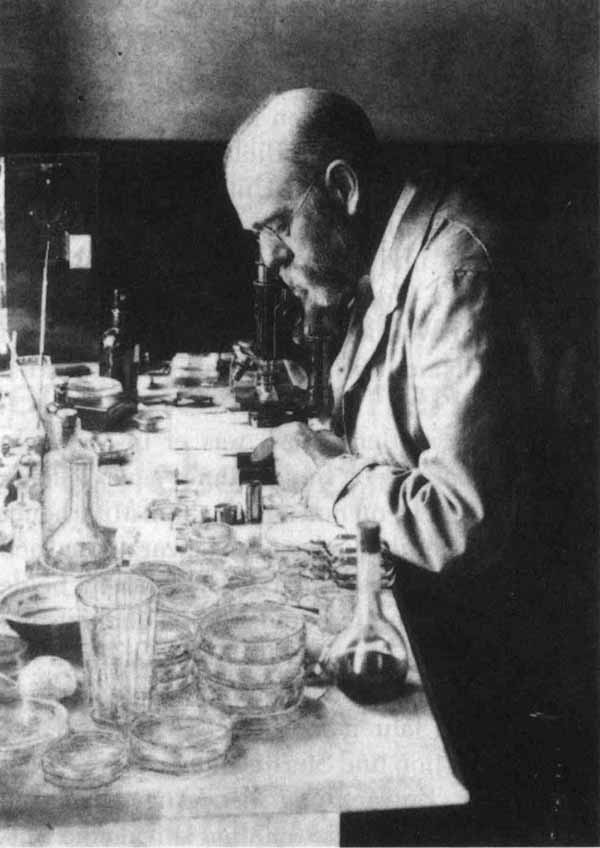
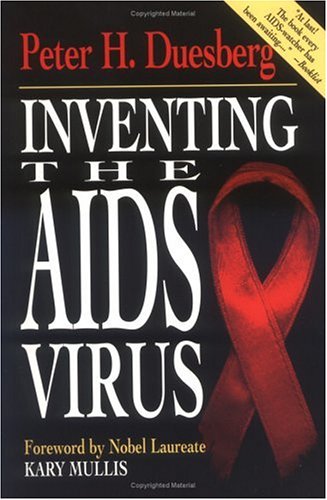
    Professor Duesberg is most famous, of course, for challenging the hypothesis that human immunodeficiency virus causes acquired immune deficiency syndrome (AIDS).  Again, the basis for Professor Duesberg’s objections were based on classical epidemiology:  according to Professor Duesberg, the HIV hypothesis did not fulfill Koch’s postulates for identifying a microorganism responsible for disease.  The postulates, developed by Robert Koch (at right) during his investigations in the late 19th century resulting in identifying many disease-causing microorganisms, are:

    1.  The microorganism must be found in all organisms suffering from the disease, but not in healthy organisms.
    2.  The microorganism must be isolated from a diseased organism and grown in pure culture.
    3.  The cultured microorganism should cause disease when introduced into a healthy organism.
    4.  The microorganism must be reisolated from the inoculated, diseased experimental host and identified as being identical to the original specific causative agent.

    According to Professor Duesberg, HIV did not fulfill these criteria:  HIV was not always detectable in AIDS patients, and HIV infected individuals could appear healthy, for example.  Unfortunately, the universality of the postulates is not absolute, a fact recognized by Koch himself.  For example, asymptomatic "carriers" of disease exist, contravening the first postulate (for example, in typhoid), and the capacity of a cultured microorganism to cause disease according to the third postulate is dependent on a great many other factors, including individual susceptibility of the host organism.  Undeterred, Professor Duesberg attributed AIDS to a general depletion of the immune system caused by, among other things, promiscuous sex and amyl nitrate abuse.  While these theories may have had some attractiveness, particularly among those ready and willing to blame homosexual behavior for the AIDS epidemic, it had much less relevance to the crisis in places like sub-Saharan Africa, but that did not deter Professor Duesberg from promoting his unorthodox theories.
    089526399801lzzzzzzz
    Professor Duesberg’s insistence that he was right and everyone else wrong about the "AIDS hypothesis" soon turned to accusations by him that those advocating that HIV causes AIDS were motivated not by the evidence but by a desire to secure research funding.  In the political climate of the times, where AIDS sufferers, mostly homosexual American men, were suspicious of the intentions and motivations of the Reagan administration, Professor Duesberg’s accusations had some traction.  They also led to his rapid expulsion from whatever reasoned debate occurred about AIDS in those years, and he was marginalized along with other "HIV deniers."  While Professor Duesberg’s position has not affected clinical care for AIDS patients in the West, the most persistent and deleterious effects have been in Africa, where charlatans and corrupt politicians have seized upon his notoriety to use his statements to support policies that do not address the crisis, including everything from folk remedies to neglect (see, e.g., abstract for "The Denialists").

    Professor Duesberg paid a personal price for his stridency regarding AIDS:  after many years of consistent funding for his own research, he lost most federal funding in the aftermath of the AIDS controversy.

    In his later years, Professor Duesberg has once again returned to the question of what causes cancer in humans, and in a recent article in Drug Resistance Updates, he once again maintains that those advocating a mutation-based cause are wrong.  This time, he believes that what causes cancer is not mutation, but aneuploidy – the disruption in the number and integrity of the chromosomes in cancer when compared with normal cells.  This phenomenon is well-known, both for the existence of specific, diagnostic chromosomal abnormalities (such as the Philadelphia chromosome associated with chronic myelogenous leukemia, named for the city where Peter Nowell and David Hungerford first identified it), as well as a more pervasive loss of ploidy found in many types of cancer.  According to Professor Duesberg, it is this dysregulation of the physical structure of genomic DNA that "causes" cancer, and which explains why despite great advances in understanding mutations associated with cancer, science has discovered neither the "cause" or the cure.  Professor Duesberg asserts that because this chromosomal disruption is causative, each cancer is unique and uniquely caused by changes in any number of genes.  Professor Duesberg also contends that his theory explains why cancer cells become resistant to anti-cancer drugs, and why drug resistance develops in cancer cells rapidly, while cancer itself takes many years to develop (years when the cells accumulate the changes resulting an anueploidy).  He is currently promoting aneuploidy screening to detect early stage cancer, and one of his collaborators has started a company marketing a device for such screening.  His work is being funded by private sources.

    623026_2
    Professor Duesberg’s theories are not unanswered, even in the pages of Drug Resistance UpdatesTito Fojo, an NIH researcher, in an article in the same issue sets out several reasons why mutations can explain the development of drug resistance; indeed, there are several well-recognized cellular genes whose inactivation (topoisomerase II) or increase expression (P-glycoprotein) provide conventional molecular explanations for drug resistance.

    Perhaps the biggest flaw in Professor Duesberg’s theory – and one that illustrates his penchant for classical biological explanations that eschew the illumination provided by molecular analyses – is that it simply begs the question.  It is recognized that in large part the complicated cellular machinery of replication (which is the time and the place where chromosomal aberrations arise) is mediated by the controlled expression of a set of cellular genes.  Indeed, the machinery has a number of checkpoints and failsafes, where cells that have accumulated a mutation or other injury that has disrupted normal mitosis are shunted into repair, senescence, or apoptosis pathways which prevent (or at least reduce the frequency) with which chromosomally-abnormal cells survive.  Professor Duesberg’s theory may well have more than a germ of truth to
    it, in view of recent findings that genomic transcription is more
    global and less confined to discrete genes than was the leading
    paradigm in the past (see "What’s ENCODE’d in Your Genome Isn’t a Simple Collection of Genes").  It is certainly possible, and indeed likely, that even if chromosomal abnormalities play a bigger causative role than now recognized in tumorigenesis, how these abnormalities arise is based on mutation, inappropriate expression, or some other deficiency in the genes responsible for maintaining chromosomal integrity.  Viewed in this light, Professor Duesberg has just changed the focus of which genes, and mutations of those genes, should be studied.  In truth, it doesn’t even do that, since some of these genes have been identified in certain contexts as oncogenes, and in any event, cell cycle and replication control (and disruptions thereof) have been understood to be involved in tumorigenesis for some time.  And in view of the tone of his latest article, it appears Professor Dueserg continues to be more comfortable in the role of someone who sees more clearly than others in these matters, and has no time for determining whether there are any giant’s shoulders on which he may be standing.  This attitude is likely to have the most unfortunate consequence of making it easier to dismiss his ideas, or at best to miss the germ of truth and clearer understanding that they may provide.  Pity.

  •     By Jason Derry —

    000095013305004931_w14381logo
    Novogen Ltd.
    and Chattem, Inc. have reached a settlement, ending the legal action regarding isoflavone-containing health supplements.  Novogen filed suit against Chattem, alleging that Chattem
    certain Chattem menopause products infringed two
    of Novogen’s U.S. patents – in particular, U.S. Patent Nos. 6,562,380 and 6,987,098.

    200_2
    Novogen has previously enforced its patents against several other health supplement providers in the U.S. and Canada.  The details of the settlement have not been made public.  Novagen’s press release on the settlement can be found here.

    Jason Derry, Ph.D., who graduated with honors from DePaul University College of Law, is a molecular biologist and founding author of Patent Docs.

  • Complete Ownership Is Required to Sue for Infringement

        By Baltazar Gomez

    On June 18, 2007, the U.S. Supreme Court denied a petition from Israel Bio-Engineering Project (IBEP) for a writ of certiorari, and let stand an Federal Circuit ruling that IBEP cannot sue for infringement because it failed to show full patent ownership.  The Supreme Court’s denial marked yet another set back for IBEP since the Federal Circuit February denial of IBEP’s request that the CAFC rehear the case en banc.  In January, the Federal Circuit affirmed a District Court decision that IBEP lacked standing to sue.

    Indexlogo
    The IBEP case deals with the principles underlying patent ownership and
    joint inventorship, and their effects on standing to sue for
    infringement.  In the appellate level, the Federal Circuit analyzed a series of agreements to determine whether IBEP had complete ownership of U.S. Patent No. 5,981,701 to support standing to sue for infringement.  IBEP signed three research agreements with Inter-Yeda in December 1982 which were set to expire in December 1987.  Under the agreement, IBEP would fund a number of research programs and in return IBEP would have all ownership rights, title, and interest in patents and patent applications resulting from the agreements.  At the same time, Inter-Yeda also signed an agreement with Yeda in which any results that did not belong to IBEP would belong to Yeda.

    On January 1988, after the expiration of the IBEP agreements, Dr. Menachem Rubinstein began working on the same research program of the IBEP agreements.  Co-inventor Rubinstein helped to purify and sequence the protein of claims 2 and 3 of the ‘701 patent and assigned the rights to Yeda.  The ‘701 patent issued with Yeda as the assignee.

    Amgen
    In 2002, IBEP brought a case before the U.S. District Court for the Central District of California alleging that Amgen Inc., Immunex Corp., Wyeth, and Wyeth Pharmaceuticals, Inc. infringed claim 1 of the ‘701 patent.  Shortly thereafter, Yeda intervened, and in 2003, moved for summary judgment against IBEP arguing that IBEP could not claim full title to the ‘701 patent because the inventors were not Inter-Yeda employees who assigned their rights to IBEP.  The District Court granted summary judgment to Yeda and IBEP appealed.  On appeal, the CAFC reversed, holding that there were genuine issues of material fact on whether the inventors were Inter-Yeda employees.  On remand, Yeda was granted summary judgment arguing that IBEP did not have standing to sue for infringement because the IBEP agreements had expired before claims 2 and 3 of the ‘701 patent were co-invented by Dr. Rubinstein.  As such, complete ownership of the entire ‘701 patent could not have been passed to IBEP who could only claim a pro rata undivided share of the entire ‘701 patent.  IBEP appealed once more.

    Federal_circuit_seal
    The Federal Circuit started by stating that the bedrock tenet of patent law presumes that an invention belongs to its creator.  Each co-inventor presumptively owns a pro rata undivided interest in the entire patent regardless of the co-inventor’s contribution.  Accordingly, IBEP did not have sole ownership of the ‘701 patent because Dr. Rubinstein co-invented claims 2 and 3 of the ‘701 patent after the termination of the IBEP agreement.  The court further reasoned that IBEP could only sue with voluntary joinder of co-owner Yeda, but because Yeda has refused to join in the lawsuit, IBEP lacked standing to sue for infringement.

    The Federal Circuit also considered IBEP’s argument that it had standing to sue because it owned the whole of the ‘701 patent by way of assignment resulting from the agreements with Inter-Yeda.  The CAFC stated that ownership depends on the substance of what was granted through assignment, so that IBEP had to establish that co-inventor Rubibstein was contractually required to assign all of his rights to IBEP.  After evaluating the language of the IBEP agreements, the Federal Circuit concluded that the agreements granted IBEP ownership of all rights, titles, and interest to patents and patent applications formed during the agreements.  Since the inventive contribution of Dr. Rubinstein was made after the expiration of the agreements, IBEP was not entitled to further assignments of any other newly developed inventions, even when those inventions were built primarily on proprietary information developed during the agreements.

    Interestingly, IBEP was asserting only claim 1.  Claim 1 clearly fell under the terms of the agreements, and had the ‘701 patent only included claim 1, IBEP would have been the sole owner of the ‘701 patent.  But Yeda had the rights to claims 2 and 3 so that Yeda had partial ownership of the entire ‘701 patent.  The only way IBEP could sue for infringement is if Yeda joined the lawsuit.  Thus, one important lesson from this case is to ensure that research agreements include complete assignment of all rights, especially the rights of new individuals joining a research program.  Research agreements should also state how ownership rights of inventions discovered after expiration of an agreement would be assigned.

    Israel Bio-Engineering Project v. Amgen Inc. (Fed. Cir. 2007)
    Panel: Circuit Judges Bryson and Prost and District Judge Saris
    Opinion by District Judge Saris

    Additional information regarding this case can be found at Patently-O.

    Baltazar Gomez, Ph.D., is a biochemist and regular Patent Docs
    contributor.  Dr. Gomez, who will be attending Chicago-Kent College of Law in the fall, currently serves as a technical advisor at MBHB.

  •     By Kevin E. Noonan

    Logo_u0_ctt632e
    On a website that has been active only since late last year, scientist and web guru Moshe Pritsker is collecting videos demonstrating an ever-growing collection of scientific experiments as a way of providing the hardest part of making a new protocol work in practice:  actually seeing it work.  As these techniques get more and more complicated, and concomitantly as correctly performing the technique involves more nuances that are difficult to disseminate in a written protocol (or worse, the "Methods" section in a scientific journal), actually being able to see someone perform the experiment, complete with commentary, promises to become an invaluable resource.

    Pritsker
    Pritsker (at left) is a post-doctoral fellow at Massachusetts General Hospital and previously worked in Ihor Lemischka’s lab at Princeton University.  The purpose of the site, according to its "About" page, is to provide an "open access" tool for promoting transparency and reproducibility is increasingly complex biological experiments.

    There have been four issues so far; in the latest issue, videos are presented for large-scale screening of metagenomic libraries and establishing primary neuronal colonies from Drosophila pupae.  Prior posts include methods for preparing hematopoietic stem cells from mouse embryonic stem cells and denaturing gradient gel electrophoresis.

    Dr. Pritsker has assembled an impressive editorial board supporting this site, including professors from Princeton, Harvard, USC, and the National Institutes of Health in the US, and Kyoto University and the University of Zurich, among others.

    This is a free site, and e-mail subscriptions are available for free on the site for receiving monthly updates.

  •     By Donald Zuhn

    Roche
    As we reported yesterday, Roche announced on Monday that it had made an offer to acquire Ventana Medical Systems, Inc. for $75 per share, or approximately $3 billion.  Today, Roche announced that it has commenced a cash tender offer for all outstanding shares of Ventana common stock.  The terms of Roche’s offer were filed with the U.S. Securities and Exchange Commission on June 27, 2007, and can be obtained here.

    Ventana_logo_2
    Ventana’s patent portfolio includes at least 46 U.S. patents and 36 U.S. patent application publications.

  •     By Kevin E. Noonan

    Warf
    The Wisconsin Alumni Research Foundation (WARF) has now responded to the U.S. Patent and Trademark Office’s rejections of its stem cell patents in reexamination.  These patents, U.S. Patent Nos. 5,843,780 (claiming primate embryonic stem (pES) cells); 6,200,806 (claiming human embryonic stem cell (hES) cells); and 7,029,913 (hES) (collectively, the Thomson patents) were challenged in a re-examination petition filed July 17, 2006 and granted by the U.S. Patent and Trademark Office on September 29, 2006.  The ‘708 and ‘806 patents are undergoing re-examination under the conventional (35 U.S.C. § 302-307) ex parte re-examination proceedings (under Serial Nos. 90/008102 and 90/008139, respectively), while the ‘913 patent is being re-examined inter partes (35 U.S.C. § 311-318), a more recent procedure that permits significantly more participation by a third party re-examination requestor (under Serial No. 95/000154).

    Earlier this year the Patent Office rejected all the claims in all the patents in all the re-examinations.  These rejections were based on two prior art patents to Hogan (U.S. Patent Nos. 5,453,357 and 5,690,926) that formed the basis for rejection under 35 U.S.C. §§ 102 (anticipation) and 103 (obviousness).  The Actions assert that the Hogan patents disclose human embryonic stem cells, although they acknowledge that the methods for producing these cells are different from the Thomson methods.  The Actions also asserted a rejection based on U.S. Patent No. 5,166,065 to Williams, which the Office asserted disclosed both human stem cells and methods for making them that are "identical" to the Thomson methods.  These anticipation rejections are all based on the prior art cells "inherently" possessing the properties of "true" embryonic stem cells, as defined in the Thomson patents.  Finally, the Action rejected WARF’s claims on anticipation and obviousness grounds of the teachings of a scientific journal article reference by Bongso (see "It’s Time to Stop the Hypocrisy over Stem Cell Patents – Part I"), as well as asserting additional obviousness rejections over a combination of these references and additional secondary prior art.

    In responding, WARF amended Claim 1 of the ‘608 patent, directed to human ES cells themselves, to recite that the claimed human ES cells were "derived from a preimplantation embryo."  Claim 9, directed to a method for producing human ES cells, was amended to recite that the cells "produced" by the method were "capable of proliferation as undifferentiated cells for more than one year" (a limitation contained – although worded differently – in Claim 1 as originally granted).  Also added were new claims:

    12.  A method of isolating a pluripotent human embryonic stem cell line, the method comprising the steps of:
        (a)    isolating a human blastocyst;
        (b)    isolating cells from the inner cell mass of the blastocyst of (a);
        (c)    plating the inner cell mass cells on embryonic fibroblasts, wherein inner cell mass-derived cells masses are formed;
        (d)    dissociating the mass into dissociated cells;
        (e)    replating the dissociated cells on embryonic feeder cells;
        (f)    selecting colonies that have compact morphologies that are flatter than mouse embryonic stem cell colonies, wherein the cells have high nucleus to cytoplasm ratios and prominent nucleoli;
        (g)    culturing the cells of the selected colonies to produce an isolated human embryonic stem cell line that is capable of proliferation as undifferentiated cells for more than one year.

    13.  A method as claimed in claim 23, further comprising maintaining the isolated cells on a fibroblast feeder later to prevent differentiation.

    14.  A cell line that is capable of proliferating for one year as undifferentiated cells developed by the method of claim 12.

    In their Remarks, the patentees distinguished the prior art (mouse embryonic stem cells and human embryonic germ cells) on the basis of biomarker expression, cell source, and biological function and capacities.  The anticipation rejections were countered by argument, contending that the art did not inherently anticipate because the art did not disclose human ES cells, and that the Williams reference did not contain the teachings ascribed to it by the Examiner.  In addition, not unexpectedly, WARF argued that the cited references did not anticipate because they did not enable WARF’s claimed human ES cells.  This argument was supported by the position, taken during prosecution of the Williams patent by the Patent Office, that the Williams’ specification enabled nothing more than mouse ES cells.  The argument was also supported, perhaps more forcefully, by the assertion that human ES cells cultured as described by Williams (without a feeder layer and in culture media supplemented with leukemia inhibitory factor) would not proliferate but rather would differentiate.

    WARF further argued that, although mouse ES cells and human embryonic germ cells were known, as were methods for making these cells, application of these methods was not reliable, and isolation of human ES cells from pre-implantation embryos was unpredictable.  WARF also set forth the several differences in biological properties of the claimed cells over the cells of the cited art.  Also mentioned was the long history of failure of others to use the methods known in the art and developed with mouse ES cells to produce human ES cells.  WARF also provided a number of exhibits illustrating the widespread acclaim Dr. Thomson had enjoyed as a result of his invention.  Importantly, WARF’s response was couched in the language of KSR International Co. v. Teleflex Inc. and Graham v. John Deere Co., and emphasized the unpredictability in the biotechnological arts that distinguish them from the simple mechanical subject matter of the Teleflex patent as well as the secondary indicia of non-obviousness (long-felt need, failure of others, recognition and acceptance in the art, and commercial success).

    With regard to the Hogan reference, WARF argued the biological differences (in source, biomarker expression, and differentiation potential) between human EG cells and human ES cells, and the admissions and characterizations of the Hogan cells made by Hogan herself in her patent specification and during prosecution of her patents.

    WARF distinguished its claims over the Bongso reference by relying on the differences in proliferative capacity (said difference being made an explicit limitation by WARF’s amendments):  the Bongso cells were incapable of proliferating for more than two or so cell divisions, in contrast to the Thomson cells that were required by the amended claims to be capable of proliferating as undifferentiated cells for at least one year.  This distinction was supported by statements made by Bongso in his subsequent scientific publications.

    Finally, WARF distinguished its claims from a combination of a variety of references relating to ES cells from other mammals with arguments similar to those made in response to rejections based on the Hogan and Williams patents:  none of the references taught human ES cells, and the methods used were too unpredictable to render obvious Dr. Thomson’s production of these cells.

    WARF’s arguments were buttressed by a Declaration under Patent Office Rule 132 by Dr. Colin Stewart, a mouse embryologist having an appointment at the Institute of Medical Biology in Singapore.  Dr. Stewart, whose vita demonstrates expertise in mouse ES cells, attested that even among mouse strains there was variability in the facility with which ES cells could be isolated (i.e., some strains reliably produced ES cells, and some strains did not, and success was not predictable a priori).  Dr. Stewart also averred that attempts to isolate rat or ovine ES cells had been unsuccessful.  Dr. Stewart’s declaration also supported WARF’s arguments made with regard to the limitations of the prior art.  In addition, Dr. Stewart affirmed the long history of failure of others and the astounding acclaim earned by Dr. Thomson for his invention.

    Similar amendments and arguments were made for the ‘780 patent and in the inter partes re-examination of the ‘913 patent, each of which was also supported by a Declaration from Dr. Stewart.  The third-party requestors will have an opportunity to address WARF’s arguments (in the inter partes reexamination) in a submission due in the Patent Office in about a month.  Under the "special dispatch" rules for patent re-examinations, it can be expected that any further Action should issue from the Patent Office by autumn, and that a final (appealable) determination should issue by the end of this year.

    For additional information on this and related topics, please see:

  •     By Donald Zuhn

    Ventana_logo
    On Monday, Roche announced that it had made an offer to acquire Ventana Medical Systems, Inc. for $75 per share, or approximately $3 billion.  According to a New York Times report, the Swiss-based biotech’s offer constitutes a 45% premium over Ventana’s Monday closing stock price of $51.74.

    Roche
    According to Roche, the acquisition of Ventana, a leader in tissue-based diagnostics, would allow Roche to broaden its diagnostic offerings, and would complement its own in vitro diagnostic systems and oncology therapies.  Roche Chairman and CEO, Franz B. Humer, called the offer "a unique opportunity for both our companies and their respective stockholders," and expressed hope that Ventana’s Board and management would commence discussions with Roche to effect a negotiated transaction.  In its press release, Roche noted that it had made "multiple efforts to engage in meaningful discussions with Ventana’s Chairman and Board concerning a negotiated transaction," but that Ventana had "so far declined to enter transaction discussions," and as a result, Roche had decided to commence the tender offer.  Roche stated that it "remains willing to discuss a negotiated transaction agreed to by both parties, as this continues to be Roche’s preferred option."

    If its plans to acquire Ventana reach fruition, Roche plans to operate Ventana as a dedicated business within the Roche Diagnostics Division, and would retain Ventana’s headquarters in Tucson, Arizona.

    Roche presented additional information on its website regarding the offer on Tuesday.  Ventana, meanwhile, released a statement asking shareholders to take no action while the company reviewed the offer, and that it would make a recommendation within ten business days of the formal commencement of a tender offer.

    A BioSpace.com report on Roche’s offer includes the text of a letter sent by Roche Chairman and CEO Franz Humer to Ventana Chairman Jack Schuler concerning the acquisition.