• By Kevin E. Noonan —

    BIOThe Biotechnology Industry Organization (BIO), joined by the Association of University Technology Managers (AUTM) and the Coalition for 21st Century Medicine filed an amicus brief in support of Myriad (unlike many other amici on both sides of the issue, who wrote ostensibly "in support of neither party").  Authored by a group including Seth Waxman, former U.S. Solicitor General, and Hans Sauer of BIO, the brief argues that the patent-eligibility of isolated DNA claims is unchanged by the Supreme Court's decision in Mayo v. Prometheus.  First, the brief argues that the Mayo decision simply does not apply to composition of matter claims.  Second, that the procedural posture of the case, where the Court granted certiorari, vacated the former panel opinion, and remanded does not in any way imply that the Supreme Court thinks that its Mayo decision applies to composition of matter claims.  Finally, the brief argues that it would be error having "far-reaching negative consequences" for the Federal Circuit to apply Mayo to defeat the patent-eligibility of Myriad's composition of matter claims.  The brief also contains a short section regarding the continued patent eligibility of claim 20 of U.S. Patent No. 5,747,282 (the screening method claim that was the subject of an alternative view in an amicus brief filed by Eli Lilly & Co.; see "Eli Lilly & Co. File Amicus Brief in AMP v. Myriad").

    AUTMThe first argument set forth in the brief is that the Court's Mayo decision is limited to "policing" the line between laws of nature and their applications in methods of applying such laws.  This decision did not "alter the proper framework for analyzing manufacture or composition of matter claims," according to the brief, and that precedent is governed by Diamond v. Chakrabarty.  The brief then assesses the Court's Mayo decision (which was on its own terms limited to "an examination of the particular claims before [it]").  The Court's decision was ultimately based on its conclusion that the claims at issue in Mayo "simply tell a doctor about the relevant natural laws" and do not "require any change in treatment or other action" on a doctor's part.  The claims in Mayo were not patent-eligible, according to the brief, because "this bare recitation of an idea combined with what the Court deemed to be insignificant steps placed the claim squarely within the contours of prior decisions prohibiting the preemption of abstract ideas or principles."  This "framework" for performing the Court's analysis in Mayo was not new, according to amici, being "already in place when [the Federal Circuit] issued its [now-vacated] panel decision" and this precedent "did not affect [the Federal Circuit's] analysis of the Myriad composition claims" ("and rightly so" says the brief).  This is because "it makes no sense" to apply the Court's analytic methods for assessing the patent-eligibility of a method claim to a manufacture or composition of matter claim.  The very language of the Court's Mayo decision, requiring an assessment of whether a claim "merely 'append[s] conventional steps' to a law of nature" does not apply because "[c]omposition of matter claims do not have 'steps.'"  This is not mere semantics, because as the brief points out compositions of matter have "physical form and can be claimed without regard to the manner in which they are made or used."  (This latter point is an important one, because it illustrates why a broad, undifferentiated "product of nature" ban would also preclude patenting of a synthetic form of a natural product that did not differ in physical structure from the product as it is found in nature.)  The brief cites Chakrabarty as well as Funk Bros. Seed Co. v. Kalo Inoculant Co. for the proposition that the Supreme Court has already set forth the proper measure for the patent-eligibility of a manufacture or composition of matter, i.e. "whether the claimed invention has different characteristics and uses from the naturally occurring analogue."  This standard, of course, was applied by the panel majority in deciding that Myriad's isolated DNA claims were patent-eligible when the case was last before the Federal Circuit, as amici remind the remand panel.

    The brief further argues that it could not have been the Supreme Court's intention to require the rubrics enunciated in Mayo to apply to manufacture and composition of matter claims, because if it did the Court would have included Chakrabarty and Funk Bros. in its "consideration of the controlling precedents."  On the contrary, the brief reminds the Federal Circuit that those precedents were completely omitted from the Supreme Court's opinion, which "strongly implies that the Court did not consider" these cases, and thus Mayo does not control the Court's assessment of patent-eligibility for Myriad's DNA claims.  Calling the Court's delineation of patent-eligibility of manufacture and composition of matter claims in Chakrabarty a "careful textual analysis" of Section 101, the brief argues that the Court did not discard it "in favor of a free-floating 'products of nature' exception," reminding the Federal Circuit that "the Supreme Court specifically 'cautioned that courts 'should not read into the patent laws limitations and conditions which the legislature has not expressed.''"  Applied to "products of  nature," the brief asserts that its patent-eligibility might be compromised only if there was "a complete absence of human involvement," a standard consistent with the earlier panel decision and not changed, amici argue, by the Court's Mayo decision.

    Turning to the procedural posture of the case, the brief notes that "grant [certiorari], vacate and remand" decisions are "a regular consequence of an intervening Supreme Court decision" and does not imply that a Court of Appeals' earlier decision was incorrect, citing Hughes Aircraft Co. v. U.S., 140 F.3d 1470, 1473 (Fed. Cir.1998).  The brief then revisits a pair of cases directly on point, Chakrabarty and it companion case, In re Bergy.  In those cases (which were heard by the Federal Circuit's predecessor court, the Court of Customs and Patent Appeals), on remand the Court, and specifically Judge G.S. Rich, decided that the intervening Supreme Court decision there, Parker v Flook, was "'inapplicable' because 'Flook was concerned only with the question of what is a "process" under 101,'" in contrast to the issue in Chakrabarty and Bergy, which "involve[d] only the construction of the terms 'manufacture, or composition of matter.'"  Ultimately, in Chakrabarty, the Supreme Court agreed (and, the brief notes that the Court in Chakrabarty did not "dissect the claimed microorganism into its individual components" but rather considered the claims "as a whole").  The CCPA avoided error in determining that Flook was not relevant to its assessment of the manufacture and composition of matter claims before it, and the brief argues that coming to the opposite conclusion here, by changing the Federal Circuit's opinion in the face of Mayo, would be error.

    Finally, the brief turns on the negative consequences of a patent-eligibility ban on Myriad's DNA claims (as it must, because this is ultimately more a policy question than a legal one).  Here amici argue that the policy balance "overwhelmingly favors [the Federal Circuit's] earlier determination that isolated genomic DNA and cDNA are patentable subject matter," based on "[n]umerous studies [that] have refuted the claim that patents on isolated genomic DNA or cDNA molecules 'inhibit future innovation' or 'impede the flow of information.'"  In addition to several cited studies supporting this argument, the brief also notes that the question of whether the scope of Myriad's DNA claims "are unduly 'preemptive' cannot be substantiated or resolved without examining what activities actually infringe such claims, something that is strikingly absent from plaintiffs' case" (as is any attempt to construe the claims by either the parties or the courts).  The brief notes that "it is highly questionable" whether the isolated DNA claims would be infringed by sequencing the BRCA genes, either using existing technologies or as part of "whole genome sequencing," "because such techniques do not require isolation of the gene being sequenced."  The brief also uses rapamycin and modified analogues thereof to illustrate the unnecessary complications and uncertainties that would arise should Mayo's analytical framework for assessing the patent-eligibility of method claim be unwisely extended to manufacture and composition of matter claims.  And the brief includes several examples of how "[r]eliable patent protection is critical to the discovery, disclosure and commercialization of new and useful compositions of matter that are isolated or derived from natural sources," including erythropoietin, rapamycin, muromonab-CD3 (a mouse monoclonal antibody used to prevent transplant rejection), phytase (an enzyme used as a cattle feed component to reduce environmental phosphate pollution), and isolated enzymes used in the biofuels industry.  The brief also is careful to remind the Court that in all these instance and others, patenting "can speed the pace of innovation by encouraging the inventor to disclose the invention and make it available to other researchers," and that the fact that patents expire must be contrasted with the eternal availability of the patent disclosure.

    The final section of the brief, comprising a single paragraph, relates to claim 20 of Myriad's '282 patent:

    20.  A method for screening potential cancer therapeutics which comprises:  growing a transformed eukaryotic host cell containing an altered BRCA1 gene causing cancer in the presence of a compound suspected of being a cancer therapeutic, growing said transformed eukaryotic host cell in the absence of said compound, determining the rate of growth of said host cell in the presence of said compound and the rate of growth of said host cell in the absence of said compound and comparing the growth rate of said host cells, wherein a slower rate of growth of said host cell in the presence of said compound is indicative of a cancer therapeutic.

    The patent-eligibility analysis for this claim "need not detain [the Court] long," according to the brief, because the claim includes the step of "growing a transformed eukaryotic cell containing an altered BRCA 1 gene."  The transformed cell itself being novel, the brief argues that its use "cannot be the type of 'well-understood, routine, conventional activity already engaged in by the scientific community' required by the Mayo decision to render a claim patent-ineligible."

    For additional information regarding this topic, please see:

    • "Dr. James Watson: Human Genes Should Not Be Patented," July 12, 2012
    • "Scientist-Law Professor Files Amicus Brief in Myriad Case," July 11, 2012
    • "U.S. Government: Mayo Decision Supports Prior Argument That Isolated Genomic DNA Is Not Patent Eligible," July 10, 2012
    • "IPO Amicus Brief Argues for Patent Eligibility of Myriad's Isolated DNA Claims and Method Claim 20," July 9, 2012
    • "Eli Lilly & Co. File Amicus Brief in AMP v. Myriad," June 27, 2012
    • "Parties and Amici File Briefs in Myriad Case," June 17, 2012

  • By Sherri Oslick —

    Gavel About Court Report:  Each week we will report briefly on recently filed biotech and pharma cases.

    Canine EIC Genetics, LLC v. DNA Diagnostics Center, Inc.
    0:12-cv-01668; filed July 11, 2012 in the District Court of Minnesota

    Canine EIC Genetics, LLC v. Animal Genetics, Inc.
    0:12-cv-01667; filed July 11, 2012 in the District Court of Minnesota

    The complaints in these cases are substantially identical.  Infringement of U.S. Patent No. 8,178,297 ("Method of Detecting Canine Exercise-Induced Collapse," issued May 15, 2012) based on defendants DNA testing services to detect whether a dog has or is predisposed to developing Canine Exercise Induced Collapse.  View the DNA Diagnostics Center complaint here.


    Cubist Pharmaceuticals Inc. v. Hospira Inc.

    1:12-cv-00859; filed July 9, 2012 in the District Court of Delaware

    Infringement of U.S. Patent No. 8,129,342 ("High Purity Lipopeptides," issued March 6, 2012) following a Paragraph IV certification as part of Hospira's filing of an ANDA to manufacture a generic version of Cubist's Cubicin® (daptomycin for injection, used for the treatment of skin infections caused by certain Gram-positive microorganisms).  View the complaint here.


    Endo Pharmaceuticals Inc. et al. v. TWi Pharmaceuticals Inc. et al.

    1:12-cv-00848; filed July 5, 2012 in the District Court of Delaware

    • Plaintiffs:  Endo Pharmaceuticals Inc.; Teikoku Pharma USA Inc.; Teikoku Seiyaku Co Ltd.
    • Defendants:  TWi Pharmaceuticals Inc.; Teh Seng Pharmaceutical Mfg. Co. Ltd.

    Infringement of U.S. Patent Nos. 5,741,510 ("Adhesive Patch for Applying Analgesic Medication to the Skin," issued April 21, 1998), 6,096,334 ("Adhesive Patch for Applying Medication to the Skin and Method," issued August 1, 2000), and 5,827,529 ("External Preparation for Application to the Skin Containing Lidocaine," issued October 27, 1998), all licensed to Endo, following a Paragraph IV certification as part of TWi's filing of an ANDA to manufacture a generic version of Endo's Lidoderm® Patch (lidocaine patch, used to treat after-shingles pain).  View the complaint here.

  • Calendar

    July 17-19, 2012 – Product and Pipeline Enhancement for Generics*** (marcus evans) – Washington, DC

    July 18, 2012 – EPO Biotechnology Case Law Update (D Young & Co.) – 4:00 am, 7:00 am, 12:00 pm (all times EDT)

    July 19, 2012 – Update on Reverse Payment Settlements in Hatch-Waxman Litigation (Intellectual Property Owners Association) – 2:00 pm (ET)

    July 30-31, 2012 – Freedom to Operate*** (American Conference Institute) – Philadelphia, PA

    July 30 to August 1, 2012 – Intensive Patent Law Seminar (Chisum Patent Academy) – Seattle, WA

    August 2, 2012 – USPTO Post-Grant Proceedings:  Meeting the New Requirements for Post-Grant and Inter Partes Reviews and Supplemental Examination (Strafford) – 1:00 – 2:30 pm (EDT)

    September 9-11, 2012 – IPO Annual Meeting (Intellectual Property Owners Association) – San Antonio, TX

    September 10-12, 2012 – Business of Biosimilars & Generic Drugs (Institute for International Research) – Boston, MA

    September 20-21, 2012 – FDA Boot Camp*** (American Conference Institute) – Boston, MA

    September 24-25, 2012 – Biosimilars and Biobetters*** (SMi) – London, UK

    September 25-26, 2012 – EU Pharma Regulatory Law*** (C5) – Brussels, Belgium

    ***Patent Docs is a media partner of this conference or CLE

  • Boston SkylineAmerican Conference Institute (ACI) will be holding the next session of its FDA Boot Camp conference on September 20-21, 2012 in Boston, MA.  ACI faculty will help attendees:

    • Master the basics of the application and approval processes for drugs, biologics, and devices;
    • Comprehend the structure of the FDA and the roles of the three major agency centers:  CDER, CBER, and CDHR;
    • Develop a practical working knowledge of clinical trials for drugs and biologics and the clearance process for devices;
    • Learn how devices are classified, monitored, and regulated;
    • Appreciate the complexities of pharmaceutical IP and the regulatory balance between brand name and generic products;
    • Recognize the pivotal role of labeling in the drug and biologics approval process;
    • See the importance of cGMPs to the post-approval regulatory process; and
    • Navigate the protocols of adverse events monitoring, signal detection, product withdrawals, and recalls.

    BrochureIn particular, ACI's faculty will offer presentations on the following topics:

    • The basics:  Understanding and working with the FDA — Jurisdiction, functions, organization, and operations;
    • The nature of the approval process;
    • Understanding the clinical trial process for drugs and biologics;
    • IP overview for drugs and biologics:  Hatch-Waxman, BPCIA, trade dress, and more:
    • Part 1 — Overview of patent and trademark issues;
    • Part 2 — Hatch-Waxman and BPCIA overview;
    • Drugs and biologics:  Labeling;
    • cGMPs:  Drugs and biologics (current good manufacturing practices);
    • Adverse events monitoring, pharmacovigilance and risk management;
    • Medical devices:  Classifications, the essentials of the premarket review process, and post-market requirements and concerns; and
    • Recall guidance for drugs, biologics, and medical devices:  What you need to know.

    A pre-conference workshop on the "Fundamentals of FDA Regulatory Law" and "Resolving Ethical Challenges Encountered During the Drug Approval Process" will be offered on September 19, 2012 from 1:00 to 5:00 pm.  The workshop will provide a basic overview of FDA regulations and will prepare attendees for the in-depth discussions that will take place throughout the conference, and explore ethical issues that may arise in the context of communications with FDA on behalf of clients.

    Two post-conference master classes will be offered on September 21, 2012.  The first master class, entitled "Hatch-Waxman and BPCIA: Overview of Biosimilars and Life Cycle Planning for Drugs and Biologics," will provide an in-depth overview of biosimilars as well as analyses of bioequivalence and exclusivities and their role in patent and product life cycle management.  The second master class, entitled "Post-Approval Marketing Guidance and Preemption Protocols," will address issues that arise post-approval, including advertising, promotion, and off-label promotion and enforcement, as well as preemption fundamentals.

    An agenda for the conference can be found here.  A complete brochure for this conference, including an agenda, detailed descriptions of conference sessions, list of speakers, and registration form can be obtained here.

    ACI - American Conference InstituteThe registration fee is $2,295 (conference alone), $2,895 (conference and workshop or conference and one master class), or $3,295 (conference, workshop, and one master class).  Those registering by July 27, 2012 will receive a $300 discount and those registering by September 5, 2012 will receive a $200 discount.  Patent Docs readers who reference the discount code "PD 200" will receive $200 off the current price tier when registering.  Those interested in registering for the conference can do so here, by calling 1-888-224-2480, or by faxing a registration form to 1-877-927-1563.

    Patent Docs is a media partner of ACI's FDA Boot Camp conference.

  • IPO #2The Intellectual Property Owners Association (IPO) will offer a one-hour webinar providing an "Update on Reverse Payment Settlements in Hatch-Waxman Litigation" on July 19, 2012 beginning at 2:00 pm (ET).  A panel consisting of John M. Griem, Jr. of Loeb & Loeb; Patricia Clarke Lukens, Vice President, Law at Janssen Pharmaceuticals, Inc.; and Michael Perry of the Health Care Division at the Federal Trade Commission will analyze the existing case law and pending cases and legislation, review recent trends in settlements reported to the Federal Trade Commission, and discuss in practical terms how this issue affects the conduct and resolution of pharmaceutical patent litigation today.

    The registration fee for the webinar is $120 (government and academic rates are available upon request).  Those interested in registering for the webinar can do so here.

  • By Kevin E. Noonan —

    Darwin, Mendel, Watson and Crick — a good case can be made that these four men make up the basis of modern biology as a science (as opposed to natural history).  As such, their contributions to human understanding, of ourselves and the natural world around us, will be remembered for the rest of human history.

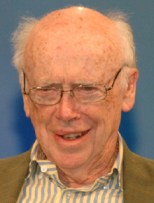
    Watson, JamesThe same, unfortunately, cannot be said for the amicus brief filed by Professor Watson (at right) in the Myriad case.  With the respect he is eminently due, the best that can be said is that he falls into many of the same legal, philosophical, and logical traps that others have on the subject (illustrating once again that genius rarely translates over distinct disciplines (Goethe and Count Rumford being exceptions) and that law, like science, can have subtleties that are not for the faint of heart or uninitiated.

    Professor Watson makes three arguments, two of which are wrong and the third fraught with difficult consequences beyond his experience.  The first argument is that human genes should not be patented because DNA is a unique molecule different from other chemicals and should be treated as such; this is a variant of Judge Sweet's view that DNA is different because it is the "physical embodiment of genetic information."  While this characterization describes a gene's significance it does not change its fundamental nature as a chemical compound under patent law.  Fortunately, Professor Watson applies his argument only to human genes, which limits its applicability and potential for legal mischief.  However, the argument is a policy one outside the scope of the judiciary's purview.  Neither the Federal Circuit nor the Supreme Court has the role of making the types of policy decisions urged by Professor Watson in his brief.  This limitation was recognized by the Chief Justice in National Federation of Independent Businesses v. Sebelius (the healthcare case), where he stated "Members of this Court are vested with the authority to interpret the law; we possess neither the expertise nor the prerogative to make policy judgments.  Those decisions are entrusted to our Nation's elected leaders, who can be thrown out of office if the people disagree with them."  If U.S. patent law is to be changed to preclude patenting of isolated DNA molecules, this is a matter for Congress.  And it must be noted that Congressman Xavier Becerra has introduced several bills to do just that, and during Congresses actively engaged in patent reform.  But these bills have gone no where; indeed, even the portion of the Leahy-Smith America Invents Act having to do with patenting inventions comprising the human body (codifying the Weldon Amendment) were introduced and passed with assurance from its sponsors that the provisions were not intended to affect patenting of human DNA.

    Professor Watson's second argument is that human genetic information should not be "controlled by legal monopolies" or the private property of any company.  Of course, a proper understanding of the matter is that human genetic information is not patented, and never has been.  All the DNA sequences in all the "gene patents" in all the world do not preclude an investigator from using the sequence information freely; indeed, insofar as the efforts of companies like Celera were actively involved in the Human Genome Project (and they were) and submitted patent applications containing human gene sequence information (and they did) these companies performed precisely the academic and scientific service Professor Watson espouses and the patent system promotes:  disclosure of the information to be used freely by others.  It is true, as Professor Watson writes, that some at the time (including Sir John Shulston and Professor Watson himself) thought patenting ill-advised.  But the inaccuracies regarding the effects of such patents evidenced by the brief and Professor Watson's apparent lack of experience with how biotechnology companies protect their intellectual property (and use it for funding) steal some of the force from these arguments.

    The brief does raise a valid issue in its final portion:  the potential for the development of a "patent thicket" of sequences that could prevent easy commercialization of genetic diagnostics.  However, as frequently happens, the timeframe for robust genetic diagnostics (the future) and the timeframe for protecting human genes with patents (the past) are subject to shorter and shorter periods of overlap, so that the patents Professor Watson decries will not be in force when the genetic technologies are commercially available.  (There may be other patent impediments to be sure, but gene patents are not one of them.)  It is also the case that prototypical patent claims for human genes are simply not infringed by the types of genetic diagnostic testing that concerns Professor Watson in his brief (see the amicus brief filed by Dr. Holman, and the amici brief by Drs. Holman and Cook-Deegan).  And the remedy the Professor recommends, compulsory licensing, is simply inconsistent with the extent of investment that has been and can be expected to be required to actually get commercial embodiment of such test to patients, which is Professor Watson's professed purpose.

    There is one portion of the brief, a footnote really, where Professor Watson sees clearly, and in a single sentence provides an apt synopsis for the sorry state of affairs that has led to this situation:

    I have also read the Supreme Court's decision in Mayo v. Prometheus, although its opaqueness must leave many attorneys wondering if it adds anything at all to the issues of whether human genes ought to be patented.

    Amen.

  • By Kevin E. Noonan —

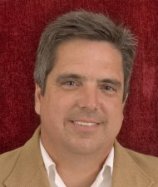
    Holman, ChrisDr. Christopher Holman, Associate Professor of Law at the University of Missouri-Kansas City, filed an amicus curiae brief in AMP v. USPTO (the Myriad case) that addresses some of the factual and scientific inaccuracies that have been rampant in commentary and advocacy of this case at both the District Court and Federal Circuit, and within at least parts of the Executive Branch.

    Dr. Holman (at right) makes three arguments:

    I.  Isolated DNA is not simply DNA that has been cleaved and extracted from native chromosomal DNA

    II.  The DNA of claims 1 and 2 of the '282 patent is not fundamentally different to an extent that would justify different patent eligibility

    III.  There are several "unfounded assumptions":

    a.  Regarding the utility of isolated genomic DNA

    b.  As to the impact of isolated DNA patents on genetic testing and whole genome sequencing (WGS)

    As an introduction, Dr. Holman discusses the "unusual posture" of the case, wherein there has been no allegation that "any particular technology infringes any of the challenged [composition of matter] claims [because, after all, the basis for standing in the case is that Myriad did threaten Dr. Harry Ostrer's former employer, New York University Medical Center, with a patent infringement lawsuit based on the method claims].  Dr. Holman reminds the Court that his own, independent research found "that no US court has addressed the question of whether an isolated DNA claim would be infringed by any form of DNA sequencing or diagnostic testing, citing his own paper in Science 322: 198-9 (2008) (see "Science Article Should Help Allay Gene Patenting Fears").  And he makes a point made previously, that "the claims [at issue] have yet to be adequately construed, and their purported preemptive effect remains entirely speculative."

    Turning to his first argument, Dr. Holman references "[s]tatements in [the Federal Circuit's now-vacated earlier decision,] Myriad I, [that] suggest that some members of th[e] Court are under the impression that the claims encompass native genomic DNA that has been simply 'cleaved' from the chromosome and 'extracted' from the cell, in a process analogous to separating cotton fiber from cottonseed, or purifying human adrenaline from human tissue."  Dr. Holman quickly disabuses any members of the Court from this notion, reminding the Court that these conceptions are mere "imagery" that "might serve as a useful metaphor."  He also reminds the Court of a useless metaphor, the Department of Justice's "magic microscope," which he rightly characterizes as "misrepresent[ing] the biology and obscure[ing] the very real distinction between the claimed DNA and native chromosomal DNA."  Contrary to these simplistic misrepresentations, Dr. Holman construes the claims properly as being limited to "synthetic DNA molecules that are structurally and functionally distinguishable from their native counterparts."

    Here, Dr. Holman makes a distinction opposite to, but in the same spirit as, Judge Sweet's attempt to separate DNA into its own category of biomolecule (albeit with much greater accuracy and less sophistry).  He ties the "fundamental[] differen[ce] between DNA and other biomolecules to their unique capacity to self-replicate.  Proteins and other biomolecules, not having any self-replicative capacity, must be separated from "other protein and cellular constituents, resulting in a purified preparation of protein molecules originating from a native source."  While this distinction is patently correct, it treads into the same dangerous waters as Judge Lourie's majority opinion in Myriad I, because in attempting to salvage patent-eligibility for DNA molecules it could lead to a determination that "merely" isolating a biomolecule is not enough (to use the Mayo v. Prometheus language) to render such other biomolecules patent eligible.  Here, Dr. Holman's brief goes on to explain the process by which a DNA molecule encoding a protein, like the BRCA1/2 molecules at issue here, is actually isolated (including the classical creation of a (entirely synthetic, man-made) genomic DNA library that is screened (again, an activity evincing the "hand of man") to identify and isolate the DNA molecule that can then be claimed.  For the uninitiated, and to illustrate how Dr. Holman eloquently explains a process that would require a description in excess of the 15-page amicus brief limit, that description is as follows:

    A biologist seeking to isolate a human genomic gene begins by extracting chromosomal DNA from a sample of human cells, and then cleaving the long chromosomal DNA strands into shorter fragments.  These DNA fragments are then inserted into DNA vectors capable of replication in a host cell.  The vectors are subsequently introduced into cells, typically bacterial or yeast, which can be grown in culture.  The cells multiply, and as they do the recombinant vector DNA, including the fragment originating from the human chromosome, is replicated.

    The resulting collection of vector-containing cells is referred to as a "genomic DNA library."  The cells comprising the library contain DNA that retains the primary sequence of genomic DNA, but the DNA molecules themselves did not originate in the human chromosome, but instead were synthesized as copies outside the body.  Single cells can be isolated from this mixture, and used to create a culture of cells that all comprise the same fragment of genomic DNA.  To isolate a gene of interest, a biologist screens the library to identify and isolate a pure cell culture that comprises a DNA fragment that includes the gene.

    Once the DNA sequence of a gene has been determined, there is generally little reason to go back and repeat this process, since the sequence information of the DNA can be used to synthesize further copies by more convenient means.  For example, as described in a brief I submitted in the first iteration of this case, conventional BRCA genetic testing involves using techniques such as PCR to amplify DNA molecules representing fragments of a patient's full-length BRCA gene.  Brief of Amici Curiae Christopher M. Holman and Robert Cook-Deegan in Support of Neither Party, 2010 WL 4853323,*16.  In short, genetic testing does not involve cleaving the BRCA gene out of a native chromosome, but rather synthetic copies produced outside the body.

    Dr. Holman then explains the relevance of this disquisition to the case at hand:  the isolation of the BRCA1 gene as described in U.S. Patent No. 5,747,282 (the '282 patent" employs the general methodologies described above," citing the appropriate portions of the '282 specification).  The process that was the focus of the inapt analogies by Plaintiffs and certain amici, isolating chromosomal DNA from a cell and cleaving that DNA into fragments, certainly occurred, Dr. Holman states, but "these are merely intermediate steps in the preparation of the genomic DNA library, from which the genes were actually isolated," and reminding the Court that said isolated and fragmented DNA preparation "would not [itself] fall within a reasonable construction of the claims."  In this he refutes the scientifically challenged argument that a "literal" reading of the claims would include such a fragmented chromosomal preparation (because it would "inherently include a BRCA gene") by reminding the Court that such an interpretation of the claim would clearly encompass the prior art.

    Dr. Holman then cites additional distinctions between native DNA and the DNA as claimed:  that the isolated DNA has "distinct functional and structural characteristics," including epigenetics (such as DNA methylation) which is lost when DNA is isolated.

    In his second argument, Dr. Holman challenges the government's argument that isolated genomic DNA and cDNA are "so fundamentally different . . . that the two forms of DNA should be treated differently for purposes of patent eligibility" as well as the appearance that members of the Court "have to some extent accepted this argument."  Dr. Holman states that the methods used to produce cDNA are "entirely analogous" to the methods he describes earlier in the brief for producing genomic DNA, and then once again explains for the Court how that is done:

    As a first step, messenger RNA (mRNA) is extracted from human cells.  This collection of mRNA molecules will comprise many different sequences, generally representing all of the proteins that are being expressed by the cells.  The extracted mRNA is analogous to the extracted genomic DNA described above.  mRNA is structurally very similar to DNA, and contains the sequence information of the gene.  However, mRNA is a single-stranded molecule that cannot self-replicate like DNA and is less chemically stable.

    To address these issues, scientists use the extracted mRNA molecules as templates to synthesize double-stranded cDNA molecules retaining the sequence information of mRNA, but which are more stable and can self-replicate.  These double-stranded cDNA molecules are inserted into vectors which are then introduced into cells, resulting in a cDNA library entirely analogous to a genomic DNA library as described above.  This library can be screened to isolate a cDNA corresponding to a gene of interest, e.g., a cDNA encoding a BRCA protein.

    Significantly, the resulting isolated cDNA is entirely analogous to the claimed isolated genomic DNA.  In both cases the DNA did not actually originate in the cell, but it retains the informational content of a native polynucleotide sequence.  In the case of cDNA, the sequence of an mRNA molecule, and in the case of isolated genomic DNA, the sequence of genomic DNA.

    While correct, it must be recognized that this explanation could just as easily be used as the basis for denying patent eligibility to cDNA as well as genomic DNA to those focused on the information content and blind to the chemical properties and characteristics Dr. Holman takes such pains to clearly explain.  This risk is exacerbated by Dr. Holman's argument that "a cDNA is nothing more than a rote copy of a naturally occurring mRNA molecule.  The 'engineering' to exclude introns and other regulatory regions is accomplished entirely within the cell, by natural processes, without any human intervention."  And in correcting some of the factually incorrect statements by Judge Moore in her concurring opinion (and taking several paragraphs of his limited space in the brief to explicate these errors), scientific correctness may have trumped effective advocacy.

    Dr. Holman then discusses the "unfounded assumptions" that underlie the grounds in Myriad I for finding that the claimed DNA "had markedly different utility than its naturally occurring counterpart."  Here he again corrects Judge Moore's statements regarding the utility of isolated DNA for use as primers and probes, correctly stating that "the single most important category of biotechnology products" have been therapeutic proteins like erythropoietin and insulin, which required isolation of the human gene encoding them to enable production of sufficient quantities (using recombinant DNA technology) to be useful as the first biologic drugs.  However, Dr. Holman is entirely correct when he states that "[i]t would be unwise for the court to dismiss this important use of isolated DNA as insufficient to warrant patent eligibility, particularly when the parties who would most affected by this, biotechnology companies that produce biotech drugs (as well as patients that might benefit) are not parties to the litigation" (ironically, the BRCA-encoding DNA does not appear to have any such commercial utility).  In a further irony, Dr. Holman also corrects Judge Bryson's apprehension of the distinction between genomic and cDNA, that the latter can be "attached to a promoter and inserted into a non-human cell to drive protein expression," on the grounds that genomic DNA has the same utility (provided that the protein is made in a eukaryotic cell).

    Finally, Dr. Holman discussed other "unfounded assumptions" relating to the impact of "gene patents" on genetic diagnostic testing and whole genome sequencing, focusing on the concerns in this regard contained in Judge Bryson's dissenting opinion in Myriad I.  Citing Judge Rich that "the name of the game is the claim," Dr. Holman challenges those "many critics of gene patents [who] incorrectly assume that any patent claim that recites a gene sequence necessarily forecloses any research or diagnosis relating to that gene."  Citing his earlier amicus brief with Dr. Robert Cook-Deegan, he again asserts that "there is no basis for assuming that all forms of DNA sequencing, especially next-generation single molecule methods, would necessarily entail the production of isolated DNA falling within the scope of the properly construed claims" and that "[c]laims reciting the full-length gene would not be infringed by conventional BRCA testing, for example, which is based on the amplification and analysis of fragments of the gene."  He concedes that the fragment claims are less certain in this regard, but reminds the Court that these claims may be invalid on other grounds (see "Caught in a Time Warp: The (In)validity of BRCA1 Oligonucleotide Claims").  He also challenges the assumption that progress in genetic testing will be impeded by "thousands of gene patents," citing his study (Holman, "Debunking the Myth That Whole Genome Sequencing Infringes Thousands of Gene Patents," 30 Nature Biotechnology 240 (2012)) debunking the oft-repeated and "widespread perception that 20% of human genes are patented," calling this "a myth based upon the misreading of a single 'Policy Perspective' article published in Science."

    Dr. Holman's brief concludes with a most succinct and eloquent description of what is at stake in this case:

    A determination by this court that any of the challenged isolated DNA claims is patent ineligible could cause serious unintended collateral damage to biotechnology, and should not be made cavalierly based on an overly simplistic and imprecise interpretation of the claims and speculation as to their potential preemptive effect.

    For additional information regarding this topic, please see:

    • "U.S. Government: Mayo Decision Supports Prior Argument That Isolated Genomic DNA Is Not Patent Eligible," July 10, 2012
    • "IPO Amicus Brief Argues for Patent Eligibility of Myriad's Isolated DNA Claims and Method Claim 20," July 9, 2012
    • "Eli Lilly & Co. File Amicus Brief in AMP v. Myriad," June 27, 2012
    • "Parties and Amici File Briefs in Myriad Case," June 17, 2012

  • Valeant International (Barbados) SRL v. Watson Pharmaceuticals, Inc.

    By Andrew Williams —

    Valeant Pharmaceuticals InternationalOn Monday, the Southern District of Florida denied Valeant International (Barbados) SRL's motion for a permanent injunction to prevent Watson Pharmaceuticals, Inc. from commercially manufacturing or selling its generic version of Aplenzin® (see Order Denying Motion for Injunctive Relief).  Valeant had been successful in the District Court in fending off Watson's validity challenges of four Orange Book-listed patents related to bupropion hydrobromide, the active ingredient of Aplenzin®, after Watson had filed its ANDA and conceded infringement in the subsequently filed 35 U.S.C. § 271(e)(2) action.  After final judgment was entered, Valeant filed a motion to amend the judgment to, among other things, enjoin Watson from any commercial activity before the expiration of the patents.  The Court found that Valeant had not met the standard for injunctive relief because it didn't establish irreparable harm, and injunctive relief would be unnecessary (because the entered judgment prohibits Watson from marketing its generic version prior to the expiration of the patents).

    Watson PharmaceuticalsTo understand Valeant's motion, it is important to note that in addition to allowing a court to delay the approval of a generic drug until the date of expiration of any infringed patent, the Hatch-Waxman statute also provides that injunctive relief may be granted.  See 35 U.S.C. § 271(e)(4)(B).  The Court's order in this case does not explain why Valeant was seeking a permanent injunction, but it did point out that violation of an injunction can result in contempt proceedings against the infringer.  The standard for injunctive relief in a patent case was established by the Supreme Court in eBay, Inc. v. MercExchange, LLC, 547 U.S. 388 (2006):

    A plaintiff must demonstrate: (1) that it has suffered irreparable injury; (2) that remedies available at law, such as monetary damages, are inadequate to compensate for that injury; (3) that, considering the balance of hardships between the plaintiff and defendant, a remedy in equity is warranted; and (4) that the public interest would not be disserved by a permanent injunction.

    Id. at 391.  Valeant argued that all Hatch-Waxman cases involve direct competition that attempt to take market share from the NDA holder, which always results in irreparable harm.  However, the Court noted that the Federal Circuit has repeatedly required that such evidence to be presented before an injunction can issue, including pharmaceutical cases, citing Abbott v. Labs. v. Andrx Pharms., Inc., 452 F.3d 1331 (Fed. Cir. 2006).  The Abbott case did indicate that generic competition "alone does not establish that [the patent holder's] harm will be irreparable, id. at 1348, but Abbott was seeking a preliminary injunction and was more importantly unable to show a likelihood of success on the merits sufficient to meet that prong of the analysis.  Nevertheless, the important point that the District Court took from the Abbott case was that the insufficiency of monetary damages needs to be established.  It is not clear whether Valeant presented any such evidence.

    Moreover, the Court pointed out that even if there was evidence of irreparable harm, Valeant still did not meet the standard for injunctive relief, because the entered judgment prevents Watson from marketing its generic bupropion hydrobromide before the expiration of the patents at issue, and thus Watson is prevented from competing directly with Valeant.  This is true, however, in every 271(e)(2) action, and yet Congress provided for injunctive relief.  It is possible that the District Court could have been persuaded by the procedural posture of this case, and that if Valeant were not seeking an amendment to the final judgment, the outcome may have been different.  Or the Court could have been making clear that, after eBay, if you want injunctive relief, you better provide evidence to support it.  Finally, the Court did note that if Watson violated the final judgment, another case could be filed in the Southern District of Florida (which presumably would satisfy any concern over the inability to seek sanctions).

    Importantly, the Court relied on the Delaware case of Alcon, Inc. v. TEVA Pharms. USA, Inc. (D. Del. Aug. 5 2010) in reaching its decision.  In that case, the court also denied Alcon's request for a permanent injunction because, in part, it failed to prove that it had suffered irreparable harm.  Alcon had argued that any deprivation of its right to exclude other constitutes irreparable harm.  However, similar to the present case, the Delaware court found that because Teva would be unable to market its generic product before the expiration of the product, it was necessarily prevented from "usurping any market share or goodwill from Alcon."

  • By Donald Zuhn —

    Department of Justice (DOJ) SealIn its amicus brief filed in Association for Molecular Pathology v. U.S. Patent and Trademark Office ("Myriad"), the United States focuses solely on applicability of the Supreme Court's decision in Mayo Collaborative Services v. Prometheus Laboratories, Inc. on the patent eligibility of isolated genomic DNA.  The U.S. brief takes no position with respect to the impact of Mayo on Myriad's method claims (in particular, claim 20 of U.S. Patent No. 5,747,282), and concedes that "man-made complementary DNA molecules (cDNA) — which comprise nucleotide sequences that do not exist in nature — are patent-eligible subject matter under 35 U.S.C. § 101."

    The brief notes, however, that "[a]s the United States explained in its original amicus brief, unlike cDNA, isolated but otherwise unmodified DNA molecules are not patent-eligible because they are 'products of nature,' not 'human-made inventions.'"  According to the U.S. brief, the Supreme Court's guidance in Mayo that "[p]atent protection is not available to those who simply discover existing aspects of nature, even if the discovery requires arduous work, represents keen scientific insight, and is of great value to society," simply "reinforces the conclusion that Myriad cannot patent DNA it discovered in and isolated from nature."

    The brief characterizes the "principal issue" on appeal as being "whether composition claims for isolated genomic DNA are directed to patent-eligible subject matter," or worded another way, as "whether such claims are impermissible attempts to patent products of nature."  Citing Diamond v. Chakrabarty, the U.S. brief contends that "[t]o be eligible for a patent, a claimed composition must be 'human-made' and 'markedly different' from a naturally occurring substance."  The brief points out that the last time the Federal Circuit decided this case, "[t]he members of this panel agreed on that basic proposition," but "disagreed about whether distinctions between isolated and genomic DNA are significant enough to render isolated DNA 'markedly different' for § 101 purposes."

    According to the U.S. brief:

    The Supreme Court's decision in Mayo provides guidance regarding that question.  To be sure, that guidance is indirect.  Mayo involves process, not composition, claims, and the Court's analysis focuses on the standards for determining whether a claimed process effectively claims a law of nature.  Thus, Mayo does not directly address the criteria to be used in deciding the parameters of the product-of-nature exception, and every nuance of the Court's analysis may not mechanically extend to products of nature.  Nevertheless, in at least one respect, Mayo provides an important point of reference for deciding whether a claimed composition and a naturally occurring substance are "markedly different" for purposes of § 101.

    In analyzing the claimed methods in Mayo, the Supreme Court repeatedly emphasized the need to ensure that claims not "tie up" laws of nature by preventing the public from exploring and exploiting those laws.

    For the U.S government, "[t]he concerns implicated by patent claims that 't[ie] up the use of the underlying natural laws,' and thereby 'inhibit[] their use in the making of further discoveries,' may also be present when a patent contains a composition claim that relates to a product of nature."  The brief notes that "Mayo suggests that a court should ask whether a patent on the claimed composition has the practical effect of preempting the public's ability to use the product of nature itself."  The brief explains, therefore, that the genetically altered bacterium in Chakrabarty constituted patent eligible subject matter because it "would not have interfered with the public's ability to investigate or further modify the original bacterium or to experiment on the DNA plasmids that the patentee inserted into it to create the 'new bacterium.'"  "Similarly," the brief indicates, "cDNA molecules, which must be synthesized by scientists in the laboratory, are not created in the process of studying native DNA and pose little risk of preempting study of naturally occurring DNA."  The U.S, argues, however, that "patents on isolated but otherwise unmodified DNA would significantly impair the public's ability to study and make use of genomic DNA."

    As for "Chakranbarty's 'markedly different' rubric," the brief disagrees with how the panel applied that standard in its first opinion, arguing that "[i]n light of Mayo, this Court should not rest patent-eligibility on the bare fact that isolating genes or gene segments involves the breaking of chemical bonds, or on the fact that scientists can use small gene segments to exploit the inherent chemical properties of DNA in ways that cannot be done with complete genes," and instead should ask "whether the differences identified in the original panel decision are sufficient to leave the public free to study and exploit the native BRCA1 and BRCA2 genes."

    The U.S. brief concludes by briefly noting that the Supreme Court's refusal in Mayo to determine whether it was desirable to increase protection for discoveries concerning diagnostic laws of nature further illuminates the § 101 analysis.  The brief suggests that "[i]n this case, Myriad has argued that the extension of patent protection to isolated DNA is necessary in order to preserve financial incentives for making DNA discoveries."  The brief argues, however, that "Mayo strongly suggests that the judicial inquiry should not focus on industry-specific incentive arguments of this sort, pro or con, and instead should focus on 'established general legal rules.'"

    For additional information regarding this topic, please see:

    • "IPO Amicus Brief Argues for Patent Eligibility of Myriad's Isolated DNA Claims and Method Claim 20," July 9, 2012
    • "Eli Lilly & Co. File Amicus Brief in AMP v. Myriad," June 27, 2012
    • "Parties and Amici File Briefs in Myriad Case," June 17, 2012

  • By Donald Zuhn —

    IPO #2With oral argument in Association for Molecular Pathology v. U.S. Patent and Trademark Office ("Myriad") less than two weeks away, Patent Docs continues its examination of some of the twenty-three amicus briefs that have been filed in this case.  Today, we look at the amicus brief filed by the Intellectual Property Owners Association (IPO).  (For the sake of full disclosure, the IPO brief was co-authored by Patent Docs author Kevin Noonan.)

    The IPO brief makes three arguments.  First, the brief argues that claims to isolated DNA molecules constitute patent eligible subject matter under 35 U.S.C. § 101; second, the brief contends that method claim 20 is patent eligible under § 101; and third, the brief asserts that a ban on the patenting of isolated DNA molecules and gene-based diagnostic screening methods would negatively impact innovation.

    With respect to the first argument, the brief begins by pointing out that Supreme Court precedent supports the patent eligibility of isolated DNA, noting that:

    The Supreme Court in [Diamond v.] Chakrabarty found no constitutional, philosophical, or jurisprudential infirmities in the choice by Congress to define patent eligible subject matter broadly.  Indeed, the Court cited Thomas Jefferson for the proposition that the patent laws should be broadly construed with regard to what is patent eligible, referencing the first Patent Act of 1793 and Jefferson’s exhortation that "ingenuity should receive a liberal encouragement."  Id. (quoting 5 Writings of Thomas Jefferson 75-76 (Washington ed. 1871)) (citing Act of Feb. 21, 1793, § 1, 1 Stat. 319).

    While acknowledging that "[t]he Court recognized that the scope of patent-eligible subject matter was not infinite," the brief notes that "the Court was parsimonious in setting forth what was not patent eligible: 'laws of nature, physical phenomena, and abstract ideas.'"  According to the brief:

    The Court fashioned a straightforward test of whether a manufacture or composition of matter was patent eligible:  it must demonstrate the "hand of man," something that is "a product of human ingenuity 'having a distinctive name, character [and] use.'"  Id. at 309–10 (quoting Hartranft v. Wiegmann, 121 U.S. 609, 615 (1887)).

    Asserting that "any manufacture or composition of matter evincing the 'hand of man' should be patent eligible," the brief argues that isolated human DNA is patent eligible because it evinces the hand of man.  In particular, the brief explains that:

    Isolated human cDNA is a manufacture under the Patent Act because it is made by enzymatically-generating copies of cellular messenger RNA (mRNA).  In manufacturing isolated DNA, an inventor must identify a cell that expresses a gene, isolate the mRNA and enzymatically convert the mRNA into DNA.  The enzymatic conversion is performed by a viral enzyme called reverse transcriptase that is absent from cells that have not been intentionally infected by a virus that produces the enzyme.  Significantly, cDNA copies of mRNAs encoding isolated human DNA do not exist without human intervention.

    The brief also argues that "[a]s a consequence of the intervention of the 'hand of man' in isolating the claimed DNA, the manufactured DNA has uses not shared with naturally occurring DNA (for example, as genetic probes and for producing useful quantities of proteins encoded by the DNA)," and therefore contends that the "claimed DNA . . . becomes 'a product of human ingenuity 'having a distinctive name, character [and] use.'"

    The IPO brief also points out that the Supreme Court did not overrule Chakrabarty in Mayo Collaborative Services v. Prometheus Laboratories, Inc., but rather cited that case with approval.  In addition, the brief notes that among the concerns cited by the Mayo Court was that certain claims might inhibit future innovation.  The brief counters that:

    These concerns do not apply to Myriad's DNA claims because the information content of DNA is not patented.  Myriad's claims are limited to chemical compounds, the isolated DNA molecules themselves.  The genetic information contained within naturally occurring DNA — the sequence of the A, T, C, and G nucleotides — does not fall within the scope of these claims.

    Moreover, the IPO brief argues that "Myriad's DNA claims have not had any negative effects on technological development, another concern of the Supreme Court in Mayo," noting that "a cursory scan of the medical and scientific literature reveals more than eight thousand articles and reports regarding human BRCA 1 and BRCA 2 genes since the patents-in-suit were granted."

    With respect to Myriad's method claim 20, the IPO brief argues that this claim is "directly analogous" to the method claim that was upheld by the Supreme Court in Diamond v. Diehr.  In particular, the brief contends that "[w]hen considered as a whole, claim 20 should be patent eligible because it is directed to a specific drug screening process that employs an altered form of the BRCA1 gene and does not preempt other uses of the naturally occurring BRCA1 gene."

    The IPO brief concludes by asserting that a ban on the patenting of isolated DNA molecules and gene-based diagnostic screening methods would negatively impact innovation.  The brief argues that "[i]f the possibility of patent protection is removed, innovation in genetic-based diagnostics would be harmed," suggesting that "[t]here would be no incentive (indeed, there would be strong disincentives) to disclose the genetic basis of complex diagnostic assays."  The brief also predicts that:

    [T]he impact of affirming the district court's decision is not limited to isolated human DNA or medical and pharmaceutical applications thereof.  Many other fields, including industrial biotechnologies involving alternative fuels, industrial biochemicals, and genetically modified foods, would be harmed because these industries have depended for decades on patent protection for isolated DNA inventions from non-human organisms.

    Patent Docs will examine other amicus briefs as the date of oral argument in Myriad approaches.  In addition, we will be updating our list of briefs filed in the case later this week.

    For additional information regarding this topic, please see:

    • "Eli Lilly & Co. File Amicus Brief in AMP v. Myriad," June 27, 2012
    • "Parties and Amici File Briefs in Myriad Case," June 17, 2012