• By Kevin E. Noonan

    Federal Circuit SealSometimes important contributions to innovation can come from the mundane rather than the extraordinary.  One (perhaps apocryphal) example comes from the story of the early development of television by Philo Farnsworth (the story, but not the apocrypha, is set forth in Evan Schwartz's book The Last Lone Inventor).  In this aspect of the tale, Farnsworth's brother-in-law, wanting to help but knowing nothing about electronics, learned to blow glass television tubes which he realized were necessary components of Farnsworth's invention.  This story comes to mind in a recent nonprecedential Federal Circuit decision regarding methods for isolating DNA from biological samples (such as sputum), found not to be infringed in DNA Genotek Inc. v. Spectrum Solutions LLC.

    The case arose over U.S. Patent No. 10,619,187 that claimed a device for "preserving nucleic acids at room temperature for extended periods of time and for simplifying the isolation of nucleic acids" according to the opinion.  Claim 1 is set forth in the opinion as being representative:

    A device for receiving and preserving nucleic acid in a biological sample, said device comprising:
        one or more walls defining a containment vessel having a top having an opening, and a closed bottom having a sample receiving area for holding said biological sample, said opening for receiving a liquid sample and for sealably receiving a sealing cap, said top having an opening for receiving a biological sample from the mouth of a user and further comprising at least one marking on said one or more walls which corresponds to a fluid volume in the sample receiving area;
        a reagent compartment having a barrier, said barrier sealing and containing reagents in said reagent compartment and capable of disestablishment to release said reagents into the sample receiving area;
        reagents in the reagent compartment for preserving nucleic acids potentially present in the sample wherein said reagents comprise a denaturing agent, a chelator and a buffer agent; and,
        the sealing cap, whereby the device is configured such that, when sealably closing said opening with said sealing cap, the barrier mechanically disestablishes to release said reagents to form a mixture of reagents and said biological sample wherein said buffering agent maintains a pH of said mixture equal to or above 5.0 to preserve nucleic acids potentially present in the sample.

    As explained in the opinion, the device contains a first region for collecting a biological sample and a second region containing reagents for preserving the nucleic acid in the sample, with a barrier between the two regions; the device further comprises means for "disturbing the integrity" of the barrier so that the reagents in the second region and the biological sample is mixed.  Said second region also contains reagents for disrupting cells in the sample, "liberating" nucleic acids, solubilizing the lipid components, stripping [proteins] from DNA and digesting proteins therein," wherein the liberated nucleic acid is stably preserved at room temperature for later analysis.  Benefits of the claimed devices and methods for using them include eliminating the need for refrigeration between biological source and clinical or analytical laboratories.

    Genotek sued Spectrum for infringement by the latter company's SDNA home saliva-collection kit for providing COVID-19 PCR testing.  The District Court granted Spectrum summary judgment of non-infringement based, according to the opinion, on construction of the term "reagent compartment."  This appeal followed.

    The Federal Circuit affirmed, in an opinion by Judge Rodney Gillstrap,* sitting by designation, joined by Judges Lourie and Hughes.  The opinion focused on the District Court's construction of the term "reagent compartment" to mean "a region or section of the containment vessel" and that the '187 patent specification provided "clear guidance" regarding the location of that compartment in the device.  Specifically, the District Court construed the location of the reagent compartment to be within the containment vessel of the device.  This construction was supported by the prosecution history and the record of an inter partes review (IPR) proceeding in which the '187 patent was involved, according to the opinion.  In particular, the District Court held and the Federal Circuit affirmed that Genotek had intentionally deleted "any explicit disclosure of the reagent compartment being in the cap/lid," which evinced "a clear intent to limit the final scope of the invention to a device with the reagent compartment in the containment vessel."

    Genotek argued on appeal that the District Court erred in its construction by importing limitations from the specification into the claims and that the plain language of the claims contained no limits on the location of the reagent compartment.  The Federal Circuit disagreed, citing several portions of the specification that consistently supported the District Court's construction and that these portions described the invention "as a whole" and not merely preferred embodiments, citing Regents of Univ. of Minnesota v. AGA Med. Corp., 717 F.3d 929, 936 (Fed. Cir. 2013), for the principle that "[w]hen a patent thus describes the features of the 'present invention' as a whole, this description limits the scope of the invention."

    Equally unavailing was Genotek's argument that a provisional application from which the '187 patent claimed priority (and which was incorporated by reference) disclosed an embodiment where the reagent compartment was in the cap.  The panel found support in the prosecution history for the District Court's construction excluding the cap location for the reagent compartment.  According to the opinion, "[w]hen Genotek filed its non-provisional application, it intentionally deleted all references to that embodiment and included only embodiments with the reagent compartment in the container."  Such deletions have been held to "contribute[ to] understanding . . . the intended scope of the final application," citing MPHJ Tech. Invs., LLC v. Ricoh Ams. Corp., 847 F.3d 1363, 1369 (Fed. Cir. 2017), and thus the Federal Circuit agreed with the District Court that the properly construed claims of the '187 patent did not include embodiments where the reagent compartment was in the cap or lid.

    Finally, Genotek objected to the District Court relying on distinctions between the device claimed in the '187 patent and prior art patents having a reagent compartment in the lid on the grounds that those statements were made with regard to preferred embodiments of the invention claimed in the '187 patent and not the invention as described a whole.  The panel noted that these statements were not dispositive but also understood the District Court's consideration of them as permissively "informing the district court's construction" of the claims to the device.

    On these bases, the Federal Circuit affirmed the District Court's grant of summary judgment for Spectrum that their SDNA devices did not infringe the asserted claims of the '187 patent.

    *Chief Judge of the U.S. District Court for the Eastern District of Texas.

    DNA Genotek Inc. v. Spectrum Solutions LLC (Fed. Cir. 2025)
    Nonprecedential disposition
    Panel: Circuit Judges Lourie and Hughes, and Chief District Judge Gilstrap
    Opinion by Chief District Judge Gilstrap

  • By Kevin E. Noonan

    Federal Circuit SealCompleting a recent jurisprudential "hat trick,"* the Federal Circuit affirmed a District Court grant of a preliminary injunction against a biosimilar applicant for Regeneron's EYLEA biologic drug in Regeneron Pharmaceuticals, Inc. v. Mylan Pharmaceuticals Inc.

    As in the earlier appeals, the injunction was based on infringement by Celltrion's EYLEA biosimilar (designated CT-P42) of U.S. Patent No. 11,084,865 and the appeal limited to the propriety of the District Court granting a preliminary injunction (PI) to Regeneron (as well as some jurisdictional issues).  The opinion dealt summarily with those issues resolved in the earlier appeals, including whether the District of West Virginia could exercise jurisdiction against Celltrion, a Korean company.  Based on the Court's earlier decisions, in this opinion the panel held that Defendant-Appellant Celltrion had sufficient minimum contacts with the West Virginia forum to satisfy the jurisdictional standard in the Fourth Circuit.  The opinion also set forth the Court's determination that Regeneron satisfied its burden for being granted a PI, specifically that "(1) it is likely to succeed on the merits, (2) it is likely to suffer irreparable harm in the absence of preliminary relief, (3) the balance of equities tips in [its] favor, and (4) an injunction is in the public interest," citing BlephEx, LLC v. Myco Indus., Inc., 24 F.4th 1391, 1398 (Fed. Cir. 2022).  Once again, the panel held that questions of the nexus between Celltrion's sales of its EYLEA biosimilar and irreparable harm to Regeneron had been established in the earlier appeals and applied here.

    The only issue recognized by the Federal Circuit to be before it in this appeal was whether Celltrion had raised a "substantial question of invalidity" against Regeneron's '865 patent, specifically on obviousness-type double patenting (ODP) grounds.  This challenge was based on Claim 5 of an earlier-issued Regeneron patent, U.S. Patent No. 9,340,594:

    5.  [A pre-filled syringe suitable for intravitreal administration comprising a 1 mL luer glass syringe fitted with a plunger and a stable ophthalmic formulation of a vascular endothelial growth factor (VEGF) trap, which consists of (i) a receptor component consisting essentially of an immunoglobulin-like domain 2 of a first VEGF receptor and an immunoglobulin-like domain 3 of a second VEGF receptor, and (ii) a multimerizing component, wherein the stable ophthalmic formulation comprises:
        (a) 1-100 mg/ml a VEGF antagonist;
        
    (b) 0.01-5% of one or more organic co-solvent;
        
    (c) 5-40 mM of buffer; and
        
    (d) optionally comprising 1.0-7.5% of a stabilizing agent[,
        wherein the first VEGF receptor is Flt1, and the second VEGF receptor is Flk1 or Flt4, wherein the VEGF trap is stable for at least 4 months, and] wherein the VEGF trap consists of amino acids 27-457 of SEQ ID NO:4, wherein the stable ophthalmic formulation comprises 40 mg/mL of the VEGF trap, 10 mM phosphate, 40 mM NaCI, 0.03% polysorbate 20, 5% sucrose, at pH 6.2-6.4,

    Wherein the italicized limitations were recited in independent claim 1 and intermediate dependent claims 2 through 4.

    The District Court had held that the patentable distinctions between this claim and the claims of the '865 patent included "(1) the stability requirement that 'at least 98% of the VEGF antagonist is present in native conformation following storage at 5° C. for two months as measured by size exclusion chromatography'; (2) the requirement that aflibercept [the EYLEA active ingredient] is glycosylated; and (3) the use of a vial versus a pre-filled syringe."  The panel set forth in the opinion the specific distinctions between claim 5 and claim 4 of the '865 patent to be that claim 5 requires stability of the VEGF trap to be maintained for "at least 4 months," whereas claim 4 of the '865 patent recites that "at least 98% of the VEGF antagonist is present in native conformation following storage at 5° C. for two months as measured by size exclusion chromatography."  The District Court concluded (and the Federal Circuit agreed) that the 98% limitation was "neither inherent nor obvious" in what was claimed in claim 5 of the '594 patent.  Celltrion's specific challenges to this determination were the District Court's claim construction of the term "stable," wherein the District Court did not construe the term to mean the specific requirement recited in claim 4 of the '865 patent, instead holding that the term "stable" had "a broader meaning than the particular SEC measurements of aggregation and threshold levels (98%) to which Celltrion attempts to limit the term."  The District Court rejected Celltrion's assertions that such stability was sparsely reported in the '594 specification, finding "numerous descriptions of stability beyond simply 98% native conformation as measured by SEC."  The Federal Circuit agreed with the District Court's construction of the term "stable" and accordingly rejected Celltrion's argument that claim 5 of the '594 patent "expressly anticipates the stability limitations in the asserted claims [of the '865 patent]."

    Celltrion's second challenge was that the "98% native conformation claim limitation" in claim 4 of the '865 patent was inherent in the stability limitation recited in claim 5 of the '594 patent.  According to the District Court:

    Celltrion's reliance on the native conformation data in Examples 3 and 4 [of the '594 patent] is legally inadequate to prove inherency.  That the practice of '594 claim 5 sometimes results in 98% native conformation is insufficient; inherency requires that the 98% native conformation limitation be present necessarily, not just possibly or probably [emphasis in original].

    The Federal Circuit rejected as a contradiction of the plain meaning of the claims Celltrion's arguments that the skilled artisan would have interpreted the stability limitations of "at least 98% [to] define[] a rate of aggregation over a particular time, under particular conditions" because the claim recites that the 98% of the VEGF antagonist be "present in native conformation following storage . . . for two months" which in no way implicates calculation of a rate of aggregation as argued by Celltrion.

    Third, the panel rejected Celltrion's argument of error by the District Court in deciding that the 98% native conformation limitation was not obvious, which was based on expert testimony.

    Finally, the Court briefly turned to Celltrion's arguments regarding the glycosylation limitations, which the District Court had rejected based on the extent of glycosylation of aflibercept.  Celltrion argued that claim 5 of the '594 patent anticipated the asserted claims of the '865 patent because it covers "a genus with only two species – glycosylated and non-glycosylated."  The District Court held that, in view of the "five distinct glycosylation sites," "there are at least thirty possible glycosylated forms of aflibercept . . . in addition to the nonglycosylated form."  In view of the Court's determination that "one patentably distinct limitation [i.e., the stability limitation] is enough" to support the District Court's rejection of Celltrion's assertion of invalidity for ODP, and Celltrion's opportunity to pursue this invalidity argument at trial, the Court held that there was no need to address the issue here and affirmed the District Court's determination that Celltrion had not rebutted Regeneron's evidence of there being a likelihood of success on the merits to support its motion for a preliminary injunction.

    Trial against this defendant, and the remaining defendants** is ongoing.

    * See "Regeneron Pharmaceuticals, Inc. v. Mylan Pharmaceuticals Inc. (Fed. Cir. 2025)" and "Regeneron Pharmaceuticals, Inc  v. Formycon AG"
    ** In addition to Mylan Pharmaceuticals Inc. and Formycon AG these include Amgen USA, Biocon Biologic Inc., Samsung Bioepsis Co. Ltd, and Amgen Inc.

    Regeneron Pharmaceuticals, Inc. v. Mylan Pharmaceuticals Inc. (Fed. Cir. 2025)
    Nonprecedential disposition
    Panel: Circuit Judges Prost, Wallach, and Chen
    Opinion by Circuit Judge Prost


  • By Donald Zuhn –-

    SARS-CoV-2On March 11, 2020, World Health Organization Director-General Tedros Adhanom declared that the COVID-19 outbreak "can be characterized as a pandemic," and cautioned that the WHO has "rung the alarm bell loud and clear."  At the time of the announcement, the WHO noted that there were 118,000 cases reported globally in 114 countries.  As of February 13, 2025, when it issued its most recent report, WHO reported 777,291,317 cases globally, regrettably resulting in 7,083,769 deaths.  When the Director-General declared that the COVID-19 outbreak had become a pandemic, he noted that "[t]his is not just a public health crisis, it is a crisis that will touch every sector — so every sector and every individual must be involved in the fight."  The WHO, which declared the COVID-19 outbreak a public health emergency of international concern (PHEIC) on January 30, 2020, ended the PHEIC on May 5, 2023; whether the outbreak remains a pandemic is the subject of some debate.  According to the Wikipedia page on the COVID-19 pandemic, it ranks as the fifth-deadliest pandemic or epidemic in history.

    The COVID-19 pandemic had a profound impact on patent practice, as it had for nearly every single industry.  The pandemic changed how most of us work, where most of us work, and what many of us work on.  Two years after the pandemic was declared, the Pharmaceutical Research and Manufacturers of America (PhRMA) noted that "[p]erhaps more than any other time in history, society is seeing and benefiting from the innovation supported by intellectual property."  For example, the U.S. Food and Drug Administration granted an Emergency Use Authorization (EUA) for Gilead Sciences' remdesivir 123 days after the virus was first detected in a patient sample, granted an EUA for convalescent plasma 237 days after the virus was first detected, granted an EUA for Eli Lilly's antibody treatment 315 days after the virus was first detected, granted an EUA for the Pfizer-BioNTech vaccine 347 days after the virus was first detected (and then followed with two more EUAs for Moderna's vaccine and Johnson & Johnson's vaccine), and approved Pfizer's antiviral PAXLOVID 723 days after the virus was first detected.

    Five years after the WHO declared that the COVID-19 outbreak had become a pandemic, its effects on the global economy and global politics are still being felt.

    Additional information regarding the COVID-19 pandemic that has appeared on Patent Docs can be found here:

    • "International Trade Commission Issues Report of COVID-19 IP Waiver," November 8, 2023
    • ""Zero Draft" of WHO CA+ Released," February 7, 2023
    • "WTO TRIPS Council Recommends That General Council Extend Waiver Deadline," December 18, 2022
    • "Nine Countries Seek Extension of WTO Waiver to COVID-19 Therapeutics and Diagnostics," December 11, 2022
    • "Status of Proposed Extension of TRIPS Waiver in WTO," December 8, 2022
    • "C4IP Presents Webinar on COVID Waiver Extension," December 5, 2022
    • "Moderna Sues Pfizer and BioNTech over mRNA Vaccine Technology," August 31, 2022
    • "U.S. Trade Representative Releases 2022 Special 301 Report," April 28, 2022
    • "U.S. Chamber of Commerce Supports House and Senate Legislation Prohibiting Biden Administration from Negotiating Modifications to WTO TRIPS Agreement Without Congressional Authorization," April 24, 2022
    • "Senators Send Letter to Commerce Secretary Regarding WTO Waiver Compromise," March 28, 2022
    • "The Proposed WTO IP Waiver: Just What Good Can It Do? — An Analysis," March 24, 2022
    • "IP Associations "Concerned" by Reports of TRIPS Waiver Compromise," March 24, 2022
    • "More on Leaked WTO COVID-19 Vaccine Patent Waiver Compromise," March 21, 2022
    • "Compromise Reportedly Reached on COVID-19 Vaccine Patent Waiver," March 16, 2022
    • "Sen. Tillis Writes to U.S. Trade Representative (Again) Regarding TRIPS Waiver," December 12, 2021
    • "U.S. Trade Representative Responds to Letters from Senators Regarding TRIPS Waiver," November 14, 2021
    • "U.S. Chamber of Commerce Urges Administration to "Double Down" on Global Vaccine Distribution," November 3, 2021
    • "Is This the WTO Waiver End Game?" July 25, 2021
    • "BIO Declaration on Global Access to COVID-19 Vaccines and Treatments and Role of IP," June 24, 2021
    • "GOP Legislators Write in Opposition to Proposed TRIPS Waiver," May 16, 2021
    • "Science Does Not Support the Latest COVID Hysteria," May 13, 2021
    • "Population of Patents at Risk from Proposed WTO Patent Waiver," May 12, 2021
    • "Sen. Daines Urges Biden Administration to Withdraw Support for COVID-19 IP Waiver," May 12, 2021
    • "Pfizer CEO Pens Open Letter on COVID-19 Vaccine IP Waiver," May 10, 2021
    • "If the Devil of the WTO IP Waiver Is in the Details, What Are the Details?" May 9, 2021
    • "The Road to Hell Is Paved with What Everybody Knows," May 6, 2021
    • "BIO & IPO Issue Statements on Biden Administration's Support for Proposed WTO Waiver," May 6, 2021
    • "Biden Administration Supports Waiver of IP Protection for COVID-19 Vaccines," May 5, 2021
    • "Suspending IP Protection: A Bad Idea (That Won't Achieve Its Desired Goals)," April 26, 2021
    • "Sen. Tillis Asks Biden Administration to Oppose WTO Waiver Proposal," April 21, 2021
    • "IP Organizations Support Continued Opposition to Waiver Proposal," April 5, 2021
    • "Evolution of SARS-CoV-2 from Bat to Human Pathogen," March 31, 2021
    • "Industry Coalition Supports Continued Efforts to Oppose Waiver Proposal," March 29, 2021
    • "Neanderthal Ancestors Can Be Human Guardian Angels for COVID Infection, Too," March 18, 2021
    • "BIO and PhRMA Urge Biden Administration to Oppose Proposed WTO TRIPS Waiver," March 11, 2021
    • "Do mRNA-based COVID Vaccines Have an A
    chilles Heel?
    " January 26, 2021
    • "Going from Bad to Worse: Evidence for Neuro-COVID Infections," January 17, 2021
    • "USPTO Provides Update on COVID-19 Prioritized Examination Pilot Program," January 3, 2021

  • By Donald Zuhn –-

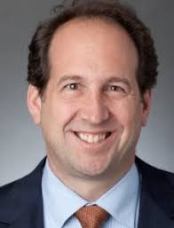
    Squires  JohnOn Monday, President Trump's nomination for Under Secretary of Commerce for Intellectual Property and Director of the U.S. Patent and Trademark Office, John A. Squires, was submitted to the U.S. Senate for confirmation.  Mr. Squires is currently a partner at Dilworth Paxson LLP in New York.  His Dilworth Paxson biography indicates that Mr. Squires' practice area is litigation, that he is a graduate of the University of Pittsburgh School of Law, and that he has a B.S. in Chemistry from Bucknell University.

    Mr. Squires' firm biography also indicates that he is "globally recognized as one of the world's leading attorneys in advanced technologies and intellectual property, including AI, Blockchain, Fintech/Regtech Cybersecurity, and Risk," "led the creation of the United States' first patent asset-backed finance platform for one of the world’s leading funds," and "co-founded, launched, and sits on the board of numerous IP and risk-related businesses, including Regulatory DataCorp, the Risk Assistance Network + Exchange (RANE), and FinClusive."  His biography further notes that in response to the 9/11 attacks, he helped establish an anti-money laundering, anti-terrorist financing information, and analytics business.

    According to his LinkedIn page, Mr. Squires served as Chief IP Counsel for Goldman Sachs from 2000 to 2009, was co-chair of the IP Group at Chadbourne & Parke LLP from 2009 to 2012, was a partner at Perkins Coie LLP from 2012 to 2016, has been a Strategic Advisor to the Risk Assistance Network + Exchange (RANE) since 2013, has been a Board Member and Corporate Secretary and Co-Founder of FinClusive since 2016, and has been a partner at Dilworth Paxson since 2017.

    If confirmed, Mr. Squires would become the twelfth person to serve as Director or Acting Director (or perform the duties of the Director) since July of 2004.  Three Directors have been nominated by new incoming Administrations over that time:  David Kappos, who served as Director from August 13, 2009 to January 31, 2013; Andrei Iancu, who served as Director from February 8, 2018 to January 19, 2021; and Kathi Vidal, who served as Director from April 13, 2022 to December 16, 2024.  Given yesterday's nomination, Mr. Squires, once confirmed, could begin his tenure as Director earlier than two of those three former Directors.

    Additional information regarding Mr. Squires' nomination can be found at IPWatchdog, Reuters, and Bloomberg Law.

  • By Kevin E. Noonan

    Federal Circuit SealAfter creating something of a frisson due to the apprehension that the Federal Circuit might be convinced to re-evaluate whether it was a necessary element for establishing obviousness for the skilled artisan to have had a reasonable expectation of success (see "U.S. Patent Office Challenges the Reasonable Expectation of Success Prong of Obviousness Law Precedent in Immunogen v. Vidal")*, cooler (or perhaps more conventionally doctrinal) heads prevailed in the Court's recent decision in Immunogen, Inc. v. Stewart (albeit by ignoring the argument while nevertheless affirming the District Court's obviousness determination).

    The technology at issue (in U.S. Patent Application Publication No. US 2015/0132323 A1) was directed to methods for treating ovarian and peritoneal cancer patients using an antibody-drug conjugate ("ADC") called IMGN853 (mirvetuximab soravtansine).  The molecule is a conjugate of "an antibody known as 'huMov19,' . . . a toxic maytansinoid payload known as 'DM4,' and . . . a charged chemical linker known as 'charged sulfo-SPDB linker.'"  However, as set forth in the opinion, the drug had the deleterious side-effect that it was capable of causing ocular toxicity, including keratitis and blurred vision; this side effect was not recognized in the prior art.  The methods recited in the rejected claims specify that the administered dose be calculated from the adjusted ideal body weight (or "AIBW"), which will vary from patient to patient and will also likely vary for the same patient during the course of the treatment; claim 1 is set forth as being representative (wherein the limitation in italics was at issue here):

    1.  A method for treating a human patient having an FOLR1-expressing ovarian cancer or cancer of the peritoneum comprising administering to the patient an immunoconjugate which binds to FOLR1 polypeptide,
        wherein the immunoconjugate comprises an antibody or antigen-binding fragment thereof that comprises the variable light chain (VL) complementarity determining region (CDR)-1, VL CDR-2, VL CDR-3, variable heavy chain (VH) CDR-1, VH CDR-2, and VH CDR-3 of SEQ ID NOs: 6-9, 11, and 12, respectively, and a  maytansinoid, and
        wherein the immunoconjugate is administered at a dose of 6 milligrams (mg) per kilogram (kg) of adjusted ideal body weight (AIBW) of the patient.

    The standard for determining the amount of ADC to be administered is different from the total body weight (or "TBW") standard used in the prior art.  Using the TBW standard led to an unacceptable level of ocular toxicity which was not recognized in the art, and such ocular toxicity was significantly alleviated if this drug was dosed using the AIBW approach.

    This is the second time Immunogen has come before the Federal Circuit to appeal rejections for indefiniteness and obviousness from the Patent Office for the '809 application.  In the first case, Immunogen challenged the rejections by filing suit under 35 U.S.C. § 145 and the District Court held for the Office on summary judgment.  The Federal Circuit (before a panel of Judges Newman, Stoll, and Clevenger) vacated and remanded; see "ImmunoGen, Inc. v. Hirshfeld").  With respect to obviousness, the Court's prior judgment was based on factual errors appreciated by the panel, finding that there were genuine issues of material fact in dispute mandating reconsideration by the District Court on remand.

    Here, the Office once again prevailed at the District Court on Immunogen's § 145 action and once again Immunogen appealed to the Federal Circuit.  Once again, the District Court found the claims to be invalid for indefiniteness under § 112(b) and obviousness under § 103 (as well as obviousness-type double patenting, which was not at issue in the appeal).  The indefiniteness judgment was based on the specification "fail[ing] to define AIBW . . . anywhere in its claims" which was significant because the District Court also found that "there are various formulas for AIBW from which a person of ordinary skill in the art could have chosen."  The District Court also held that method of treatment claims using this drug were obvious in view of Immunogen's earlier disclosure of IMGN853 administration using total body weight (TBW) dosing and AIBW dosing for other drugs.  The specific bases for the District Court's obviousness determination set forth in the opinion was that "(i) the problem of ocular toxicity was known, (ii) skilled artisans understood that changing the dose was a possible solution for adverse side effects such as ocular toxicity, and (iii) the prior art disclosed AIBW dosing as a potential means to eliminate or ameliorate ocular toxicity."

    The Federal Circuit affirmed, in an opinion by Judge Lourie, joined by Judges Dyk and Prost.  Regarding obviousness, the panel addressed Immunogen's argument that the District Court erred in its motivation to combine analysis.  According to Immunogen, the ocular toxicity motivating use of AIBW was not recognized in the art.  The Federal Circuit made the distinction that, while the solution to an unappreciated problem may be non-obvious "it does not follow that a claimed solution to an unknown problem is necessarily non-obvious" (emphasis in opinion).  According to the Court, what matters (under KSR Int'l Co. v. Teleflex Inc) is "the objective reach of the claim," i.e., "any need or problem known in the field of endeavor at the time of invention and addressed by the patent can provide a reason for combining the elements in the manner claimed," citing KSR, Janssen Pharms., Inc. v. Teva Pharms. USA, Inc., 97 F.4th 915, 929 (Fed. Cir. 2024), and Alcon Rsch., Ltd. v. Apotex Inc., 687 F.3d 1362, 1368 (Fed. Cir. 2012).  Accordingly, the opinion rejected Immunogen's argument because specific problems not recognized in the prior art do not mandate a finding of non-obviousness under KSR in the Court's view.  The opinion credits the District Court's determination that ocular toxicity was a "well-known adverse event in administration of immunoconjugates" comprising the maytansinoid component of IMGN853 (despite such effects not being seen in experimental animals).  Lack of knowledge does not prevent the skilled worker from being motivated to monitor for the unknown side effects according to the panel (which seems to smack at least a little of hindsight and special pleading).

    The panel similarly rejected Immunogen's contentions that the specific use of AIBW in place of TBW would not have been obvious.  The District Court held that the skilled worker would have been motivated to try to solve the unrecognized ocular toxicity problem by using alternative methods for determining an effective dose known in the art (as was AIBW, known for avoiding ocular toxicity in drugs such as antibiotics, radioimmunoconjugates, and other anticancer drugs).  These facts formed the bases for the District Court in finding motivation for using AIBW as a dosing metric and the Federal Circuit found no clear error in this determination.  This decision was based on the panel's apprehension that, while not having been used to determining dosing for an ADC in the prior art, it "would have been within the range of knowledge of a person of ordinary skill in the art when confronted with dosing-induced toxicities, and particularly when confronted with dosing-induced ocular toxicity" (despite ocular toxicity for IMGN853 not being appreciated in the prior art).  The District Court (and the Federal Circuit) supplemented the art with Immunogen's own U.S. Patent Application Publication No. 2012/0282282 (ImmunoGen's own publication) that disclosed both IMGN853 and ocular toxicity.

    Turning to the question of the specific dose (6 mg/kg) set forth in the claims, a seemingly important factor (for both the District Court and the Federal Circuit) was that "patients who weigh exactly their ideal body weight receive an identical dose of IMGN853 when dosed based on either AIBW or TBW."  There was specific disclosure in the art for administering "about" 6 mgkg (5 mg/kg or 6 mg/kg) of IMGN853.  In addition to these facts, the panel was concerned that in finding the claimed method non-obvious the Court could be "prevent[ing] doctors from practicing what is already disclosed in the prior art for patients at their ideal body weight" (which would occur even if the doctor did not know the amount to be administered using AIBW dosing).  This outcome should be sufficient to support the District Court's obviousness conclusion according to the opinion, citing PAR Pharm., Inc. v. TWI Pharms., Inc., 773 F.3d 1186, 1196 (Fed. Cir. 2014), quoting In re Oelrich, 666 F.2d 578, 581 (CCPA 1981).

    Finally, turning to the question of reasonable expectation of success that the Patent and Trademark Office had argued should not be a consideration in this and similar cases, Immunogen's argument was focused on the lack of such reasonable expectation for the 6 mg/kg dose.  The absence of any limitation in the claims relating to avoiding ocular toxicity formed the basis for the panel to reject this argument; specifically what the District Court was required to do (and did under these circumstances according to the Court) was to determine whether "a person of ordinary skill in the art would have had a reasonable expectation that dosing a human at 6 mg/kg AIBW would have been effective in treating ovarian and peritoneal cancers," citing Teva Pharms. USA, Inc. v. Corcept Therapeutics, Inc., 18 F.4th 1377, 1381 (Fed. Cir. 2021).  The Court again relied on this dosage being the same using AIBW as was found using TBW to provide the requisite reasonable expectation of success to support the District Court's obviousness holding.

    For Immunogen, the outcome was the same as in the earlier appeal, but for the rest of us some comfort can be taken that the Court did not take the USPTO's suggestion that it fundamentally rewrite how obviousness is properly determined.

    * In its briefing, the Office took the position that claims to methods for administering drugs (particularly ones subject to independent patent protection) that rely, as do Immunogen's, on dosing regimens are (almost per se) obvious.  This position included an attack on Immunogen's argument that the claims were non-obvious because the unpredictability of these claims would preclude the skilled worker from having the requisite reasonable expectation of success.  The Office decried this argument, asserting that "ImmunoGen should not be able to use 'unpredictability' as talisman for getting a patent.  Otherwise, drug companies may be able to get patent protection on any follow-on pharmaceutical development no matter how obvious to try – because the result of pharmaceutical experiments are nearly always somewhat unpredictable."

    Immunogen, Inc. v. Stewart (Fed. Cir. 2025)
    Panel: Circuit Judges Lourie, Dyk, and Prost
    Opinion by Circuit Judge Lourie

  • By Kevin E. Noonan

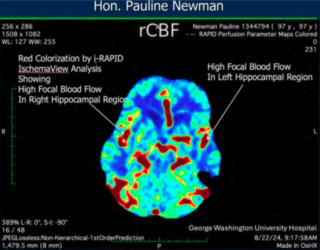
    Judge Newman_1The Honorable Pauline Newman, Circuit Judge for the U.S. Court of Appeals for the Federal Circuit, has been battling her suspension from the Court imposed by the Judicial Council for two years (including proceedings leading up to the suspension; see "Judge Newman and the On-Going Attempts to Remove Her from the Federal Circuit"; "Judge Newman Matter Continues"; "Federal Circuit Special Committee Responds to Judge Newman's Counsel's Request for Clarification Regarding Misconduct Hearing"; "Federal Circuit Special Committee Recommends One-Year Suspension of Judge Newman"; "Judge Newman Suspended for One Year by Federal Circuit"; "Judge Newman's Suit Continues";  "Special Committee of the Judicial Council of the Federal Circuit Replies").  Recently, her efforts came to naught, as the D.C. District Court dismissed her suit against her colleagues (see "Judge Newman's Suit Comes to an End") and the Judicial Counsel renewed her suspension for another year (see "Special Committee's Suspension Recommendation Adopted by Federal Circuit; "Judge Newman Suspension Renewed").  Judge Newman has filed an appeal in the D.C. Circuit (see "Judge Newman Files Appeal with D.C. Circuit") and the Judicial Council of the Federal Circuit has responded.  Last month, Judge Newman filed her Reply.

    The brief addresses the arguments set forth in the Judicial Council's brief responding to Judge Newman's principal arguments on appeal:  that Congress cannot legitimately enact legislation that permits removal (actual or constructive) of an Article III Judge outside the impeachment provisions of the Constitution, and that the District Court erred in failing to construe the statute to permit the Judicial Council's de facto removal of Judge Newman from the bench; that the Judicial Council's assertions that their suspension was temporary is inconsistent with the record; that prior precedent (McBryde v. Comm. to Rev. Cir. Council Conduct & Disability Ords. of Jud. Conf. of U.S.) was not controlling; and that permitting the Judicial Council to participate in this process violates Judge Newman's due process rights.

    The brief begins by highlighting the Achilles heel of the Judicial Council's justifications for how it had conducted the inquiry directed towards Judge Newman, saying that "Defendants-Appellees fail to dispute that as a result of her unlawful suspension Judge Newman does not exercise any functions of her office."  The tack the Council has taken in its Responsive brief, and throughout is that the Judicial Conduct and Disability Act, 28 U.S.C. §§ 351-364, gives the Council the authority to act as it has, and that Judge Newman has the "keys" to her return to the bench by complying with the Council's demand that she submit to neuropsychological testing by physicians of the Council's choice.  The brief also disputes, and argues that the Council does not "address, much less rebut, Judge Newman's argument that this Court has authority to ensure that the Judicial Council, as an administrative body, does not act beyond its statutory remit."  While seeming not to dispute that the Act permits suspension from a judge's duties only "on a temporary basis for a time certain," it is clear that, absent the Judge's compliance, the suspension will never be lifted.  The situation is unprecedented, Judge Newman argues, stating that "a complete involuntary suspension from judicial duties has never been attempted irrespective of the seriousness of misconduct by a federal judge" (emphasis in brief), nor has there a "single instance of a case where a misconduct investigation of a circuit judge was conducted within that judge's own circuit."  And, the brief argues, no Judicial Council has ever before asserted the power to debar a "duly nominated, confirmed, and appointed United States Circuit Judge" from the "powers and duties" of her judicial office other than by impeachment by the House of Representatives (this lack of historical precedent being "highly probative" according to the brief, citing several authorities).

    Judge Newman summarizes her argument in three major points.  The first is that the D.C. Circuit Court has the duty to construe the statute and this includes ruling on the constitutionality of a Judicial Council removing an Article III judge from the court other than by recommending impeachment to the House.  Either the Council has exceeded its authority under the Act, or the Act permits the Council's actions, in which case it is unconstitutional to the extent that it permits such removals.  And the fact that the removal is at the hands of federal judges acting as a judicial council does not justify abrogation of the Constitution's guarantee of life tenure, which guarantee "protects the independence of individual judges from their colleagues as much as from other branches."

    The second prong of Judge Newman's argument is that the District Court erred by relying on McBryde v. Comm. to Rev. Cir. Council Conduct & Disability Ords. Of Jud. Conf. of U.S., 264 F.3d 52, 64-67 (D.C. Cir. 2001), as precedent that it could not considered "as applied" constitutional challenges.  According to the brief, the Court had "explicitly reserved the issue now presented here: whether a long-term disqualification can constitute an unconstitutional removal from office."  The crux of this argument was that the Court made this reservation in the context of having jurisdiction over whether an agency decision exceeded the statutory authority under which the agency acted, and that when acting under the Act a judicial council was acting as an agency not as a court.

    The third argument involved Judge Newman's due process complaint, to which she was constitutionally entitled the brief asserts.  The brief argues that there is no disputing in the Responsive brief that the Judicial Council was acting as "investigators" and "witnesses" and thus not as neutral judges required to ensure due process is received in an adjudicatory proceeding.

    Regarding the first argument, Judge Newman asserts that what is properly before the D.C. Circuit Court is her facial challenge on the constitutionality of the Act, based on what she asserts is the Judicial Council's "complete debarment from judicial functions" which "necessarily prevents a judge from exercising judicial power and therefore effects a functional 'removal' from office" (emphasis in brief).  In this argument, Judge Newman presents the Court with two alternatives:  either the Judicial Council's indeterminate suspension was improper under a narrow construction of the Act, or the Act is unconstitutional if within its proper scope it permits divesting an Article III judge from her office.  In addressing the Judicial Council's argument that Judge Newman had waived this argument (which she denies), her brief reminds the Court of their duty "to construe the statute and give meaning to the statutory language," citing Crowell v. Benson, 285 U.S. 22, 62 (1932) (emphasis in brief).  The brief disputes the Responsive brief's characterization of Judge Newman's argument to the extent that it is anything but that the Act does not permit judicial councils to remove a judge from the performance of her judicial functions indefinitely and, if the Act permits this outcome, it is unconstitutional.

    And in that case, that the Act does permit suspensions for indefinite terms, then "the Act can never be validly applied" and is unconstitutional on its face.  The brief recognizes that there are some limits that can be placed on a judge's purview under the Act but that the power to suspend a judge from all judicial functions is not (constitutionally) one of them.  "[H]aving a framed commission on the wall while being unable to exercise any powers granted by that very commission, is meaningless," the brief asserts in making its distinction between the question of the length of the suspensions a judicial council is entitled to impose to be constitutional (and the mere fact that Judge Newman technically still has her seat is not enough; "the Constitution 'deals with substance, not shadows'" the brief asserts, citing  Cummings v. Missouri, 71 U.S. (4 Wall.) 277, 325 (1867).  And distinguishing McBryde, the brief concedes that "an act of Congress that authorizes some forms of judicial intra-branch discipline (e.g., censure, reprimand, or diminution of caseload) does not raise the same constitutional concerns."

    Further on this point, the brief rebuts what it terms the "parade of horribles" in the Responsive brief with regard to the purported negative consequences that would ensue should the Court agree with Judge Newman on the merits (which is somewhat illuminating reading but not particularly germane to the issues here).  But in this portion of the brief Judge Newman takes the opportunity to address the argument that disabled judges would not be able to be divested of their office by, first, stating that "this simply reflects the Constitution's limits on the power of the Judicial Council," and second that while "not ideal circumstances "the Constitution, for better or worse, placed the determination of when to step down from the bench in the hands of the judge herself and of Congress as a backstop—not in a judge's colleagues' hands" (while noting in an aside that Judge Newman is not a disabled judge).

    Finally, the brief addresses and rebuts the Judicial Council's argument that the interpretation of the Act they advance does not threaten judicial independence.  In this regard, the brief cites Northern Pipeline Construction Co. v. Marathon Pipe Line Co. that "[t]he guarantee of life tenure insulates the individual judge from improper influences not only by other branches but by colleagues as well and thus promotes judicial individualism," 458 U.S. 50, 59 n.10 (1982) (emphasis in brief).

    On Judge Newman's second line of argument, the brief makes short work of the argument in the Responsive brief that Judge Newman's suspension is only temporary.  The brief argues that suspensions by judicial councils are not empowered to "induce compliance" as the Responsive brief contends.  Instead, the Act empowers a judicial council to impose suspensions as remedies for past conduct, and Judge Newman notes that the Judicial Council in this case has itself "abjured the claim that Judge Newman's suspension is meant to be 'coercive.'"  The brief uses the case of Judge John Adams to illustrate the distinctions, wherein while Judge Adams was required to be subject to a psychiatric exam the suspension imposed was "without any possibility of renewal," In re Complaint of Judicial Misconduct, No. 06-13-90009 (6th Cir. Judicial Council, June 27, 2018).  The brief also reminds the Court (or brings to its attention) the fact that "even before the formal disciplinary process against Judge Newman began, Chief Judge Moore demanded Judge Newman's resignation."  "The entire history of this process shows that Defendants-Appellees have already concluded that Judge Newman has no place on the bench and they are willing to remove her irrespective of what medical evidence shows," the brief asserts.

    The brief then sets forth an expanded version of the argument that the McBryde precedent does not stand for what the Responsive brief would have the Court believe that it does.  The legal principle upon which Judge Newman continues to rely is that the existence of "intervening authority" (here, the reservation enunciated in footnote 5 of McBryde) relieves this panel from being bound by McBryde under Carpenters Loc. Union No. 26 v. U.S. Fid. & Guar. Co., 215 F.3d 136, 141 (1st Cir. 2000).

    Finally, the brief turns to Judge Newman's due process arguments, colorfully addressing the Responsive brief's reliance on Judge Newman's opportunity to proffer her arguments by stating "Even Soviet justice permitted attorney arguments" in response.  What due process requires, Judge Newman argues, is "a neutral and detached judge in the first instance," citing Concrete Pipe & Prods. of Cal., Inc. v. Constr. Laborers Pension Tr. for S. Cal., 508 U.S. 602, 617 (1993) (quoting Ward v. Village of Monroeville, 409 U.S. 57, 61-62 (1972)), which has not been available to Judge Newman according to her brief.  The brief rebuts the assertion that the misconduct allegations are predicated on Judge Newman's failure to comply by reminding the Court that "the reason Judge Newman has declined to cooperate is precisely because the evaluation of any medical report would be done by people who are, by their own admission, witnesses to the underlying allegations" (emphasis in brief).  The basis for this situation has been the unprecedented insistence by this Judicial Council to retain jurisdiction over this matter instead of transferring it to a judicial council in another Circuit, she argues.  The reasonableness of Judge Newman's request for transfer and the importance of the due process implications are illustrated in the brief by the history of such proceedings in other circuits and the behavior (recusal) of judges in similar circumstances as the judges on the Federal Circuit's judicial council here.  "The unprecedented nature of these proceedings, overseen by judges who are also witnesses, weighs heavily in favor of their unlawfulness," this brief strongly argues.

    The saga continues.

  • By Andrew Velzen

    As reported by Quantum Insider[1], this past week, the Patent Trial and Appeal Board (PTAB) at the United States Patent and Trademark Office (USPTO) overturned an examiner's rejections of an application directed to a quantum computing invention.[2]  Even though this decision is based solely on the view of three administrative patent judges at the PTAB, it is notable since there have not yet been a substantial amount of PTAB or Federal Circuit decisions in the technical area of quantum computers.[3]  Further, as multiple commentators have noted, the current landscape under 35 U.S.C. § 101 could potentially be hostile to quantum computing innovations.[4]  Hence, opinions rendered in this space will likely be an important early barometer regarding the likelihood of success in terms of patentability.  Given this, I feel it is worth gleaning what we can from this early decision. During examination, the Examiner rejected the majority of the pending claims under 35 U.S.C. § 112(a) as lacking written description and all pending claims under 35 U.S.C. § 101 as directed to patent-ineligible subject matter. Portion 1_450The 35 U.S.C. § 112(a) rejections warrant little discussion.  Essentially, the Examiner had rejected the "generating an objective function" step of the claims (step (a) from claim 1 above) as only demonstrating that the inventors were in possession of the specific objective function described as an example in the Specification.  According to the Examiner, this was insufficient to meet the written description requirement.  The PTAB roundly disagreed with the Examiner's analysis on this point.  In the panel's view, the Examiner:  conflated the enablement requirement with the written description requirement as it applied to using example species to describe a genus; improperly stated that the Specification fails to indicate how the inventors intended for the features to be performed while simultaneously citing to specific examples from the Specification of how to perform the claim features; and cited to irrelevant caselaw in the rejection. Perhaps most importantly with respect to the § 112(a) rejection, the PTAB noted that "the original claim 1, which is a part of the Specification, recites the disputed limitation."  As such, the PTAB overturned the § 112(a) rejections.

    Much more interesting, in my view, is the PTAB's addressing of the Examiner's rejections under 35 U.S.C. § 101.  Under the traditional two-step Mayo/Alice test, the Examiner had previously stated that the preparation and measurement of quantum states is mere "gathering data of a particular type or source to be used in performing the abstract idea" and "is an attempt to limit the abstract idea to a particular field of use or technological environment."[8]  In its own analysis, the PTAB jumped directly to Step 2A, Prong 2 of the Mayo/Alice test (i.e., whether the claimed abstract idea is integrated into a practical application).  In doing so, the PTAB determined that the applicant's claims did integrate the abstract idea (e.g., the mathematical relationships) into a practical application and, therefore, are patent-eligible.

    In analyzing the applicant's claims, the PTAB agreed with the applicant's argument that the claims provide a technological improvement by enabling noisy quantum computers (which have limited circuit depth) to practically solve linear systems.  In order to arrive at this determination, the PTAB pointed to discussions from the applicant's specification of limitations in other quantum computing systems:

    One problem to which quantum computers have been applied is solving linear systems.  Existing techniques for using quantum computers to solve linear systems, however, cannot be implemented on current quantum computers, which are noisy and have low circuit depths.

    What is needed, therefore, are improvements to quantum computers for solving linear systems.

    A hybrid quantum-classical (HQC) computer system, which includes both a classical computer and a quantum computer, solves linear systems.

    Portion 2_450As a result of the above, the Examiner was reversed on all counts.

    There are two points I take away from this decision.  The first point is something that most of us who routinely work in technologies likely to face § 101 rejections are already very well-aware of.  That is, make sure to explicitly recite both an underlying technical problem and how your invention provides a technical improvement when drafting a patent specification.  That way, your first go-to in responding to a § 101 rejection can always be to parrot passages from your own specification to easily argue that your claims provide the requisite technical improvement under Step 2A, Prong Two (or under the "significantly more" analysis of Step 2B) of the Mayo/Alice test.  It is clear that these types of passages and the associated argumentation from applicant's counsel were sufficiently persuasive for the PTAB.

    Second, and more crucially / technology-specific in my view, this case is also an example that enabling quantum computers to perform techniques that classical computers already routinely perform can still constitute a technical improvement under § 101.  For example, classical computers can already solve linear systems of equations.  However, here, the goal of the applicant was to enable noisy quantum systems to be used in solving linear systems of equations.  Thus, by framing the application appropriately, even merely enabling some classical computing actions in a quantum computing space can provide the requisite technical improvement.  And why shouldn't it?  Ultimately, like here, by accounting for some of the shortcomings of quantum computers (e.g., noise), the speedup of quantum computers can be actualized, which is, in itself, absolutely an improvement.  While it may seem clear that this should be considered an improvement, it is relieving (especially in an area of the law rife with self-contradictions and head-scratchers) that this first result agrees.

    Obviously, though the claims at issue here do involve mathematics at a baseline level, the claims still recite actively manipulating qubits in the all-important "controlling" step that the PTAB highlighted.  It will be intriguing to see, as we go forward, whether claims that are one or more steps further abstracted (e.g., relating more tenuously to hardware and more directly to quantum algorithms) will also be viewed favorably under § 101.  Also, as I noted upfront, this is just one case with three APJs, so we will have to monitor if this decision reflects the general opinion toward quantum innovations going forward or instead marks an aberration.  I remain hopeful that, like the invention in question, judges and examiners evaluating quantum innovations can continue to block out the (§ 101) noise.

    [1] https://thequantuminsider.com/2025/02/17/patent-board-overturns-rejection-of-hybrid-quantum-computing-method/

    [2] The full text of the PTAB decision can be found here.

    [3] And what prior jurisprudence does exist is relatively uninstructive / inapplicable in a general sense.  For example, in the nonprecedential Federal Circuit decision in In re Huping Hu (Fed. Cir. 2021), four patent applications relating to alleged quantum entanglement technologies were rejected primarily under 35 U.S.C. §§ 101 and 112(a) as lacking operability, written description, and enablement.  These final rejections were upheld by the PTAB and then upheld by the Federal Circuit.  In that case, the examiners, the PTAB, and the Federal Circuit were all incredulous based on the applicant's insufficient description of the inventions.  "The PTO, as the nation's guardian of technologic invention, must be receptive to unusual concepts, for the core of invention is unobviousness.  However, concepts that strain scientific principles are properly held to a heightened standard, typically measured by reproducibility of results.  Here the Board was presented with an apparent departure from conventional scientific understanding, and the Board appropriately sustained the examiners' requirements for experimental verification.  The Board applied a reasonable and objective standard, and acted reasonably in sustaining the examiners' requirements.  Should further investigation."  In re Huping Hu (Fed. Cir. 2021).

    [4] See, e.g., my 2023 article from Inside Quantum Technology Newshttps://www.insidequantumtechnology.com/news-archive/how-to-develop-a-strong-quantum-patent-portfolio-part-1/

    [5] https://www.hpcwire.com/2024/10/14/zapata-computing-early-quantum-ai-software-specialist-ceases-operations/ 

    [6] Published Specification (U.S. Pat. App. Pub. No. 2020/0104740) at Paragraph [0046].

    [7] See also Published Specification (U.S. Pat. App. Pub. No. 2020/0104740), Paragraphs [0050]-[0053].

    [8] PTAB Decision, Page 12.

  • Note: This post addresses two Federal Circuit decisions issued on January 29, 2025.  Both appeals involved Plaintiff-Appellee Regeneron Pharmaceuticals, Inc., with the first appeal involving Defendant-Appellant Formycon AG (Case 24-2009) and the second appeal involving Defendant-Appellant Samsung Bioepsis Co. (Case 24-1965).  At trial, each case also included Defendants Mylan Pharmaceuticals Inc., Amgen USA, Inc., Biocon Biologics Inc., Celltrion, Inc., and Amgen Inc., as well as the two Defendants-Appellants.

    By Kevin E. Noonan

    Federal Circuit SealThe Federal Circuit recently affirmed the District Court's grant of preliminary injunctions against each of the Defendant biosimilar applicants recited in the caption, as well as the District Court's finding of the court having personal jurisdiction over each, in two decisions captioned Regeneron Pharmaceuticals, Inc. v. Mylan Pharmaceuticals Inc. (Fed. Cir 2025) having the Defendants-Appellants listed above.

    The case arose in multidistrict litigation (28 U.S.C. § 1407) under the Biologics Price Competition and Innovation Act (BPCIA; 42 U.S.C. § 262(k)–(l)) over Regeneron's Eylea® (aflibercept) product.  Aflibercept is a VEGF (vascular endothelial growth factor) antagonist (also termed a "VEGF trap") which is used to treat a number of angiogenic eye diseases including age-related macular degeneration (AMD) and diabetic retinopathy.  Each of the Defendants had filed an Abbreviated Biologics License Application or were involved in the production of the biosimilar product for Eylea®, and at issue was Regeneron's U.S. Patent 11,084,865, specifically claim 4 as asserted against Samsung Bioepsis ("SB"):

    1.  A vial comprising an ophthalmic formulation suitable for intravitreal administration that comprises:
        a vascular endothelial growth factor (VEGF) antagonist[,]
        an organic co-solvent,
        a buffer, and
        a stabilizing agent,
    wherein said VEGF antagonist fusion protein is glycosylated and comprises amino acids 27-457 of SEQ ID NO:4; and
    wherein at least 98% of the VEGF antagonist is present in native conformation following storage at 5° C. for two months as measured by size exclusion chromatography.

    2.  The vial of claim 1, wherein the concentration of said VEGF antagonist fusion protein is 40 mg/ml, and wherein said organic co-solvent comprises polysorbate.

    4.  The vial of claim 2, wherein said organic co-solvent comprises about 0.03% to about 0.1% poly-sorbate 20.

    Also relevant to the proceedings was claim 5 of a related Regeneron patent, U.S. Patent No. 9,340,594, which was asserted by SB in arguing that the '865 patent was invalid under the judicially created doctrine of obviousness-type double patenting:

    1.  A pre-filled syringe suitable for intravitreal administration comprising a 1 mL luer glass syringe fitted with a plunger and a stable ophthalmic formulation of a vascular endothelial growth factor (VEGF) trap, which consists of (i) a receptor component consisting essentially of an immunoglobulin-like domain 2 of a first VEGF receptor and an immunoglobulin-like domain 3 of a second VEGF receptor, and (ii) a multimerizing component, wherein the stable ophthalmic formulation comprises:
        (a) 1-100 mg/ml [of] a VEGF antagonist;
        (b) 0.01-5% of one or more organic co-solvent;
        (c) 5-40 mM of buffer; and
        (d) optionally comprising 1.0-7.5% of a stabilizing agent.

    2. The pre-filled syringe of claim 1, wherein the first VEGF receptor is Flt1, and the second VEGF receptor is Flk1 or Flt4.

    3.  The pre-filled syringe according to claim 2, wherein the VEGF trap is stable for at least 4 months.

    4.  The pre-filled syringe according to claim 3, wherein the VEGF trap consists of amino acids 27-457 of SEQ ID NO:4.

    5.  The pre-filled syringe according to claim 4, wherein the stable ophthalmic formulation comprises 40 mg/mL of the VEGF trap, 10 mM phosphate, 40 mM NaCl, 0.03% polysorbate 20, 5% sucrose, at pH 6.2-6.4.

    (in each instance the opinion sets forth relevant claim limitations in italics).

    The District Court granted a preliminary injunction to Regeneron against SB preventing it from selling or offering to sell its FDA-approved aflibercept biosimilar product without a license from Regeneron.  The District Court rejected SB's arguments to the contrary, based on Acorda Therapeutics Inc. v. Mylan Pharmaceuticals Inc.  SB appealed, based on its assertions that the District Court improperly found personal jurisdiction in the multidistrict forum (the District of West Virginia) and improperly granted the injunction over its assertion that the '865 patent was invalid for ODP, failure to satisfy the written description of 35 U.S.C. § 112(a), and for failing to establish a "causal nexus" between its infringement and irreparable harm to Regeneron.

    The Federal Circuit affirmed, in an opinion by Judge Taranto joined by Chief Judge Moore and Judge Reyna.  The opinion relied on Merial Ltd. v. Cipla Ltd. for making its jurisdiction determination, setting forth the "two inquiries" under Federal Rule of Civil Procedure 4(k)(1)(A), upon which such determinations are made:  first, "whether a forum state's long-arm statute permits service of process, and whether the assertion of jurisdiction would be inconsistent with due process," citing Electronics for Imaging, Inc. v. Coyle (finding that the West Virginia "long arm" statute is co-extensive with due process under In re Celotex Corp.).  SB had argued that it lacked the "minimum contacts" required for a district court in a forum state to exercise jurisdiction, International Shoe Co. v. Washington, and that "there is no evidence that it plan[ned] to commercialize [aflibercept biosimilar] in West Virginia.  Regeneron countered that "filing of its aBLA, serving of its Notice of Commercial Marketing, failure to deny the allegation that it would commercialize . . . in West Virginia through Biogen, and establishment of a robust distribution channel that includes West Virginia" was sufficient, and the Federal Circuit agreed.

    Turning to Acorda, the panel set forth a comparison between the circumstances here and in that case, which involved ANDA litigation under § 271(e)(2) (the opinion noting that none of the parties argued that the jurisdictional standards were different between ANDA and BPCIA litigation).  In Acorda, the ANDA filing, as "formal acts that reliably indicate plans to engage in marketing of the proposed generic drugs," was enough to establish personal jurisdiction in view of the Court's understanding that the Hatch-Waxman regime enacted by Congress illustrated an understanding of the "close connection between an ANDA filing and the real-world acts that approval of the ANDA will allow and that will harm patent-owning brand-name manufacturers."  As in Acorda, the panel recognized SB's behavior — filing an aBLA, serving the Notice of Commercial Marketing under 42 U.S.C. § 262(l)(8)(A), engaging with "several manufacturing, testing, labeling, and/or packaging partners," and entering into an "elaborate distribution agreement with Biogen" — were consistent with the intent to sell its FDA-approved aflibercept biosimilar product in the forum state (the extent of SB's involvement with Biogen regarding distribution being particularly significant to the Court).  Also significant was the lack of any evidence that the nationwide distribution network had any provisions for states where SB's product would not be sold, the panel holding that the District Court had not "clearly erred in finding that SB will retain a significant role in Biogen's activities through contractually established mechanisms."

    The panel expressly rejected SB's assertion that there is a "bright-line constitutional difference" between SB distributing its product itself and contracting with a third party (Biogen) to do so, based on Acorda.  Also rejected was SB's argument that Regeneron bore the burden of producing affirmative evidence that SB would market its product in West Virginia, saying "there is simply no good reason, under the constitutional standard, for demanding such singling-out evidence as a substitute for persuasive evidence of nationwide targeting without a carve-out."

    Turning to the grant of the preliminary injunction, the issue before the Court was whether SB raised a "substantial question as to the invalidity of the '865 patent for obviousness-type double patenting" over the '594 patent.  The question concerned three limitations arising in claim 1 of the '865 patent and claim 5 of the '594 patent.  These were: "(1) a very specific stability requirement—that 'at least 98% of the VEGF antagonist is present in native conformation following storage at 5°C for two months as measured by size exclusion chromatography'; (2) a requirement that the VEGF antagonist is 'glycosylated'; and (3) a "vial."  The first distinction that the District Court relied upon in finding no ODP was that the '865 patent claim required that at least 98% of the claimed VEGF antagonist retained the native conformation after storage at 5°C for two months, wherein claim 5 of the '594 patent merely required that the protein was "stable for at least four months."  The District Court construed these limitations to be that the "stability requirement' in the '594 patent was "broader than, and not limited to," the stability requirement recited in the '865 patent, based in part on the disclosure of their shared specification.  Further, the District Court held that the limitation in the '865 patent claim was "not inherent (and thus not anticipated by)" the '594 claim.  Accordingly the District Court found that the '865 patent claim "was non-obvious because a relevant artisan would not have been motivated to arrive at this requirement with a reasonable expectation of success."

    On appeal, SB argued that the stability recited in the '865 patent claim was an obvious variant because it is "simply an additional property of the composition."  The specifically recited stability in the '865 patent claim was "encompassed by" the generic stability limitation recited in the '594 patent claim according to SB.  The Federal Circuit held that these arguments "bypass the focused factual analysis of motivation and reasonable expectation of success" and were thus unpersuasive, for at least the reasons that SB did not support its assertion that the existence of an additional property was enough to defeat patentable distinctness and that the cases relied upon by SB (Sun Pharmaceutical Industries, Ltd. v. Eli Lilly & Co.; Pfizer, Inc. v. Teva Pharmaceuticals USA, Inc.; AbbVie Inc. v. Mathilda & Terence Kennedy Institute of Rheumatology Trust; Geneva Pharmaceuticals, Inc. v. GlaxoSmithKline PLC) did not support their argument.  Also, "domination" (of a genus claim over a species, for example) "by itself[] does not give rise to 'double patenting'" according to the opinion, citing In re Kaplan.  The panel asserts that "[w]e are not persuaded that SB has put forth a substantial basis for questioning that the 98% native conformation limitation of claim 1 of the '865 patent makes the claim patentably distinct from claim 5 of the reference patent" including, inter alia, that SB did not challenge the District Court's claim construction (regarding the term "stable") nor several of the District Court's factual findings on motivation and reasonable expectation of success.

    The opinion notes that this would be enough to affirm the District Court's decision, but further states that the panel agreed with the patentable distinction that the '865 patent specifies that the protein is glycosylated while the '594 claims are silent on this feature (encompassing both glycosylated and non-glycosylated forms) and that SB had presented no persuasive argument to overturn the District Court on this issue.

    The panel then addressed SB's contentions that the '865 patent failed to satisfy the written description requirement of 35 U.S.C. § 112(a) (itself a question of fact for which the District Court's determinations were entitled to deference under the clear error standard).  The limitations SB challenged in this regard were the glycosylation limitation, the upper bound of 98% stability, and the lower boundary of the stability requirement.  Regarding the glycosylation limitation, the panel assessed the challenge using the rubric that "a disclosure must be considered as a whole" as the skilled artisan would consider it, and determine whether the specification "reasonably conveys possession" of the claimed invention, citing Allergan USA, Inc. v. MSN Laboratories Private Ltd. (emphasis in opinion).  The District Court relied on specific portions of the specification that disclosed the glycosylated forms and the stability data, supported by expert testimony that the skilled worker would understand that what was taught was glycosylation of specific residues.  The Federal Circuit opined that on this record they could find no clear error.  Moreover, the panel also found no contradictions between the District Court's finding on ODP (which were limited to the claims) and the District Court's findings on the written description requirement (which was based on the disclosure in the specification).  Regarding the upper stability boundary, the panel found no clear error by the District Court in relying on expert testimony (including SB's own expert), and for the lower boundary held that the District Court properly distinguished the precedent SB relied upon in making its arguments (including Indivior UK Ltd. v. Dr. Reddy's Laboratories S.A.).

    Finally, the Federal Circuit addressed and rejected SB's arguments that Regeneron had not established a causal nexus between its infringement and irreparable harm.  First, SB argued that its biosimilar was approved by FDA to require only 96% stability, which would not infringe the '865 patent claims.  The panel asserted in response that "[t]here is no evidence that SB possesses or plans to sell or offer to sell a non-infringing biosimilar under its approved aBLA [and i]ndeed, the evidence in the record indicates otherwise," citing expert testimony including that SB could not alter its FDA-approved formulation to be non-infringing with any guarantee that such a product would work as intended.  Second, SB argued that the nexus required is that the stability feature of retaining 98% native conformation "must drive demand" for its product to establish such nexus.  The panel stated that the precedent properly interpreted limits the causal nexus inquiry as argued by SB to "'complex, multi-featured' products," in instances where "a court must analyze whether the patented feature is a driver of consumer demand for the accused infringer's product," citing Apple Inc. v. Samsung Electronics Co.  In contrast, for cases like this one, for "a product that essentially is the claimed invention" the causal nexus assessment is not required to establish irreparable harm according to the opinion (emphasis in opinion).  In closing, the panel noted that "if SB produces a noninfringing product within the scope of its aBLA, it may seek modification of the injunction from the District Court.

    The companion, nonprecedential decision (also written by Judge Taranto) relied on the Samsung decision for much of the background facts and arguments.  The District Court in this case held that personal jurisdiction arose for Defendant Formycon and issued a preliminary injunction against this defendant; Formycon appealed both decisions.

    Like Samsung Bioepsis, on the personal jurisdiction issue, Formycon argued that it has no "direct" ties to the forum (West Virginia), including being "not registered to do business there; ha[d] not appointed an agent for service of process there; ha[d] no assets or employees there; ha[d] not previously been sued there; and ha[d] not developed, manufactured, or packaged its drugs there" and also "has no plans or rights to itself commercialize (market and distribute)" its FDA-approved aflibercept biosimilar product there.  Instead, a yet unnamed third party would be engaged to commercialize the drug for U.S. sales (including in West Virginia).  But as described in the opinion, Formycon will not step away from commercialization efforts, and through "various contracts" will have "continuing rights and responsibilities regarding" its biosimilar product.  The opinion states that the evidence as a whole showed Formycon planned to market its product in the U.S., including West Virginia, constituting  affirmative acts such as filing its aBLA, serving Regeneron with a Notice of Commercial Marketing and engaging companies to "manufacture, package, and label" its biosimilar product in the U.S.  In its efforts to establish a "distribution channel" for its product, the opinion states, Formycon has taken no steps to exclude West Virginia.  While a separate corporate entity will "market, sell, and distribute" the product, Formycon through a supply agreement will make the FDA-approved aflibercept biosimilar product.  The Federal Circuit "on the record as a whole" sees no difference between the SB and Formycin situations with regard to the personal jurisdiction question.

    Regarding whether the District Court had improperly granted the preliminary injunction against Formycon, the panel asserts that the same bases for denying SB's invalidity contentions applied to Formycon (in the Samsung case the opinion asserts "we agreed with the district court on the [insufficiency of SB's ODP assertions based on the] first two [claim] limitations, and that agreement sufficed to affirm the district court's ruling on the ODP defense without our reaching the other issues.  We do the same here").  And Formycon's "only argument arguably falling outside the category ("with respect to the 98% native conformation limitation")" also fails, according to the opinion, inter alia, because Formycon did not challenge the claim construction on which the District Court based its opinion ("The point is forfeited").  The Federal Circuit found no reversible error in the District Court's rejection of Formycon's ODP-based challenge to the District Court's grant of a preliminary injunction on the stability limitation, and as in its Samsung opinion assessed the glycosylation argument (albeit addressing a more detailed argument and additional bases for Formycon's contentions) and yet arrived at the same conclusion in rejecting it.

    Similarly, the Federal Circuit did not see any "material difference between Formycon's arguments and those presented by SB" with regard to invalidity for failure to satisfy the written description requirement, and "Formycon has presented no argument we have not already considered and rejected in the SB decision" on the question of a lack of causal nexus between Formycon's infringement and irreparable harm to Regeneron in the absence of the injunction granted by the District Court.

    Regeneron Pharmaceuticals, Inc. v. Mylan Pharmaceuticals Inc. (Fed. Cir. 2025)
    Nonprecedential dispostion
    Case 24-2009 involving Defendant-Appellant Formycon AG
    Panel: Chief Judge Moore and Circuit Judges Reyna and Taranto
    Opinion by Circuit Judge Taranto

    Regeneron Pharmaceuticals, Inc. v. Mylan Pharmaceuticals Inc. (Fed. Cir. 2025)
    Case 24-1965 involving Defendant-Appellant Samsung Bioepsis Co.
    Panel: Chief Judge Moore and Circuit Judges Reyna and Taranto
    Opinion by Circuit Judge Taranto

  • By Kevin E. Noonan

    Federal Circuit SealThe Federal Circuit heard oral argument in Auribundo's appeal of the district court's decision in favor of plaintiff Merck, in a case captioned In re Sugammadex (alternatively, Aurobindo v. Merck Sharp and Dohme).  The issue before the Court is whether Patent Term Extension under 35 U.S.C. § 156 in a reissue patent should be calculated from the original grant date of a patent or from the grant date of a subsequent reissue (wherein the length of PTE can be significantly shorter if the latter date is chosen).  The panel consisted of Judges Dyk, Mayer, and Reyna.  Auribindo was represented by Eric Werlinger, Merck was represented by Danny Krinski, and Maureen Queler argued for the U.S. Patent and Trademark Office.

    Auribundo's argument (methodically structured to go through the different sections of the statute at issue) was focused on the statutory text and in particular the meaning of the word "term" in 35 U.S.C. § 156 (the part of the Hatch-Waxman Act providing for patent term extension, PTE).  According to counsel, Congress enacted the PTE statute in the context of the reissue statute, arguing that patent law has contained statutory provisions for reissuing patents for 150 years.  Judge Dyk asked the first question (from what was a fairly hot bench) about the effects of the same claim being in the original patent and the reissue.  Specifically, Judge Dyk wanted to know why such a reissue patent should be treated any differently if there had been no change in the claim to the approved product.  Judge Dyk called it counter-intuitive that Congress would draft § 156(c) in such a way that it would make a difference, and Counsel argued that Congress was aiming for the statute to have a "bright line" definition without getting into "claim-by-claim" analysis.  Judge Dyk, sounding somewhat incredulous asked if Aurobindo's position was that "you could lose your PTE in a reissue even if the same claim [for the approved product] survived reissue"?  Counsel hied back to the statutory language, seeming to hint that "policy reasons" for Congress intending the answer to Judge Dyk's question to be "no" could not trump the plain meaning of the statute.  On the question of losing patent term, Counsel argued that Merck delayed ("a number of years") in filing for reissue even though they knew "full and well" that their patent did not contain the species claim for which the reissue was filed.  Judge Dyk found those answers not to be responsive to his question of why Congress would want two different outcomes for PTE between the original patent and its reissue.  Counsel's response was that this wasn't want Congress wanted, but rather to establish a "single regime" that would accommodate all patents applying for PTE.

    Counsel returned to his theme that policy should not be a determinant, and instead that the Court should look to the plain meaning of the statute.  Judge Dyk noted that the plain meaning of § 156(a) for the term to be extended could refer to the term of the original patent.  Judge Dyk pressed counsel to get an answer to his question, and counsel argued that the word "original" refers to the situation before PTE is applied not before the patent was reissued.  Judge Dyk interrupted this argument with a direct assertion that "you would lose" if the § 156(a) definition of "term" was directed to the original patent.  "Not necessarily true" was counsel's response, based on the idea that what is meant is "when do we start counting" (presumably the time lost for which PTE is earned).

    Counsel then referred to Merck's argument that the term of the reissue incorporated the term of the original patent and made three responsive arguments.  First, that Section 251 recites that the reissue patent takes the unexpired part of the term of the original patent ("a piece of it, not the whole thing"), and if Congress intended the reissue to take the entire term they could have said so (but they didn't).  Second, Section 251(c) incorporated Sections 151 through 154, and Section 154 defines when the term begins, i.e., the issue date.  Third, that the issue date of a reissue patent is a "legally distinct and meaningful moment" based on Section 252 (that provides that date to be when the reissue patent "takes effect").

    Moving on to Section 252, counsel explicated how the Federal Circuit had earlier addressed the section.  He said, "PTE is not granted in litigation," and Judge Dyk reminded counsel that Sections 251 and 252 were enacted "long before" Section 156, so why not interpret Section 156 on its own terms?  Counsel argued context:  that Congress was aware of Sections 251 and 252 and the "mechanics" of reissuing patents when it enacted Section 156.  Counsel characterized how Congress has behaved regarding the interactions of the reissue statute and Section 156 as being "purposeful silence."  This silence is meaningful, counsel argued, and reading the statute as Merck asserts would violate canons of construction regarding the meaning of the word "issue" in the various sections.

    Judge Reyna asked about the possibility of "absurd" results?  Counsel did so with relish, speaking about the circumstances under which PTE could be lost by minor differences (a matter of days) resulting in 5 years of PTE or none at all.  Counsel embraced these possibilities, asserting that such outcomes are not uncommon in patent law, here as a consequence of a purported "bright line" drawn by the statute regarding PTE.  These possibilities are not sufficient to deviate from the "otherwise" plain text of the statute according to Aurobindo's counsel.  Judge Reyna stated that the statute is not plain and counsel disagreed, asserting that neither Merck nor the PTO has identified a "facial ambiguity" in the text of the statute.  Judge Dyk disagreed, returning to Section 156(a) as referring to the "term of the patent" phrase clearly referring to the original patent.  Counsel attempted to rely on Section 156(f) for a definition of the term "patent" but Judge Dyk did not agree that the definition helped.

    Finally, counsel turned to Section 156(c) because in applying it the phrase "the term of the patent eligible for extension" cannot refer to the original patent because it no longer existed when PTE was obtained for the reissue patent.  Counsel also brought up the situation where a broadening reissue is obtained where the claim or claims relevant to the approved product was first obtained in such a reissue; this would create a problem, which Judge Dyk dismissed as not being eligible for extension.

    Counsel for Merck (who underwent much less questioning by the panel) addressed the argument that Merck is attempting to avoid the statutory text, specifically with regard to Sections 251 and 252.  Judge Reyna asked why the Court should reference the original patent where the claims are "dead" under Section 252.  Counsel argued that the original patent's claims are dead but the reissued patent is essentially the same regarding the claims that recite the approved drug product.  Judge Reyna noted that the statute does not recite the "claims" but rather the "patent."  Counsel argued that Section 251 ("reissuing a/the patent") indicates that the statute is referring to "one and the same patent with one and the same term."  Considering a patent that claimed a drug under FDA review and was subject to effective loss of patent term thereby and then reissued, this "one and the same" interpretation is the only interpretation that gives a sensible result under the Hatch-Waxman Act, counsel argued.

    Counsel obliquely answered the allegation by Aurobindo's counsel of Merck's delay being strategically intentional by noting that the decision in In re Tanaka clarified the opportunity for reissue under these circumstances and prompted its filing.  He also emphasized that the original patent and the reissue had a claim (claim 4) unaffected by the reissue that encompassed the approved drug.  Nor should the fact that the patent was reissued prior to FDA approval and PTE length determination make any difference according to counsel, confirmed by Sections 251 and 252 (which referred to a single term that remains the same term).  When beginning to address the effect on litigation under Section 252, Judge Dyk interrupted, saying "well, it isn't litigation"; when counsel disagreed, the Judge went on to say "not the kind of litigation [Congress] was talking about" when the statute was enacted.  Counsel mentioned in response that filing the ANDA and filing the complaint in response thereto occurred after the reissue, and thus the intervening rights provisions of Section 252 "compels that the claims be treated as if they had been present all along" (further supported by the "continuous effect clause" in the statute).

    Another issue counsel addressed was the effect of a broadening reissue, which he was careful to emphasize (again) was not the case here (nor does Merck advocate for PTE under such circumstances).  Counsel also mentioned that this situation had not arisen in any of the ~40 cases where reissue applications were the basis for PTE request, and that (perhaps) Section 156(a) was the more appropriate section of the statute to consider when deciding this question.  In response to counsel's assertion that under these circumstances the court need not address this issue here, Judge Dyk disagreed, saying that the Court's decision must take this into account ("we [can't] view this with blinders on") and counsel was quick to say "if the court wishes to decide [that question] it should result in affirmance either way" under both Sections 156(a) and 156(c).  And this interpretation was also supported by the "continuous effect" clause under Section 252, he reiterated, under circumstances as here "where there is a substantially identical claim" that survived the reissue.  And here, the change effected by the reissue was not a change to the claim the encompassed the drug.

    Turning to policy, counsel argued there was no "gamesmanship" involved due to the timing of the reissue request being recognition after Tanaka that Merck could so seek it.  Also to be considered according to counsel was that at the date of the reissue request filing the drug had not been approved, no one knew how long FDA review would take or if it would be approved at all.  Further, without drawing the court's attention to this being an absurd result, counsel suggested that it would be unlikely that Congress intended that the "relative ordering" of reissue and FDA approval should make a difference of whether PTE was curtailed by that ordering ("it doesn't make any sense" otherwise), if only because neither when FDA review is completed nor the date the PTO grants the reissue patent was within the patentee's control.  Counsel also asserted that Section 156 is an remedial statute to enable patentees to recover lost term for patents reciting claims to the approved drug.

    Finally, counsel addressed the argument that a reissue patent needed to be treated as a different patent than the original patent because the latter is "dead."  Counsel contends that the "dead" case law stems from Seattle Box Co. v. Indus. Crating Packing, which also says "the statute permits the claims in the reissue to reach back to the claims in the original" provided that those claims are identical (i.e., unchanged by the reissue proceedings).

    Ms. Queler, arguing for the U.S. Patent and Trademark Office, began a strong presentation by saying that, taken in the context of the Patent Act as a whole, the "issue date" used in determining patent term adjustment under Section 156 is best interpreted under Sections 251 and 252 as the date the original patent was issued.  As Merck's counsel had argued, the PTO interprets Section 252 to require that a reissue patent has "the same effect" as the original patent.  Judge Dyk once again stated his uncertainty regarding his view that Section 252 does not relate to PTE because that section was enacted well before Section 156.  PTO counsel addressed this argument by saying it is counterintuitive (it "doesn't make sense") to assess the patent term in an administrative procedure differently than in litigation involving such a patent.  She cited Section 251 to require that a reissue expires on the same date (pre-AIA, 17 years from issue) as the original patent.  Everything, she stated, is tied to the original patent and it "would simply not make sense" to under these statutory provisions to have the expiration date be derived from a different date.

    For the PTO, she argues, the paradox raised by Aurobindo's calculus is that a patentee would be entitled to less PTE as the amount of FDA delay increases.  This is nonsensical; if Merck had waited to file its reissue patent until after FDA approval, they would have been entitled to the full PTE to which they were entitled.  The best reading is to use the original patent issue date according to the PTO.

    Judge Reyna asked whether it is the case that these instances are rare, and counsel agreed that they are, saying that there had been only about 40-50 instances responsive to questions from Judge Reyna and that that in almost all such cases the PTO had used the original patent issue date for determining PTE.

    A line of questioning arose that was to some extent amusing and illustrates how delving deeply into these questions can obscure a simple solution.  Judge Dyk asked about the situation where a claim for the approved drug product is cancelled in reissue.  This question was because Section 156 is concerned with patents and not claims, could the reissue patent still be entitled to PTE even though it no longer (due to reissue) recited a claim encompassing the approved drug product?  Counsel responded by reminding the Court that Section 156(a) requires a patent requesting PTE to be only one "which claims a product," so such a reissue patent would not be entitled to PTE.  The Judge was concerned about an original patent having a claim that encompassed the approved drug product being granted PTE but then cancelling that claim upon reissue.  Counsel addressed the situation where PTE was obtained before the reissue occurs, but Judge Dyk asked about the situation where the reissue happens before PTE is granted.  The Judge believes the construction of Section 156 needs to accommodate such a circumstance to ensure that a reissued patent that had a claim or claims that encompassed the drug product, but cancelled any/all claims that encompassed the approved drug, is not entitled to and does not get PTE.  Counsel responded that PTE could not be obtained for a patent that does not encompass the approved drug product.  Judge Dyk then asked counsel to confirm that if PTE was applied for after the reissue that cancelled all drug-related claims such PTE would be denied and asked her how to get to that outcome under the language of the statute.  Counsel again resorted to Section 156(a), but the Judge said that would be the case for a new claim (i.e., in a broadening reissue).  PTO counsel also stated that the Office does not have a policy on this scenario because it has never arisen (it is theoretical and highly unlikely in practice).  She suggested that such an unlikely eventuality should not motivate changes in statutory interpretation of Sections 251 and 252 that would have the consequences discussed in this case.

    Stepping back, it seems evident that this scenario is a tempest in a teapot (however entertaining).  Any patent (reissue or not) no longer reciting any claim that encompasses the approved drug product could not be asserted in litigation (ANDA or otherwise) and would likely lead to an immediate and successful motion to dismiss, risking sanctions for asserting a patent where the patentee took affirmative steps to cancel the claims on the FDA-approved product and then tried to assert such a patent in litigation.  Moreover, such a patent could not be properly Orange Book listed for failure to satisfy the requirement that any Orange Book listed patent must recite claims to the drug product or methods for using the product to treat a disease, ailment, or disorder.  (The FTC had recently started a delisting campaign for improper listing, threatening sanctions, for listing patents for which the propriety of listing was much less uncertain than in the case argued here.)

    Judge Reyna raised the possibility for gamesmanship — "shenanigans" — and asked whether the likelihood would increase if PTE was to be determined using the reissue date rather than the earlier date.  Counsel responded by speculating that the patentee could delay seeking a reissue (which would be contrary to the public interest in not disclosing the errors motivating the reissue) but wait until the original patent was granted PTE (which extension of term would remain with the reissue under the express terms of the statute).

    On rebuttal, Aurobindo's counsel went through with increased vigor a number of issues raised by Merck and the PTO.  Counsel argued that the Court should recognize that the arguments raised by Plaintiff and amicus were not identical.  He also argued that the term "term" was not defined in the statute (at least expressly) and thus should be construed for the ordinary meaning (such as by using a dictionary definition).  He disputed Merck's position that the reissue and original patent are the same patent, citing Seattle Box for contrary precedent from the Federal Circuit (and unnamed Supreme Court precedent to the same effect).  He mentioned that Merck amended its complaint to recite the reissue patent and updated the Orange Book as evidence that Merck itself recognized they were not the same patent ("a different bundle of rights"); Judge Dyk interjected to mention that what Merck thought doesn't determine proper claim construction.  Counsel responded that Merck's opinion matters because it illustrates an attempt to obliquely provide an alternative definition for the term "issue" that Merck cannot give through a plain text analysis.  He also made the distinction that reissue is itself distinct from the original patent (which is what Congress wanted).  Judge Dyk interjected that it appeared Auribindo thinks that someone was thinking of these issues when the statutes were enacted and counsel responded that Congress is presumed to have done so.  Counsel also criticized the PTO's amended MPEP § 2766 for proposing that broadening reissue patents are entitled to the original patent issue date only if the original and reissue both recite claims to the drug product, which while sensible policy is, according to counsel, even further from the text of the statute.  Finally, counsel asserted that Skidmore deference is not appropriate, because using conventional canons of construction, the interpretive issues can be resolved and because the Office has not provided a coherent articulation for Section 156.

    It would be imprudent for an observer to assert any definitive predictions regarding how the Federal Circuit will rule, but the tenor of the argument seems to have favored Merck's (and the PTO's) position.

  • By Kevin E. Noonan

    USPTO SealThe U.S. Patent and Trademark Office has a history of attempting to challenge judicial decisions that the Office, usually for its own policy reasons, takes issue with.[1]  Recently, the Office decided to challenge the rationale behind the Supreme Court's decision in KSR v. Teleflex for certain technologies, specifically by advocating that claims to dosage regimens for pharmaceuticals should be almost per se obvious, particularly for such claims for which the pharmaceutical was itself patent protected; in the Office's defense, the motivation appears to be eliminating so-called "evergreening" patents.[2]  The relevant portion of the KSR decision involved in this effort provides a standard that requires there to be a reasonable expectation of success when prior art is combined:

    When there is a design need or market pressure to solve a problem and there are a finite number of identified, predictable solutions, a person of ordinary skill has good reason to pursue the known options within his or her technical grasp.  If this leads to the anticipated success, it is likely the product not of innovation but of ordinary skill and common sense.  In that instance the fact that a combination was obvious to try might show that it was obvious under §103.

    The technology at issue (in U.S. Patent Application Publication No. US 2015/0132323 A1) is directed to methods for treating ovarian cancer patients using an antibody-drug conjugate ("ADC") called mirvetuximab soravtansine.  The methods specified in the rejected claims specify that the administered dose be calculated from the adjusted ideal body weight (or "AIBW"), which will vary from patient to patient and will also likely vary for the same patient during the course of the treatment.  This is a different standard from  the total body weight (or "TBW") used in the prior art.  The claimed methods solved a previously unknown problem, that mirvetuximab soravtansine dosed using TBW led to an unacceptable level of ocular toxicity, and the inventors' unexpected solution to this problem, that such ocular toxicity was significantly alleviated if the same drug was dosed using AIBW.

    This is the second time Immunogen has come before the Federal Circuit to appeal rejections for indefiniteness and obviousness from the Patent Office.[3]  In the first case, Immunogen challenged the rejections by filing suit under 35 U.S.C. § 145 and the district court held for the Office on summary judgment.  The Federal Circuit (before a panel of Judges Newman, Stoll, and Clevenger) vacated and remanded.  With respect to obviousness, the Court's judgment was based on factual errors appreciated by the panel, finding that there were genuine issues of material fact in dispute.

    Here, the Office once again prevailed at the district court on Immunogen's § 145 action and once again Immunogen has appealed to the Federal Circuit.  What is new in this appeal is one of the positions taken by the Office.  In its briefing, the Office has taken the position that claims to methods for administering drugs (particularly ones subject to independent patent protection) that rely, as do Immunogen's, on dosing regimens are (almost per se) obvious.  Importantly, this position includes an attack on Immunogen's argument that the claims were non-obvious because the unpredictability of these claims would preclude the skilled worker from having the requisite reasonable expectation of success.  The Office decries this argument, asserting that "ImmunoGen should not be able to use 'unpredictability' as talisman for getting a patent.  Otherwise, drug companies may be able to get patent protection on any follow-on pharmaceutical development no matter how obvious to try — because the result of pharmaceutical experiments are nearly always somewhat unpredictable."

    Despite the Office's protestations, unpredictability has been a hallmark of biotechnological inventions and has been recognized almost from the dawn of biotechnology patenting.  The doctrinal approach to determining the distinction between what is obvious to try and what is obvious under the statute was set forth by Judge Rich in In re O'Farrell and reiterated (with broadening to all technologies) in KSR v. Teleflex (which was concerned with obviousness of an electromechanical device).  Immunogen raised several fact-based distinctions with the Office's position, including that just because AIBW was known in the art (in contexts other than administering ADCs) does not render its use obvious in these claims because, inter alia, ADC administration is known to be unpredictable.  The Office argues that AIBW has been used to identify dosages in pharmaceutical compositions ranging in size from small molecule drugs and to CD34+ cells, but these arguments disregard the qualitative differences between these reagents and ADCs due to the unique characteristics of the latter pharmaceuticals.  The Office's arguments generalize dose optimization methods without regard to the particular properties and characteristics of ADCs which make their used unpredictable as known in the art (exemplified by the undisputedly high level of skill of the person having ordinary skill in this art).  This is not to mention that AIBW had never been used for determining ADC dosages until successfully used by Immunogen for mirvetuximab soravtansine.

    As sanctioned by the Supreme Court, the standard for determining obviousness is whether the combination leads to success anticipated by a person of ordinary skill in the art and thus the predictability of the prior art combination is a necessary consideration, whether the art is inherently predictable or not.  The Office's position also ignores evidence that doses determined using the AIBW method resulted in reduced or eliminated ocular toxicity, a deleterious side-effect not appreciated in the prior art (as determined by the district court).  These facts implicate another part of the Supreme Court's KSR rubric, which requires that obviousness can properly be found where "there is a design need or market pressure to solve a problem and there are a finite number of identified, predictable solutions," neither of which was the case here.  This distinction further supports the non-obviousness of Immunogen's claims.

    Late in the appellate proceedings, the Office asserted the recent Federal Circuit decision in Janssen Pharmaceuticals v. Teva Pharmaceuticals.  In that case, the Federal Circuit (in a panel comprised of Judges Dyk, Prost, and Hughes) vacated and remanded the district court's determination in ANDA litigation regarding an antipsychotic medication that the asserted claims were non-obvious.  In its opinion, the panel found fault with the district court's determination of non-obviousness based on its consideration of claims teaching generally what doses should be used (based on confidential clinical trial evidence of patient populations not available to the skilled worker) despite reciting that the dose was determined for "a" psychiatric patient.  The error appreciated by the Court was that in considering whether there was a reasonable expectation of success in the district court's obviousness determination the court evaluated a "generalized multi-dose regimen" of the population contrary to the limitation to "a" psychiatric patient recited in the claims.  The Office has represented to the Federal Circuit that this decision means that if there is no difference in dosing for some patients between the AIBW- and TBW-based dosages then the claims would have been obvious (as the Office has argued).  However, the Office does not provide any evidence showing that such hypothetical ovarian cancer patient even exists.  More importantly, this argument ignores the basis of the Federal Circuit's decision in Janssen that the claims by their terms were limited to dosage considerations to "a" psychiatric patient and thus the district court erred in applying the KSR framework to predictability in a population.  Here, immunogen's claims require calculation of AIBW for each patient before dosing.  Therefore, even if a method using TBW resulted in the same dose for a particular patient as calculated using AIBW, that method is different from and not covered by the "claimed" method because it involves a different calculation.

    It should also be appreciated that the basis for the Office's position appears to be related to its efforts to assess the extent to which secondary patents contribute to (or are responsible for) excessive drug prices (the relationship having been debunked by several knowledgeable commentators).  The Office has asserted that it is "problem[atic]" that "this Court routinely cites the unpredictability of the pharmaceutical arts as a basis for upholding follow-on pharmaceutical patents" and illustrates the problematic nature of this approach by citing CAFC's prior decision in this case and a string of precedential decisions.

    But these policy concerns cannot justify the Office urging the Federal Circuit to ignore established precedent regarding how obviousness is to be determined (in a technology-agnostic way), directly contrary to Supreme Court precedent.  And in view of the Supreme Court's decision in Loper Bright v. Raimondo, it is improper for the Office, as an administrative agency, to do so no matter its motivations.

    [1]  For example, the Federal Circuit ruled not once (In re Bell) but twice (In re Deuel) that the Office misapplied the law on obviousness by using the purported obviousness of a method of isolating a gene as evidence that the isolate gene itself was obvious.  Another example involved the Office's rejection of biotechnology inventions based on the enablement requirement; when a new Commissioner precluded such rejections the Examining Corps imposed the same rejections on the utility prong of Section 112, first paragraph.  This attempt at extrajudicial policymaking only ceased with the Federal Circuit decision in In re Brana.

    [2] This latest tactic was also in response to the Biden Administration's efforts to identify and correct any influence patent law has had on excess drug prices (that connection having only tenuous support; see, e.g., Mossoff, 2022, Policy Memo: Unreliable Data Have Infected the Policy Debates Over Drug Patents, Hudson Institute.

    [3] Only the obviousness rejection is discussed here.