• By Donald Zuhn —

    USPTO SealOn March 4, the U.S. Patent and Trademark Office issued a guidance memorandum, entitled "Guidance For Determining Subject Matter Eligibility Of Claims Reciting Or Involving Laws of Nature, Natural Phenomena, & Natural Products" (or "Myriad-Mayo Guidance"), to implement a new procedure for determining the subject matter eligibility of claims under 35 U.S.C. § 101 in view of the Supreme Court's decisions in Association for Molecular Pathology v. Myriad Genetics, Inc. (2013), and Mayo Collaborative Services v. Prometheus Laboratories, Inc. (2012).  At a biotechnology/chemical/pharmaceutical (BCP) customer partnership meeting in April, the Office announced that it would be hosting a public forum on the Guidance in May to receive public feedback on the Guidance, and at that forum encouraged shareholders to submit written comments on the Guidance.  The original "end of June" deadline for submitting comments on the Guidance was subsequently extended to July 31.  With that extended deadline now passed, Patent Docs has begun to focus on selected comments in a series of posts.

    The Office has posted the comments that were submitted on the USPTO website.  The comments are divided into five groups (with the number of submissions in each group also provided):  Intellectual property organizations and other associations (18), academic and research institutions (7), law firms (6), companies (9), and individuals (42).  Today, we examine the comments submitted by the International Bioindustry Associations, a coalition of twelve associations and organizations representing "thousands of biotech businesses, academic and nonprofit research centers, technology transfer organizations and other entities dedicated to biotechnological innovation throughout the world."  The twelve signatories to the comments include:  ASEBIO — The Spanish Bioindustry Association; AusBiotech, Australia's Biotechnology Organisation; Belgian Biotechnology Industry Organisation; BIA, The UK BioIndustry Association; BIO Deutschland; BIOTECanada; Biotechnology Industry Organization; CropLife International; EuropaBio; HollandBIO; Japan Bioindustry Association; and P-BIO, Portugal's Biotechnology Industry Organization.

    The coalition begins its comments letter by expressing "concern over the recent judicial and administrative expansion of nonstatutory patent law governing the patent-eligibility of certain classes of biotechnology inventions in the United States, as manifested in the PTO's March 4 Guidance."  The group also "note[s] with concern the significant departure from internationally accepted norms of patentability that would be established by the Guidance, particularly with regard to industrial, agricultural, and pharmaceutical preparations of naturally-derived substances, compositions, and processes."  Among the many examples of inventive preparations based on naturally-occurring substances, the letter points to a number of vaccine antigens, crop protection products, plant biotechnology and breeding, industrial enzymes, immunosuppressive drugs, anticancer compounds, and antibiotic drugs (in several footnotes, the coalition lists an array of specific naturally-occurring substances, many of which have been patented).

    With respect to drug discovery, the letter states that "preparations of novel and unobvious naturally occurring molecules continue to be an important source for drug discovery," citing Swinney & How, 2011, Nat. Rev. Drug Discov. 10: 507-19, for the proposition that "naturally-occurring molecules and their close derivatives have contributed an estimated 36% of all first-in-class small molecules approved by the FDA between 1999 and 2008."  Pointing to the costs associated with drug discovery (the letter indicates that the average drug requires an investment of $1.2 billion with clinical testing taking eight years), the coalition explains that:

    For every successful biopharmaceutical product, thousands of candidates are designed, screened, and rejected after large investments have been made.  Only a small minority of drugs even advance to human clinical trials and most of those fail to obtain regulatory approval.  Investment therefore is predicated on the availability of patent protection that enables biotechnology businesses to attract capital and commercial partners in order to advance basic inventions — including those based on naturally-occurring substances and processes — from the laboratory to the marketplace and ultimately to generate an expected return on investment in the form of patent-protected products or services.

    While suggesting that "[t]he use of naturally-occurring substances and the practical application of newly discovered biomarkers is playing out with equal importance in the area of diagnostics and personalized therapy," the group contends that:

    The proposed Guidance, by its unfavorable treatment of these inventions, has the potential to seriously impair the scientific advances of U.S. universities over universities in e.g. Europe and Japan, which provide broader patent protection to inventors.  In the end, this could lead to the United States falling behind in this extremely important area of research, one that has significant implications on drug discovery and development.

    Arguing that "it is extremely important that investment in biotechnological innovation is not discouraged by systematically erecting special hurdles to patent protection for all inventions that relate to naturally-derived substances and processes," the coalition expresses concern for the "investment-hostile extrapolation and expansion of nonstatutory U.S. patent law that was not required by the U.S. Supreme Court's decisions" as manifested in the Guidance.  The group explains that "[t]he Court's multiple cautionary statements about the narrowness of its holding and of all the questions it was explicitly not deciding, signal a narrow, incremental decision that should not compel broad changes in examination practice."  The group specifically takes issue with the way the Guidance handles combinations of naturally-occurring products, methods of treatment, and purified naturally-occurring substances, asserting that:

    [T]he Supreme Court's decisions do not require the application of a heightened patent-eligibility test to inventions such as combination products (especially in instances where the claimed combination occurs neither in a natural state nor in the prior art); methods of drug administration or the use of medicinal molecules for the treatment of disease; or purified naturally-occurring substances (such as antibiotics or vaccine antigens) which, in the claimed purified state, are for the first time provided for real-world practical uses and having industrial applicability not possessed in their natural, impure state.

    The group concludes its comments letter by noting the absence of "a policy justification for why the USPTO adopted such a far-reaching interpretation of judicial decisions and departed so profoundly from its own past policies and from internationally accepted practices."  The letter argues that "what is . . . needed is a public dialogue not just over what the law 'is,' but over what the right policies ought to be," adding that "there is a real risk of 'getting it wrong' when trying to extract generalizations and uniformly applicable principles from an unstable jurisprudence and from judicial decisions that stand in tension with each other," particularly "in light of consistent reminders by the U.S. Supreme Court that the statute is inclusive and the exceptions to it are narrow — not the other way round."

    Patent Docs will examine other Guidance comments in subsequent posts.

    For additional information regarding this topic, please see:

    • "Examination of Myriad-Mayo Guidance Comments — ACLU," August 5, 2014
    • "Guest Post: Overview of First Published Comments on Myriad-Mayo Patent Eligibility Guidance," July 13, 2014
    • "Guest Post: USPTO Public Forum on Patent Guidance: My Thoughts as a Speaker and Attendee," June 11, 2014
    • "USPTO Holds Forum on Subject Matter Eligibility — Part IV," May 22, 2014
    • "USPTO Holds Forum on Subject Matter Eligibility — Part III," May 15, 2014
    • "USPTO Holds Forum on Subject Matter Eligibility — Part II," May 14, 2014
    • "Guest Post: How to Patent Grapefruit Juice — The New USPTO Guidance for Patent Eligible Subject Matter Is Both Sticky and Sour," May 13, 2014
    • "USPTO Holds Forum on Subject Matter Eligibility — Part I," May 12, 2014
    • "USPTO Tries to Address Public Misunderstandings Regarding Myriad-Mayo Guidance," April 16, 2014
    • "USPTO Issues Guidance for Analyzing Subject Matter Eligibility of Claims Reciting Laws of Nature/Natural Principles, Natural Phenomena or Natural Products," March 4, 2014

  •         By Sherri Oslick —

    Gavel About Court Report:  Each week we will report briefly on recently filed biotech and pharma cases.

    Glycobiosciences Inc. v. Dara Biosciences, Inc. et al.
    1:14-cv-01281; filed July 28, 2014 in the District Court of the District of Columbia

    • Plaintiff:  Glycobiosciences Inc.
    • Defendants:  Dara Biosciences, Inc.; Helsinn Healthcare SA

    Infringement of U.S. Patent No. 6,335,035 ("Sustained Release Delivery System," issued January 1, 2002) based on defendants' manufacture and sale of its Gelclair product, a bioadherent oral rinse gel for management of mucositis.  View the complaint here.

    Warner Chilcott Co. LLC et al. v. Aurobindo Pharma Ltd. et al.
    1:14-cv-00990; filed July 28, 2014 in the District Court of Delaware

    • Plaintiffs:  Warner Chilcott Co. LLC; Hoffmann-La Roche Inc.
    • Defendants:  Aurobindo Pharma Ltd.; Aurobindo Pharma USA Inc.

    Infringement of U.S. Patent Nos. 6,165,513 ("Film-Coated Tablet For Improved Upper Gastrointestinal Tract Safety," issued December 26, 2000), 7,192,938 ("Method of Treatment Using Bisphosphonic Acid," issued March 20, 2007), and 7,718,634 (same title, issued May 18, 2010) following a Paragraph IV certification as part of Teva's filing of an ANDA to manufacture a generic version of Warner Chilcott's Actonel® (risedronate sodium, used to treat and prevent postmenopausal osteoporosis).  View the complaint here.

    Taro Pharmaceuticals USA Inc. et al. v. Perrigo Israel Pharmaceuticals Ltd.
    1:14-cv-00989; filed July 28, 2014 in the District Court of Delaware

    • Plaintiffs:  Taro Pharmaceuticals USA Inc.; Taro Pharmaceuticals North America Inc.
    • Defendant:  Perrigo Israel Pharmaceuticals Ltd.

    Infringement of U.S. Patent Nos. 8,277,780 ("Stable Liquid Desoximetasone Compositions with Reduced Oxidized Impurity" issued October 2, 2012) and 8,715,624 (same title, issued May 6, 2014) following a Paragraph IV certification as part of Perrigo's filing of an ANDA to manufacture a generic version of Taro's Topicort® (desoximetasone topical spray, used for the treatment of plaque psoriasis).  View the complaint here.

    Enteris Biopharma, Inc. v. Clinical Pharmacology of Miami, Inc.
    1:14-cv-22770; filed July 28, 2014 in the Southern District of Florida

    Infringement of U.S. Patent Nos. 6,086,918 ("Oral Peptide Pharmaceutical Products," issued July 11, 2000) and 8,377,863 ("Peptide Pharmaceutical for Oral Delivery," issued February 19, 2013) based on defendant having conducted a Phase I clinical trial relating to the development of Steath Peptide's BendaviaTM, after  termination of plaintiff's clinical manufacturing service agreement with Steath, in which plaintiff's oral formulations of BendaviaTM were used.  Also, various claims sounding in state law.  View the complaint here.

    IPXpharma, LLC v. Millennium Pharamaceuticals, Inc.
    3:14-cv-01545; filed July 28, 2014 in the Middle District of Tennessee

    Infringement of U.S. Patent No. 6,171,786 ("Methods for Preventing Multidrug Resistance in Cancer Cells," issued January 9, 2001) based on Millennium's manufacture and sale of its Velcade® product (bortezomib, used to treat multiple myeloma).  View the complaint here.


    Novartis Pharmaceuticals Corp. et al. v. Breckenridge Pharmaceutical, Inc.
    9:14-cv-80990; filed July 28, 2014 in the Southern District of Florida

    • Plaintiffs:  Novartis Pharmaceuticals Corp.; Novartis AG
    • Defendant:  Breckenridge Pharmaceutical, Inc.

    Novartis Pharmaceuticals Corp, et al. v. Breckenridge Pharmaceutical, Inc.
    1:14-cv-05729; filed July 25, 2014 in the Southern District of New York

    • Plaintiffs:  Novartis Pharmaceuticals Corp.; Novartis AG
    • Defendant:  Breckenridge Pharmaceutical, Inc.

    The complaints in these cases are substantially identical.  Infringement of U.S. Patent Nos. 6,894,051 ("Crystal Modification of a N-phenyl-2-pyrimidineamine Derivative, Processes for Its Manufacture and Its Use," issued May 17, 2005) and RE43,932 ("Crystal Modification of a N-phenyl-2-pyrimidineamine Derivative, Processes for Its Manufacture and Its Use," issued January 15, 2013) following a Paragraph IV certification as part of Breckenridge's filing of an ANDA to manufacture a generic version of Novartis' Gleevec® (imatinib mesylate, used for various indications, including treatment of myeloid leukemia).  View the SDNY complaint here.

    Alkermes Pharma Ireland Ltd. v. Sun Pharma Global FZE et al.
    1:14-cv-00986; filed July 25, 2014 in the District Court of Delaware

    • Plaintiff:  Alkermes Pharma Ireland Ltd.
    • Defendants:  Sun Pharma Global FZE; Sun Pharmaceutical Industries Inc.

    Infringement of U.S. Patent No. 6,730,325 (same title, issued May 4, 2004), licensed to Novartis, following a Paragraph IV certification as part of Sun's filing of an ANDA to manufacture a generic version of Novartis' Focalin® XR (extended release dexmethylphenidate hydrochloride, used to treat attention deficit hyperactivity disorder).  View the complaint here.

    Unimed Pharmaceuticals LLC et al. v. Perrigo Co. et al.
    1:14-cv-00985; filed July 25, 2014 in the District Court of Delaware

    • Plaintiffs:  Unimed Pharmaceuticals LLC; Besins Healthcare Inc.; Besins Healthcare Luxenbourg SARL
    • Defendants:  Perrigo Co.; Perrigo Israel Pharmaceuticals Ltd.; Perrigo UK FINCO Ltd. Partnership

    Infringement of U.S. Patent Nos. 6,503,894 ("Pharmaceutical Composition and Method for Treating Hypogonadism," issued January 7, 2003), 8,466,136 ("Testosterone Gel and Method of Use," issued June 18, 2013), 8,466,137 (same title, issued June 18, 2013), 8,466,138 (same title, issued June 18, 2013), and 8,486,925 (same title, issued July 16, 2013) following a Paragraph IV certification as part of Perrigo's filing of an ANDA to manufacture a generic version of AbbVie's AndroGel® (testosterone gel, used to treat conditions associated with a deficiency or absence of endogenous testosterone).  View the complaint here.


    Impax Laboratories Inc. et al. v. Lannett Holdings Inc. et al.
    1:14-cv-00984; filed July 25, 2014 in the District Court of Delaware

    • Plaintiffs:  Impax Laboratories Inc.; AstraZeneca AB
    • Defendants:  Lannett Holdings Inc.; Lannett Co. Inc.

    Infringement of U.S. Patent Nos. 6,750,237 ("Pharmaceutical Formulations Containing Aolmitriptan," issued June 15, 2004) and 7,220,767 (same title, issued May 22, 2007), licensed to Impax, following a Paragraph IV certification as part of Lannett's filing of an ANDA to manufacture a generic version of Impax's Zomig® Nasal Spray (zolmitriptan nasal spray, used for the acute treatment of migraine with or without aura in adults).  View the complaint here.

    Otsuka Pharmaceutical Co., Ltd. v. Torrent Pharmaceuticals Ltd. et al.
    1:14-cv-04671; filed July 25, 2014 in the District Court of New Jersey

    • Plaintiff:  Otsuka Pharmaceutical Co., Ltd.
    • Defendants:  Torrent Pharmaceuticals Ltd.; Torrent Pharma Inc.

    Infringement of U.S. Patent No. 8,642,760 ("Low Hygroscopic Aripiprazole Drug Substance and Process for the Preparation Thereof," issued February 4, 2014) following a Paragraph IV certification as part of Torrent's filing of an ANDA to manufacture a generic version of Otsuka's Abilify® (aripiprazole, used to treat bipolar disorder and schizophrenia).  View the complaint here.

  • CalendarAugust 13-15, 2014 – Advanced Patent Law Seminars (Chisum Patent Academy) - Seattle, WA

    August 18-19, 2014 - Advanced Patent Prosecution Workshop 2014: Claim Drafting & Amendment Writing (Practising Law Institute) – San Francisco, CA

    August 18-20, 2014 – Advanced Patent Law Seminars (Chisum Patent Academy) - Seattle, WA

    August 19, 2014 – "Alice Corp. v. CLS Bank International: General Purpose Computers Cannot Save Inventions Directed to Abstract Ideas" (McDonnell Boehnen Hulbert & Berghoff LLP) – 10:00 to 11:15 am (CT)

    August 21, 2014 – "Inducement to Infringe in Hatch-Waxman Litigation: Strategies for Patent Drafting, Prosecution and Litigation" (Strafford) – 1:00 to 2:30 pm (EDT)

    August 28, 2014 – "Alice Corp. vs. CLS Bank: What’s Eligible, What’s Not, and What’s Still to be Determined?" (Technology Transfer Tactics) – 1:00 to 2:00 pm (ET)

    September 7-9, 2014 – 42nd Annual Meeting (Intellectual Property Owners Association) – Vancouver, Canada.

    September 11-12, 2014 - Advanced Patent Prosecution Workshop 2014: Claim Drafting & Amendment Writing (Practising Law Institute) – Chicago, IL

    September 18-19, 2014 – FDA Boot Camp (American Conference Institute) – Boston, MA

    September 30 – October 1, 2014 – Paragraph IV Disputes Master Symposium (American Conference Institute) – Chicago, IL

    October 2, 2014 – "USPTO Guidance for Determining Subject Matter Eligibility In View of U.S. Supreme Court's Mayo and Myriad Decisions" (McDonnell Boehnen Hulbert & Berghoff LLP) – 10:00 to 11:15 am (CT)

    ***Patent Docs is a media partner of this conference or CLE

  • MBHB Logo 2McDonnell Boehnen Hulbert & Berghoff LLP will be offering a live webinar entitled "USPTO Guidance for Determining Subject Matter Eligibility In View of U.S. Supreme Court's Mayo and Myriad Decisions" on October 2, 2014 from 10:00 am to 11:15 am (CT).  Patent Docs authors and MBHB attorneys Donald L. Zuhn, Jr., Ph.D. and Kevin E. Noonan, Ph.D. will address the following topics during the webinar:

    • Background
        – Synopsis of decisions
        – In depth look at the Guidance
    • Response from shareholders and USPTO response
        – Objections from shareholders at May 9th forum
        – Objections at BIO IPCC and BIO Convention
    • Summary of select shareholder submissions to USPTO
    • Likely outcomes and changes
    • How to obtain useful claims under any version of the Guidance
    • Other routes for change
        – Legislation
    -    - Judicial – Ariosa v. Sequenom case, others?
    • Summary and conclusions

    While there is no fee to participate, attendees must register in advance.  Those wishing to register can do so here.  CLE credit is pending for the states of California, Illinois, New Jersey, New York, North Carolina, and Virginia.

  • By Shelley Rowland* and Katherine Hebditch** —

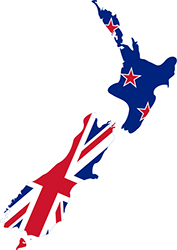
    New ZealandAfter a protracted gestation period, the New Zealand's Patents Act 2013 will take full effect on 13 September 2014.  The new Act represents the first major refresh of New Zealand's patent legislation in 60 years, and brings New Zealand patent law into line with most other countries around the world.  The likely effect of the new law will be to make it more difficult to obtain patent protection in New Zealand, but patents which are granted should be more robust.

    There is presently a window of opportunity to take advantage of the benefits provided by the current law.  In addition, there is likely to be a period of adjustment and uncertainty while the New Zealand patent examiners find the boundaries of the new requirements.  Therefore, those who consider New Zealand to be an important or potential market for their innovations should consider filing prior to the new law taking effect.

    Significant Changes — Examination and Validity

    There are many changes that will be implemented when the new Act takes effect in September.  Some of the main changes introduced will affect examination and how the validity of patent applications is assessed.  These include:

    • Examiners at the Intellectual Property Office of New Zealand (IPONZ) will be able to assess a patent application for inventive step (obviousness) and utility.  They will also be able to rely on prior use when assessing the novelty of any invention.  Currently IPONZ does not examine for inventive step or utility and is unable to rely on prior use.  However, these may be relied on by a third party to challenge the validity of a patent.

    • The novelty and inventive step of an invention will be assessed against matter made available to the public anywhere in the world (absolute novelty), rather than just what was known or used in New Zealand (local novelty).

    • The information contained in the specification and claims of prior filed patent applications with an earlier priority date, but which were not published at the time of filing, may be relied on when considering questions of novelty.  Currently only the claims of such a prior filed patent application may be relied on.

    • The claims of an application must be "supported by" the matter disclosed in the specification.  The test for "support" is likely to involve an assessment of whether the specification describes the invention sufficiently to enable a skilled person to carry out the invention over the full scope of the claims.  This is likely to be a higher standard than presently applied.

    • Some computer program based inventions will not be patentable.  In addition, inventions the use of which would be considered to be contrary to public order may be refused protection.

    • Presently patent examiners give the applicant the "benefit of the doubt" when deciding whether an application meets the requirements of the Act.  Under the new Act, a stricter "balance of probabilities" standard will be applied.

    What Should Applicants Do?

    There is a window of opportunity to take advantage of the lower examination and validity standards provided by the current Act ahead of implementation of the new Act.  In order to do this, applicants will need to file their New Zealand patent applications before 13 September 2014.  This means the final day to file convention applications (i.e., non-PCT National Phase) and New Zealand National Phase applications under the current law is Friday 12 September 2014.  As the time zone in New Zealand is ahead of most of the rest of the world, applicants should ensure they contact a New Zealand patent attorney by Thursday 11 September 2014 if they want to meet the filing deadline.

    If you would like any further information regarding the advantages of filing patent applications before the new law comes into effect, please contact the authors.

    This article is intended to summarise potentially complicated legal issues, and is not intended to be a substitute for individual legal advice.  Please contact a New Zealand IP professional before acting on any information contained in this publication.

    Baldwins* Shelley Rowland is a partner at Baldwins Intellectual Property specializing in the field of biotechnology. She has particular experience in the areas of molecular biology, biochemistry, genetic engineering, and immunology.

    ** Katherine Hebditch is an associate at Baldwins Intellectual Property specializing in the field of chemistry. She has particular experience in the area of human and veterinary pharmaceuticals.

    Image of flag and map of New Zealand (above) by Ozhiker, derivative work by Beao, from the Wikipedia Commons under the Creative Commons Attribution-Share Alike 3.0 Unported license.

  •         By Sherri Oslick —

    Gavel About Court Report:  Each week we will report briefly on recently filed biotech and pharma cases.

    Medicines Company v. Accord Healthcare, Inc. et al.
    1:14-cv-00626; filed July 24, 2014 in the Middle District of North Carolina

    • Plaintiff:  The Medicines Company
    • Defendants:  Accord Healthcare, Inc.; Intas Pharmaceuticals Ltd.

    Infringement of U.S. Patent Nos. 7,582,727 ("Pharmaceutical Formulations of Bivalirudin and Process of Making the Same," issued September 1, 2009) and 7,598,343 (same title, issued October 6, 2009) following a Paragraph IV certification as part of Accord's filing of an ANDA to manufacture a generic version of The Medicines Company's Angiomax® (bivalirudin, used as an anticoagulant in patients with unstable angina undergoing percutaneous translurninal coronary angioplasty).  View the complaint here.


    Bristol-Myers Squibb et al. v. Lupin Ltd.
    2:14-cv-00795; filed July 24, 2014 in the Eastern District of Texas

    • Plaintiffs:  Bristol-Myers Squibb; Gilead Sciences, LLC
    • Defendant:  Lupin Ltd.

    Infringement of U.S. Patent No. 8,598,185 ("Unitary Pharmaceutical Dosage Form," issued December 3, 2013) following a Paragraph IV certification as part of Lupin's filing of an ANDA to manufacture a generic version of Gilead's Atripla® (efavirenz, emtricitabine, and tenofovir disoproxil, used for the treatment of HIV-1 infection) products.  View the complaint here.

    Gilead Sciences, Inc. v. Lupin Ltd.
    2:14-cv-00796; filed July 24, 2014 in the Eastern District of Texas

    Infringement of U.S. Patent Nos. 8,592,397 ("Compositions and Methods for Combination Antiviral Therapy," issued November 26, 2013) and 8,716,264 (same title, issued May 6, 2014) following a Paragraph IV certification as part of Lupin's filing of an ANDA to manufacture a generic version of Gilead's Atripla® (efavirenz, emtricitabine, and tenofovir disoproxil, used for the treatment of HIV-1 infection) products.  View the complaint here.

    Prometheus Laboratories Inc. v. Amneal Pharmaceuticals LLC et al.
    1:14-cv-00968; filed July 23, 2014 in the District Court of Delaware

    • Plaintiff:  Prometheus Laboratories Inc.
    • Defendants:  Amneal Pharmaceuticals LLC; Amneal Pharmaceuticals of New York LLC; Amneal Pharmaceuticals Co. India Pvt. Ltd.

    Infringement of U.S. Patent No. 6,284,770 ("Medicaments for the Treatment of Non-Constipated Female Irritable Bowel Syndrome," issued September 4, 2001) following a Paragraph IV certification as part of Amneal's filing of an ANDA to manufacture a generic version of Prometheus' Lotronex® (alosetron hydrochloride, used to treat women with severe diarrhea-predominant irritable bowel syndrome).  View the complaint here.

    Alcon Pharmaceuticals Ltd et al. v. Watson Laboratories Inc. et al.
    1:14-cv-00970; filed July 23, 2014 in the District Court of Delaware

    • Plaintiffs:  Alcon Pharmaceuticals Ltd; Alcon Research Ltd.
    • Defendants:  Watson Laboratories Inc.; Actavis, Inc.; Actavis Pharma Inc.

    Infringement of U.S. Patent Nos. 6,716,830 ("Ophthalmic Antibiotic Compositions Containing Moxifloxacin," issued April 6, 2004), 7,671,070 ("Method of Treating Ophthalmic Infections with Moxifloxacin Compositions," issued March 2, 2010), and 8,450,311 ("Pharmaceutical Compositions Containing a Fluoroquinolone Antibiotic Drug," issued May 28, 2013) following a Paragraph IV certification as part of Watson's filing of an ANDA to manufacture a generic version of Alcon's Alcon's Moxeza® (moxifloxacin hydrochloride, used to treat bacterial conjunctivitis).  View the complaint here.

    Janssen Pharmaceuticals, Inc. et al. v. Watson Laboratories, Inc.
    2:14-cv-04617; filed July 23, 2014 in the District Court of New Jersey

    • Plaintiffs:  Janssen Pharmaceuticals, Inc.; Grunenthal GmbH
    • Defendant:  Watson Laboratories, Inc.

    Infringement of U.S. Patent Nos. RE39,593 ("1-Phenyl-3-Dimethylaminopropane Compounds With a Pharmacological Effects," issued April 24, 2007) and 7,994,364 ("Crystalline Forms of (-)-(1R,2R)-3-(3-Dimethylamino-1-Ethyl-2-Methylpropyl)-Phenol Hydrochloride," issued August 9, 2011), licensed to Janssen, following a Paragraph IV certification as part of Watson's filing of an ANDA to manufacture a generic version of Janssen's Nucynta® (tapentadol hydrochloride, used for the management of moderate to severe acute pain in adults).  View the complaint here.


    Janssen Products, L.P. et al. v. Mylan Pharmaceuticals Inc. et al.
    2:14-cv-04550; filed July 18, 2014 in the District Court of New Jersey

    • Plaintiffs:  Janssen Products, L.P.; Janssen R&D Ireland
    • Defendants:  Mylan Pharmaceuticals Inc.; Mylan Inc.

    Infringement of U.S. Patent No. 8,153,829 ("Methods for the Preparation of Hexahydrofuro[2,3-b]furan-3-ol," issued April 10, 2012) in conjunction with Mylan's filing of an ANDA to manufacture a generic version of Janssen's Prezista® (darunavir, used to treat human immunodeficiency virus (HIV-1) infection).  View the complaint here.

    AbbVie Inc. v. Aurobindo Pharma Ltd. et al.
    1:14-cv-00959; filed July 18, 2014 in the District Court of Delaware

    • Plaintiff:  AbbVie Inc.
    • Defendants:  Aurobindo Pharma Ltd.; Aurobindo Pharma USA Inc.

    Infringement of U.S. Patent Nos. 7,148,359 ("Polymorph of a Pharmaceutical," issued December 12, 2006), 7,364,752 ("Solid Dispersion Pharmaceutical Formulations," issued April 29, 2008), 8,399,015 ("Solid Pharmaceutical Dosage Form," issued March 19, 2013), and 8,691,878 (same title, issued April 8, 2014) following a Paragraph IV certification as part of Aurobindo's filing of an ANDA to manufacture a generic version of AbbVie's Norvir® (ritonavir, used to treat human immunodeficiency virus (HIV) infection).  View the complaint here.

    Acorda Therapeutics Inc. et al. v. Apotex Corp. et al.
    1:14-cv-00955; filed July 18, 2014 in the District Court of Delaware

    • Plaintiffs:  Acorda Therapeutics Inc.; Alkermes Pharma Ireland Ltd.
    • Defendants:  Apotex Corp.; Apotex Inc.

    Acorda Therapeutics Inc. et al. v. Teva Pharmaceuticals USA Inc.
    1:14-cv-00941; filed July 17, 2014 in the District Court of Delaware

    • Plaintiffs:  Acorda Therapeutics Inc.; Alkermes Pharma Ireland Ltd.
    • Defendant:  Teva Pharmaceuticals USA Inc.

    The complaints in these cases are substantially identical.  Infringement of U.S. Patent Nos. 5,540,938 ("Formulations and Their Use in the Treatment of Neurological Diseases," issued July 30, 1996), 8,007,826 ("Sustained Release Aminopyridine Composition," issued August 30, 2011), 8,354,437 ("Method of Using Sustained Release Aminopyridine Compositions," issued January 15, 2013), 8,440,703 (same title, issued May 14, 2013), and 8,663,685 ("Sustained Release Aminopyridine Composition," issued March 4, 2014) following a Paragraph IV certification as part of defendants' filing of an ANDA to manufacture a generic version of Acorda's Ampyra® (dalfampridine extended release, used to improve walking in patients with multiple sclerosis).  View the Teva complaint here.

    Salix Pharmaceuticals Ltd. et al. v. Par Pharmaceutical Companies Inc. et al.
    1:14-cv-00946; filed July 17, 2014 in the District Court of Delaware

    • Plaintiffs:  Salix Pharmaceuticals Ltd.; Salix Pharmaceuticals Inc.; Glycyx Pharmaceuticals Ltd.
    • Defendants:  Par Pharmaceutical Companies Inc.; Par Pharmaceutical Inc.

    Infringement of U.S. Patent Nos. 6,197,341 ("Formulations of Balsalazide and Its Derivatives," issued March 6, 2001) and 8,497,256 ("Formulations and Uses of 2-Hydroxy-5-Phenylazobenzoic Acid Derivatives for the Treatment of Males," issued July 30, 2013) following a Paragraph IV certification as part of Par's filing of an ANDA to manufacture a generic version of Salix's Giazo® (balsalazide disodium, used for the treatment of mildly to moderately active ulcerative colitis in male patients 18 years of age and older).  View the complaint here.

  • By Donald Zuhn —

    USPTO SealOn March 4, the U.S. Patent and Trademark Office issued a guidance memorandum entitled "Guidance For Determining Subject Matter Eligibility Of Claims Reciting Or Involving Laws of Nature, Natural Phenomena, & Natural Products" (or "Myriad-Mayo Guidance") to implement a new procedure for determining the subject matter eligibility of claims under 35 U.S.C. § 101 in view of the Supreme Court's decisions in Association for Molecular Pathology v. Myriad Genetics, Inc. (2013), and Mayo Collaborative Services v. Prometheus Laboratories, Inc. (2012).  At a biotechnology/chemical/pharmaceutical (BCP) customer partnership meeting in April, the Office announced that it would be hosting a public forum in May to receive public feedback on the Guidance, and at that forum encouraged shareholders to submit written comments on the Guidance.  The original "end of June" deadline for submitting comments on the Guidance was subsequently extended to July 31.  With that extended deadline now passed, Patent Docs will focus on selected comments in a series of posts.

    The Office has posted the comments that were submitted on the USPTO website.  The comments are divided into five groups (with the number of submissions in each group also provided):  Intellectual property organizations and other associations (18), academic and research institutions (7), law firms (6), companies (9), and individuals (42).  Today, we examine the comments submitted by the American Civil Liberties Union (ACLU).

    ACLUThe ACLU begins its comments letter by noting the organization's role in the sequence of events that led to the creation of the Guidance — i.e., as petitioners in the Association for Molecular Pathology v. Myriad Genetics, Inc. case.  While "commend[ing] the PTO for releasing guidance that synthesizes the Supreme Court case law on Section 101 of the Patent Act," the ACLU offers two recommendations for amendments to the Guidance and spends the last page of its letter addressing the Office's "Preliminary Examination Instructions in view of the Supreme Court Decision in Alice Corporation Pty. Ltd. v. CLS Bank International, et al.," which were issued on June 25.

    Before outlining its recommendations, the ACLU indicates its support for the Office's "expansive" view of the subject matter to be assessed under the Guidance — i.e., encompassing more than the nucleic acid molecules at issue in Myriad.  Stating that "[t]he Guidance correctly recognizes that the PTO must apply the Supreme Court's decisions to all patent applications that may claim products and laws of nature," the ACLU argues that "[w]hile Myriad examined nucleic acids, the reasoning of the Court was not limited to nucleic acids."  Noting that the Myriad Court "relied heavily on the standards it previously articulated in Diamond v. Chakrabarty, 447 U.S. 303 (1980), and Funk Bros. Seed. Co. v. Kalo Inoculant Co., 333 U.S. 127 (1948) — namely, that the claimed composition must have 'a distinctive name, character, and use,' 'markedly different characteristics from any found in nature,' and that the 'invention' must be more than 'the discovery of the natural principle itself,'" the ACLU contends that "the body of Supreme Court case law on Section 101 must be examined together, as each case often relies on and further elaborates on earlier cases."

    In the ACLU's opinion, however, the Guidance is not without fault, and the organization offers two recommendations for amendments the Office could make to the Guidance.  First, the ACLU suggests that "Section 101 patent eligibility must turn on both the structure and function of a claimed composition."  In particular, the ACLU argues that "[t]he Guidance examines only the structure of a claimed product, but a close reading of the Court's decisions lays out the requirement that the composition must have markedly different characteristics from any found in nature in both structure and function" (emphasis in original). Looking to past Supreme Court decisions, the letter contends that:

    [T]he Funk Bros. bacteria arguably had a different "character," as the strains of bacteria did not appear together in nature.  But the function — their ability to fix nitrogen without inhibiting each other — was not invented by the patentee.  The fruit in American Fruit Growers had a different structure — borax in the rind — but not a different function; it was still intended for human consumption.  . . .  The Chakrabarty bacterium had both a markedly different structure and function than any found in nature.

    Second, the ACLU indicates that the organization is "concerned that the factor-weighing analysis laid out in the Guidance does not comport with the Supreme Court's Section 101 decisions and will only confuse the analysis."  Explaining that "[t]he [Supreme] Court generally makes its Section 101 determinations by evaluating whether what is claimed has markedly different characteristics from any found in nature, or whether there is an inventive concept," the ACLU argues that "[t]here may be different components to each of these evaluations, but they should not be parsed out as individual elements of the Section 101 question," adding that "[w]eighing multiple factors on each side of the Section 101 threshold introduces the likelihood that a claim will meet several competing factors for or against eligibility and muddle the analysis."

    The ACLU letter closes by turning to the Office's Preliminary Examination Instructions, noting that "[a]s the PTO revisits its guidance on abstract ideas, we provide some thoughts to help inform its analysis."  Among those thoughts are the following:  (1) agreement with the Office's position that the Court's case law does not set up different Section 101 standards for abstract ideas versus laws of nature (or products of nature); (2) guidance on abstract ideas should not permit any patents that claim mental thought or steps; (3) the Office should not rely on the inclusion of a machine in patent claims.

    The ACLU concludes its letter by declaring that "Section 101 issues are of particular significance to the wider public as they are at the heart of the constitutional mandate that patents 'promote the progress of Science and useful Arts,' rather than impede it."

    Patent Docs will examine other Guidance comments in subsequent posts.

  •         By Sherri Oslick —

    Gavel About Court Report:  Each week we will report briefly on recently filed biotech and pharma cases.

    Roche Molecular Systems, Inc. v. Cepheid
    3:14-cv-03228; filed July 16, 2014 in the Northern District of California

    Infringement of U.S. Patent No. 5,643,723 ("Detection of a Genetic Locus Encoding Resistance to Rifampin in Mycobacterial Cultures and in Clinical Specimens," issued July 1, 1997) based on Cepheid's sale and offer for sale of its "Xpert® MTB/RIF Assay," an assay for detecting Mycobacterium tuberculosis (MTB) in a biological sample and identifying rifampicin-resistant MTB.  View the complaint here.

    Gilead Sciences, Inc., et al. v. Lupin Ltd.
    1:14-cv-05352; filed July 16, 2014 in the Southern District of New York

    • Plaintiffs:  Gilead Sciences, Inc.; Emory University
    • Defendant:  Lupin Ltd.

    Infringement of U.S. Patent Nos. 6,642,245 ("Antiviral Activity and Resolution of 2-Hydroxymethyl-5-(5-fluorocytosin-1-yl)-l,3-oxathiolane," issued November 4, 2003) and 6,703,396 ("Method of Resolution and Antiviral Activity of 1,3-Oxathiolane Nucleoside Enantiomers," issued March 9, 2004) following Paragraph IV certifications as part of Lupin's filing of an ANDA to manufacture a generic version of Gilead's Atripla® (efavirenz, emtricitabine, and tenofovir disoproxil, used for the treatment of HIV-1 infection) products.  View the complaint here.

    Acorda Therapeutics Inc., et al. v. Mylan Pharmaceuticals Inc., et al.
    1:14-cv-00935; filed July 16, 2014 in the District Court of Delaware

    • Plaintiffs:  Acorda Therapeutics Inc.; Alkermes Pharma Ireland Ltd.
    • Defendants:  Mylan Pharmaceuticals Inc.; Mylan Inc.

    Acorda Therapeutics Inc. et al. v. Accord Healthcare Inc. et al.
    1:14-cv-00932; filed July 15, 2014 in the District Court of Delaware

    • Plaintiffs:  Acorda Therapeutics Inc.; Alkermes Pharma Ireland Ltd.
    • Defendants:  Accord Healthcare Inc.; Intas Pharmaceuticals Ltd.

    Acorda Therapeutics Inc. et al. v. Roxane Laboratories Inc. et al.
    1:14-cv-00922; filed July 14, 2014 in the District Court of Delaware

    • Plaintiffs:  Acorda Therapeutics Inc.; Alkermes Pharma Ireland Ltd.
    • Defendants:  Roxane Laboratories Inc.; Boehringer Ingelheim Roxane Inc.

    The complaints in these cases are substantially identical.  Infringement of U.S. Patent Nos. 5,540,938 ("Formulations and Their Use in the Treatment of Neurological Diseases," issued July 30, 1996), 8,007,826 ("Sustained Release Aminopyridine Composition," issued August 30, 2011), 8,354,437 ("Method of Using Sustained Release Aminopyridine Compositions," issued January 15, 2013), 8,440,703 (same title, issued May 14, 2013), and 8,663,685 ("Sustained Release Aminopyridine Composition," issued March 4, 2014) following a Paragraph IV certification as part of defendants' filing of an ANDA to manufacture a generic version of Acorda's Ampyra® (dalfampridine extended release, used to improve walking in patients with multiple sclerosis).  View the Roxane complaint here.

    Alcon Pharmaceuticals Ltd et al. v. Aurobindo Pharma Ltd. et al.
    1:14-cv-00930; filed July 15, 2014 in the District Court of Delaware

    • Plaintiffs:  Alcon Pharmaceuticals Ltd; Alcon Research Ltd.
    • Defendants:  Aurobindo Pharma Ltd.; Aurobindo Pharma USA Inc.

    Infringement of U.S. Patent Nos. 6,716,830 ("Ophthalmic Antibiotic Compositions Containing Moxifloxacin," issued April 6, 2004) and 7,671,070 ("Method of Treating Ophthalmic Infections with Moxifloxacin Compositions," issued March 2, 2010) following a Paragraph IV certification as part of Aurobindo's filing of an ANDA to manufacture a generic version of Alcon's Vigamox® (moxifloxacin hydrochloride, used to treat bacterial conjunctivitis).  View the complaint here.

    Jazz Pharmaceuticals, Inc. v. Ranbaxy Laboratories Ltd. et al.
    2:14-cv-04467; filed July 15, 2014 in the District Court of New Jersey

    • Plaintiff:  Jazz Pharmaceuticals, Inc.
    • Defendants:  Ranbaxy Laboratories Ltd.; Ranbaxy Inc.

    Infringement of U.S. Patent Nos. 6,472,431 ("Microbiologically Sound and Stable Solutions of Gamma-Hydroxybutyrate Salt for the Treatment of Narcolepsy," issued October 29, 2002), 6,780,889 (same title, issued August 24, 2004), 7,262,219 (same title, issued August 28, 2007), 7,851,506 (same title, issued December 14, 2010 ("Sensitive Drug Distribution System and Method" issued February 22, 2011), 8,263,650 ("Microbiologically Sound and Stable Solutions of Gamma-Hydroxybutyrate Salt for the Treatment of Narcolepsy,"  issued September 11, 2012), 8,324,275 (same title,  issued December 4, 2012), 8,461,203 ("Microbiologically Sound and Stable Solutions of Gamma-Hydroxybutyrate Salt for the Treatment of Narcolepsy," issued June 11, 2013), 7,668,730 ("Sensitive Drug Distribution System and Method," issued February 23, 2010), 7,765,106 (same title, issued July 27, 2010), 7,765,107 (same title, issued July 27, 2010), 7,895,059 (same title, issued February 22, 2011), 8,457,988 (same title, issued June 4, 0213), 8,589,182 (same title, issued November 19, 2013), and 8,731,963 (same title, issued May 20, 2014) following a Paragraph IV certification as part of Ranbaxy's filing of an ANDA to manufacture a generic version of Jazz's Xyrem® (sodium oxybate, used to treat narcolepsy).  View the complaint here.

    Senju Pharmaceutical Co. Ltd. et al. v. Actavis Inc. et al.
    1:14-cv-00923; filed July 14, 2014 in the District Court of Delaware

    • Plaintiffs:  Senju Pharmaceutical Co. Ltd.; Kyorin Pharmaceutical Co. Ltd.; Allergan Inc.
    • Defendants:  Actavis Inc.; Actavis Pharma Inc.; Watson Laboratories Inc.

    Infringement of U.S. Patent No. 6,333,045 ("Aqueous Liquid Pharmaceutical Composition Comprised of Gatifloxacin," issued December 25, 2001) following a Paragraph IV certifications as part of Actavis' filing of an ANDA to manufacture a generic version of Allergan's Zymar® (0.3 w/v % gatifloxacin ophthalmic solution, used for the treatment of bacterial conjunctivitis) and of Allergan's Zymaxid® (0.5 w/v % gatifloxacin ophthalmic solution, used to treat bacterial conjunctivitis).  View the complaint here.

    Eli Lilly and Company et al. v. First Time US Generics LLC
    1:14-cv-01168; filed July 14, 2014 in the Southern District of Indiana

    • Plaintiffs:  Eli Lilly and Company; Daiichi Sankyo Co., Ltd.; Daiichi Sankyo, Inc.; Ube Industries, Ltd.
    • Defendant:  First Time US Generics LLC

    Infringement of of U.S. Patent Nos. 8,404,703 ("Medicinal Compositions Containing Aspirin," issued March 26, 2013) and 8,569,325 ("Method of Treatment with Coadministration of Aspirin and Prasugrel," issued October 29, 2013) following a Paragraph IV certification as part of First Time's filing of an ANDA to manufacture a generic version of Lilly's Effient® (prasugrel hydrochloride, to be used in combination with aspirin for the reduction of thrombotic cardiovascular events in certain patients with acute coronary syndrome (ACS) who are to be managed with percutaneous coronary intervention).  View the complaint here.

  • ABA JournalThe ABA Journal has begun work on its 8th annual list of the 100 best legal blogs (or blawgs) and has announced that it is seeking the advice of its readers, via the ABAJournal.com website, on which blogs to include on this year's Blawg 100.  For the past two years, Patent Docs has been honored to be included among the five blogs selected in the IP Law category of the Blawg 100 (see "ABA Journal Announces 2012 Blawg 100" and "ABA Journal Announces 2013 Blawg 100").

    Readers interested in nominating a particular blog for the 8th annual Blawg 100 should use the ABA Journal's blawg 100 amici form.  Additional information about the Blawg 100 can also be found on the blawg 100 amici form.  The form requires that anyone making a nomination provide a name, employer or law school, city, and e-mail address.  The ABA Journal requires this information in order to discourage:

    • Bloggers who nominate their own blogs or nominate blogs to which they have previously contributed posts.
    • Employees of law firms who nominate blogs written by their co-workers.
    • Public relations professionals in the employ of lawyers or law firms who nominate their clients' blogs.
    • Pairs of bloggers who have clearly entered into a quid pro quo agreement to nominate each other.

    The ABA Journal, however, welcomes comments (up to 500 words in length) from readers who do not fall into the above categories.

    2013_Blawg100_HorizBadgeFavIn addition, the ABA Journal is encouraging readers to keep the following criteria in mind when nominating blogs:

    • The ABA Journal is primarily interested in blogs in which the author is recognizable as someone working in a legal field or studying law in the vast majority of his or her posts.
    • The blog should offer insights into the practice of law and be of interest to legal professionals or law students.
    • The majority of the blog's content should be unique to the blog and not cross-posted or cut and pasted from other publications.
    • The ABA Journal is not interested in blogs that more or less exist to promote the author's products and services.

    Nominations must be submitted no later than 5:00 pm (EST) on Friday, August 8, 2014.

  • By Kevin E. Noonan —

    Roslin Institute"The more things change . . ." is the beginning of an old saw, and that saying has particular relevance just days after the USPTO stopped accepted comments on its Subject Matter Eligibility Guidance.  After all, this isn't the first time the Patent Office pendulum has swung against patenting (Don Chisum's "No Patent and Trademark Office" remark is legend) and it's likely to swing back again.  But in the meantime, to do the best for their clients, patent professionals need to exercise their skills to get claims granted that do what claims are designed to do:  provide a competitive advantage that supports a sufficient return so that there will be investment for commercializing the technology.

    An example of how this might be done comes from the Roslin case regarding claims to "Dolly," the "cloned" sheep (see "In re Roslin Institute (Fed. Cir. 2014)").  To recap, the patent application at issue, U.S. Patent Application No. 09/225,233, was related to granted U.S. Patent No. 7,514,258 that claimed a somatic cell nuclear transfer method for producing Dolly, involving removing a somatic cell nucleus that has been arrested in the quiescent phase of the cell cycle and implanting that nucleus into an enucleated oocyte.  The patent eligibility of these claims was not at issue; the claims in the '233 application, on the other hand, were directed to the product of this cloning method.  Claim 155 is representative:

    155.  A live-born clone of a pre-existing, nonembryonic, donor mammal, wherein the mammal is selected from cattle, sheep, pigs, and goats.

    The Examiner, PTAB, and the Federal Circuit determined that the claims of the '233 application were not patent eligible because, in the end, what was claimed was just a sheep (or a pig, or a cow or a goat) that was not "markedly different [from what is] found in nature."  "Dolly herself is an exact genetic replica of another sheep and does not possess 'markedly different characteristics from any [farm animals] found in nature,'" and thus, "Dolly's genetic identity to her donor parent renders her unpatentable," according to Judge Dyk's Federal Circuit opinion.

    And of course, that is accurate:  while there are instances of recombinant animals that differ from naturally occurring animals (SCID mice comprising a human immunoglobulin genetic complement, cows that produce hormones in their milk, pigs used to produce human organs), the advantage of sheep like Dolly is their genetic homogeneity which, for an individual sheep is just a genetic complement like any other genetic complement in an individual.

    Of course, the advantage of a sheep like Dolly is not in the individual sheep, but in the ability to produce a flock of sheep (or a herd of cattle or a tribe of goats or a drove of pigs), all of which have the same homogeneous genetic complement.  (It will be recognized that such a collection of genetically identical individuals also has disadvantages, being essentially the quintessence of an inbred population.)  There is also an advantage of perpetuating this genetic identity from generation to generation without the dilution of the genotype that is inevitable due to mammalian mating (not only from genetic mixing from mating but from recombination that occurs during the production of gametes per se).

    This reality (and the advantages of this population and temporal genetic homogeneity) suggest how this technology can be claimed.  For example:

    A flock (herd/tribe/drove) of sheep (cow/goats/pigs) wherein each member of said flock (herd/tribe/drove) has a genetic complement that is identical to every other member of said flock (herd/tribe/drove).

    A flock (herd/tribe/drove) of sheep (cow/goats/pigs) having a genetic complement that is perpetuated identically in at least two successive generations.

    The question, of course, is whether such claims have the value that the claims invalidated by the Federal Circuit in In re Roslin would have had if deemed patent eligible, i.e., claims to the individual sheep or other mammalian species.  Clearly that claim is directed to one mammalian individual whereas the claims proposed herein are directed to a plurality of individuals making up the herd, etc.  But while there can be value in perpetuating an individual prize bull by cloning (for example), there is even greater economic value in a plurality of such cloned animals.  And relying on the distinction between an individual and a herd provides the grounds for arguing that what is claimed is "markedly different [from what is] found in nature."

    These suggestions are not meant to be exhaustive, but they are intended to illuminate a path by which patent practitioners, the "clever draftsman" bogeyman of the patent system according to Justice Breyer, can use the art of patent claiming not to procure exclusivity rights greater than an inventor deserves but to fashion the scope of the patent right to both pass muster under the heightened scrutiny that "products of nature" will be subject to (regardless of how the Office may modify the Guidances in response to public input) and provide meaningful (if not the most expansive) protection.  Which is pretty much all that we can ask.