• CalendarSeptember 11, 2018 – "How Notre Dame's IDEA Center Took University Start-Up Formation from Puny to Powerhouse: A Case Study in Performance Improvement" (Technology Transfer Tactics) – 1:00 pm to 2:00 pm (ET)

    September 12, 2018 – "Evolving PTAB Trial Practice: Navigating Complex Procedural Rules — Strategically Using Routine and Additional Discovery, Requests for Joinder, and Motions to Amend" (Strafford) – 1:00 to 2:30 pm (EDT)

    September 13, 2018 – "Blockchain and IP: Navigating Emerging Issues — Blockchain, DLT Platforms, Crypto-Tokens, Smart Contracts, and More" (Strafford) – 1:00 to 2:30 pm (EDT)

    September 13, 2018 – "The Revised PTAB Trial Practice Guide and Its Impact on Your Practice" (The Intellectual Property Owners Association) -  2:00 to 3:00 pm (ET)

    September 14, 2018 – "Trade Secrets: What Every IP Attorney and In-house Counsel Should Know" (John Marshall Law School Center for Intellectual Property, Information & Privacy Law ) – 9:00 am to 4:30 pm, Chicago, IL

    September 18, 2018 – "The Continued Influence of PTAB Proceedings on Bio/Pharma Patents" (McDonnell Boehnen Hulbert & Berghoff LLP) – 10:00 am to 11:15 am (CT)

    September 18, 2018 – "3D Printing: Implications for Patents, Trademarks, Trade Secrets and Copyrights — Challenges With Additive Manufacturing, Policing and Enforcement Strategies to Protect IP" (Strafford) – 1:00 to 2:30 pm (EDT)

    September 21, 2018 – "USPTO Post-Grant Patent Trials 2018: Change & Recalibration" (Practising Law Institute) – New York & Groupcasts in Philadelphia, Indianapolis, New Brunswick, NJ, Pittsburgh, and Mechanicsburg, PA

    September 23-25, 2018 – Annual Meeting (Intellectual Property Owners Association) – Chicago, IL


    September 24, 2018 – Biotechnology/chemical/pharmaceutical (BCP) customer partnership meeting (U.S. Patent and Trademark Office) – Alexandria, VA

    September 26, 2018 – "IP Audit Checklist: Best Practices to Identify, Protect, Monetize and Enforce University IP Assets" (Technology Transfer Tactics) – 1:00 pm to 2:00 pm (ET)

    September 27-28, 2018 – "Advanced Patent Prosecution Workshop 2018: Claim Drafting & Amendment Writing" (Practising Law Institute) – Chicago, IL

    September 27-28, 2018 – FDA Boot Camp (American Conference Institute) – Boston, MA

    October 2, 2018 – "Advice of Counsel Defense in Patent Litigation and Protecting Attorney-Client Privilege — Limiting Scope of Discovery, Safeguarding Confidential Communications and Information" (Strafford) – 1:00 to 2:30 pm (EDT)

    October 2-3, 2018 – Paragraph IV Disputes master symposium (American Conference Institute) – Chicago, IL

  • IPO #2The Intellectual Property Owners Association (IPO) will offer a one-hour webinar entitled "The Revised PTAB Trial Practice Guide and Its Impact on Your Practice" on September 13, 2018 from 2:00 to 3:00 pm (ET).  Hon. Michael Tierney, Lead Administrative Patent Judge, Patent Trial and Appeal Board, U.S. Patent and Trademark Office; Tarek Fahmi of Ascenda Law Group; and Eliot Williams of Baker Botts LLP will discuss the reasoning behind recent changes to the PTAB Trial Practice Guide and explain how these revisions will impact PTAB practice.  Among the major revisions to the Guide that will be addressed, are:

    • The introduction of a sur­reply to
the prior sequence of briefs
    • The circumscribed role to be played by expert evidence
    • The introduction of a new prehearing conference call, which some commentators predict has the potential to be as important as the main oral hearing
    • Clarifications regarding motions to strike and motions to exclude

    The registration fee for the webinar is $135 (government and academic rates are available upon request).  Those interested in registering for the webinar can do so here.

  • USPTO Building FacadeThe U.S. Patent and Trademark Office will be holding its next biotechnology/chemical/pharmaceutical (BCP) customer partnership meeting on September 24, 2018 at the USPTO Headquarters (Alexandria, VA).  The agenda for the meeting is as follows:

    • Welcoming and Opening Remarks (10:00 – 10:10 am EDT) – Gary Jones, Daniel Sullivan, and Andrew Wang, Directors, TC1600, USPTO

    • Obviousness of Biologics: Identifying the Biggest Challenges (10:10 – 11:00 am) — Carla Mouta-Bellum of Arrigo, Lee, Guttman & Mouta-Bellum LLP

    • Exemplary Obviousness Rationales Suggested in KSR (11:00 – 11:50 am) — Lora Driscoll, QAS, TC1600, USPTO

    • Lunch (11:50 am – 12:50 pm)

    • 112(f)-New Form Paragraphs (12:50 – 1:40 pm) — Marjorie Moran, QAS, TC1600, USPTO

    • Requirements for Information Under 37 CFR 1.105 and Responses to Said Requirements (1:40 – 2:40 pm) — Amjad Abraham, SPE, and Shubo (Joe) Zhou, SPE, TC1600, USPTO

    • Break (2:40 – 3:00 pm)

    • Accidental Infringement: the need for additional limitations in plant utility claims directed to chemical profiles or cultivars (3:00 – 3:50 pm) — Reggie Gaudino, Chief Science Officer, Steep Hill Labs, Inc.

    • Closing Remarks (3:50 – 4:00 pm) – Directors, TC1600, USPTO

    Additional information regarding the BCP customer partnership meeting, including registration information for those wishing to attend the meeting or register for online participation, can be found here.

  • IPO Brochure CoverThe Intellectual Property Owners Association (IPO) will be holding its 46th Annual Meeting on September 23-25, 2018 in Chicago, IL.  Among the presentations being offered at the annual meeting are:

    • A Year in Review: Patent Case Law Update
    • AIA Estoppel: A New Flavor of Collateral Estoppel and/or Res Judicata?
    • The Intersection of IP and Open Source
    • Navigating the E-Discovery Minefield; International Litigation and Availability of Discovery Under 28 U.S.C. §1782
    • Business Methods (computer implemented inventions) Workshop
    • The Supreme AIA Update: A Triple-Header
    • The Practice of IP Law in the Age of Machine Learning, Knowledge Management, and Blockchain
    • Protecting Your Trade Secrets in Todays' Global Village
    • How Corporations Hedge Against Emerging Technology
    • Protecting Software in the Pharmaceutical and Health Care Industries
    • Global Dossier
    • Strategies for Addressing Gender Disparity in Patenting
    • Managing Risks of Willful Infringement: Practical Considerations and Guidelines
    • Attorney-Client Privilege: Considerations for General Communications and Communications During Patent Preparation and Prosecution
    • Time to Call 911 (Emergency!) on 101: Is Patent Eligibility Doctrine Undermining U.S. Leadership in Innovation?
    • Finding Common Ground: Best Practices for Efficiently Prosecuting Patent Applications at the USPTO
    • Portfolio Management: Strategy and Value Behind IP Audits
    • Ethics Session: Conflicts of Interest

    In addition, Andrei Iancu, Under Secretary of Commerce for Intellectual Property and Director of the U.S. Patent and Trademark Office will present a keynote address on September 24, and Hon. Kathleen O'Malley, Circuit Judge, U.S. Court of Appeals for the Federal Circuit will present a keynote address on September 25.

    A program for the meeting, including an agenda, descriptions of the scheduled sessions, and list of speakers, can be obtained here.

    The registration fee for the meeting is $500 (government/academic), $995 (IPO members), or $1,675 (non-members).  Those interested in registering for the meeting can do so here.

  • Strafford #1Strafford will be offering a webinar entitled "3D Printing: Implications for Patents, Trademarks, Trade Secrets and Copyrights — Challenges With Additive Manufacturing, Policing and Enforcement Strategies to Protect IP" on September 18, 2018 from 1:00 to 2:30 pm (EDT).  Elizabeth D. Ferrill of Finnegan Henderson Farabow Garrett & Dunner, Christopher Higgins of Orrick Herrington & Sutcliffe, and Marc H. Trachtenberg of Greenberg Traurig will examine 3D printing and its current and potential implications for patents, trademark, trade dress, trade secret, and copyrights, and offer guidance for developing enforcement strategies to police and protect IP rights in the emerging world of additive manufacturing.  The webinar will review the following issues:

    • How does 3D printing of products impact different types of intellectual property?
    • When determining which type of protection to seek, what factors related to 3D printing should IP counsel consider?
    • What steps should counsel take to police and protect IP in light of 3D printing?

    The registration fee for the webcast is $297.  Those interested in registering for the webinar, can do so here.

  • By Shin Hee Lee* and Anthony D. Sabatelli** —

    The global hair coloring product market is projected to grow into a 200 billion-dollar industry by 2025.  Coty reported in 2017 that more than half of all women color their hair regularly.  For example, these figures have reached 62% in the United States, 67% in the United Kingdom, 69% in Germany, and 88% in Russia.  An in-depth data analysis reported by Grand View Research, Inc. attributes this rapid growth to a global increase in the aging population, environmental insults such as air pollution, and new trends in the fashion industry.  Alongside the other lucrative sectors in the beauty industry that were discussed in our previous articles, "Patent Beauty: IP and the Cosmeceutical Industry" and "Patent Beauty: IP and Hair Care Products", the hair coloring sector also deserves a great amount of attention, especially in view of advancing technologies and the intellectual property covering it.

    Hair coloring products are categorized into three types:  temporary dyes, semi-permanent dyes, and permanent (oxidative) hair dyes.  Temporary dyes generally wash away after 1 or 2 shampooings because they only cover the surface of the hair.  Semi-permanent dyes penetrate into the hair shaft and can last up to 10 washings.  Permanent hair dyes chemically modify the hair shaft.  These dyes use oxidizing amines and phenols in combination with hydrogen peroxide to deliver penetrating dyes into the cortex of the hair.  Consumers can therefore choose the type of dye based on their needs, widely ranging from covering gray hair, creating highlights, providing subtle tone-up of the natural color, to performing a complete color transformation.  User-friendly coloring packs with step-by-step instructions are accessible for home use, whereas other consumers prefer having professional coloring done in a salon setting.

    Hair coloring products have a long history.  In ancient times people colored their hair with various plant extracts, but this often resulted in darkening the hair resulting in unpredictable colors.  Those seeking to lighten their hair resorted to harsh chemical treatments including caustic compounds.  In 1907, Eugene Schueller, a French chemist and founder of L'Oréal, introduced chemical hair dyes that enabled a large variety of colors and desirable results.  Coty, Henkel, Kao Corporation, Avon Products, Revlon, Goldwell, Wella, and Combe also joined the market and have become major vendors of hair coloring products.  These companies have not only been developing hair dye compounds, but also convenient methods for coloring the hair such as compact kits and specially designed dye applicators.

    Despite the effectiveness of chemical colorants, consumers have been concerned about hair damage as well as the potential health risks associated with their use.  These concerns have encouraged consumers to seek more natural and organic hair dyes.  A United States patent granted to the Natural Medicine Institute of Zhejiang Yangshentang in Hangzhou (US 9,345,654 B2) reports a natural dye product made of plant polyphenols, gardenia blue, cocoa pigment, purple sweet potato pigment, purple cabbage pigment or algae blue pigment.  A very intriguing hair dyeing composition was highlighted in the New York Times[1] a few months ago.  These compositions utilize graphene-based hair dyes developed by the Huang group of Northwestern University.  Graphene is a single atom thick layer of carbon in a molecular state, i.e., a very thin graphite layer.  It is a naturally dark material that creates a natural-looking black hair shade, something which has long been a challenge in the hair-dye industry.  This graphene hair dye is reported to exhibit durability comparable to permanent hair dyes, and may be more easily applied by spraying, brushing, and then drying.

    Natural and organic dyes are safe alternatives to existing synthetic dyes, but render a limited number of hair color options.  Researchers have been developing non-toxic synthetic dye molecules that are capable of achieving both safe and large array of hair colors.  Clairol, a Coty-owned brand, introduced an "allergy gentle" hair dye molecule called ME+ (2-methoxymethyl-p-phenylenediamine) in 2013.  It replaces two existing synthetic dye molecules (phenylenediamine and toluenediamine) that are in 90 percent of the permanent hair coloring products and which are believed responsible for most common hair dye allergies.

    Silicone technology and silicone-based polymers have found their way into a number of hair coloring products.  Many colorant packages include complementary conditioning and/or treatment hair conditioners comprised of silicone-based materials to minimize damage caused by the chemical dyes.  For example, the Procter & Gamble Company patented a process and kit for improved hair conditioning after coloring that utilizes functionalized silicones to condition oxidatively-treated hair (US 7,393.365 B2).  Procter & Gamble also disclosed a soluble solid hair coloring article containing, but not limited to, silicone-based polymers (US 8,444,716 B1).

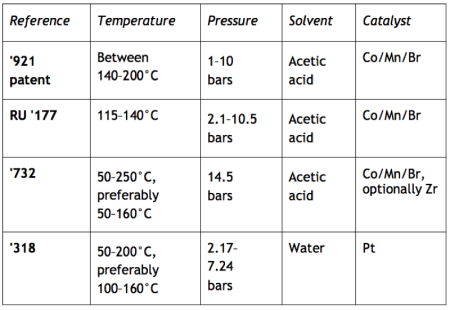
    Today, the novelty hair colorant market is arguably one of the largest profit sectors within the hair coloring market.  This market is expected to grow at a fast compound annual growth rate of over 20%.  Vibrant, blonde, brown, red, paste, metallic, ombre, highlights, balayage (a graduated highlighting effect), color melting, and black are the main categories for these novelty products.  Even the names of the hair colors themselves are extending from conventional terminologies to creative ones such as Iced Caramel Latte, Blackberry, Hollywood Opal, Bright Butterbeer, and many more.  Phillip Pelusi, a hair care expert, recently stated that "besides mastering the formulation and application techniques, keeping the color molecules intact longer will be the next biggest challenge for stylists and guests alike."  Whether it is a temporary dye or a permanent dye, preserving a new hair color while keeping the hair healthy still remains a big challenge for hair coloring developers.  Below are some patents for various hair coloring technologies.

    Table 1a Table 1b

    [1] Kaplan, "In Search of the Perfect Hair Dye," posted on the New York Times — reports on newly discovered graphene-based pigments by Dr. Jianxing Huang of Northwestern University.

    * Shin Hee Lee is a Ph.D. Candidate in the Chemistry Department at Yale University.  She is currently associated with the Yale Energy Sciences Institute, where she specializes in organic synthesis of novel light-harvesting dye molecules for solar cells.  Prior to attending Yale, Shin Hee obtained her B.S. in Chemistry with High Honors at the University of Michigan – Ann Arbor, during which she published patents and papers on developing synthetic methodologies for fluorinated small molecules.
    ** Dr. Sabatelli is a Partner with Dilworth IP

    For additional information regarding this topic, please see:

    • "Patent Beauty: IP and the Cosmeceutical Industry," May 3, 2018
    • "Patent Beauty: IP and Hair Care Products," June 21, 2018

  • By Kevin E. Noonan

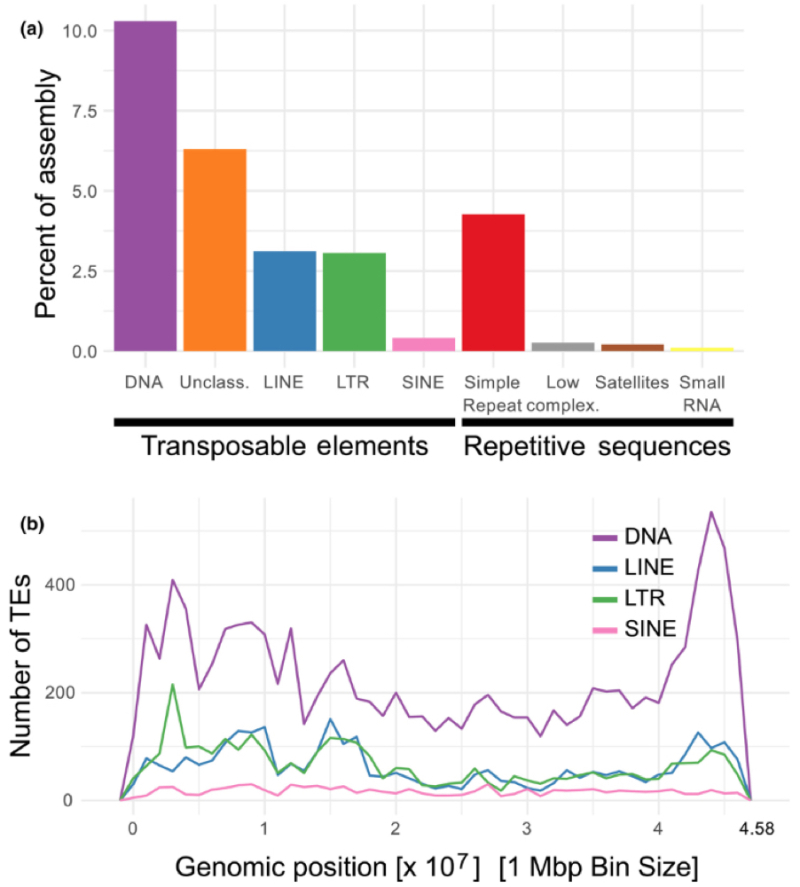
    Red FoxThe red fox (Vulpes vulpes) has been the subject of a controlled breeding experiment in Russia, at the Institute of Cytology and Genetics of the Russian Academy of Sciences, to select for genetic determinants associated with domestication (principally, friendliness towards human beings; see, Dugatkin and Trut, 2017, How to Tame a Fox (and Build a Dog), University of Chicago Press).  The success of this program has provided a comparator for genetic experiments with conventional farm-bred red fox populations and aggressive foxes to identify these genes, as recently reported by an international group in Nature Genetics (see "Red fox genome assembly identifies genomic regions associated with tame and aggressive behaviours").  This study provides an interesting contrast with an earlier comparison (from a different group) between genomic DNA of the ancestral domesticated cat species, Felix sylvestris sylvestris and the common house cat Felis catus (see "Domestic Cat Genome Sequenced").

    In summary, the comparative study identified 103 chromosomal regions "with either significantly decreased heterozygosity in one of the three populations or increased divergence between the populations."  One particularly strong candidate to be a genetic determinant of "tame" behavior was identified as SorSC1, encoding the primary trafficking protein for AMPA glutamate receptors and neurexins in fox brain.  This result "suggests a role for synaptic plasticity in fox domestication," which seems reasonable.  Interestingly, other genes "likely to have been under selection" include those associated with neurological disorders in human beings, as well as genes previously identified as being involved in mouse behaviors and domestication in dogs (providing a compelling natural control group; the lineages of domesticated dogs and the red fox diverged about 10 million years ago, prior to domestication of Canis familiaris from the grey wolf about 15,000 years ago).  As the study notes, "[t]here is no evidence that the fox was domesticated historically," and indeed the fox has evolved to have the broadest geographic range of any member of the Carnivora.

    The study involved genomic DNA sequence comparisons of farm-bred foxes (which, while not still wild continue to exhibit fear or aggression towards humans) and two subsets of such foxes conditioned in diametrically opposed fashion for positive response to humans or aggression towards humans.  These animals have remained outbred throughout their development (~50 generations for friendly foxes and ~40 generations for unfriendly ones) and the foxes were otherwise not selected for any other traits (a distinction with the numerous dog breeds selected for many desired traits).  The genomic structure of foxes differs from the domesticated dog:  foxes have 16 pairs (38 pairs for dogs) of acrocentric (metacentric for dogs) autosomal chromosomes; each species has a pair of sex-determining chromosomes and the fox has an additional 0-8 supernumerary ("B") chromosomes.  These structural differences have made it difficult to compare fox and dog chromosomes histologically.

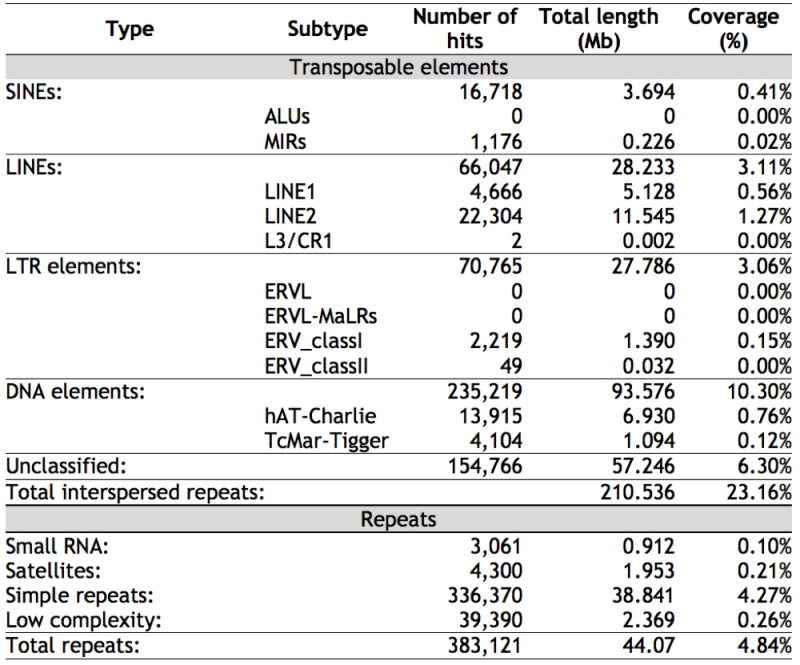
    This study provides genomic DNA assembly and annotation for the three types of foxes having three types of responses to humans.  The assembled fox genomic DNA revealed 21,418 protein coding genes and that 84% of the sequencing scaffolds map to one dog chromosome, 15% to two or more, and 1% could not be assigned.  A comparison of the three source genomes (10 foxes from each population) showed that there was "less divergence between the conventional and aggressive populations than between the tame and either the conventional or aggressive population" using single nucleotide polymorphism (SNP) comparisons (8,458,133 identified SNPs).  Of the 103 genomic regions identified as being associated with behavioral differences between these populations, "30 [were] identified in the tame population and 19 [were] identified in the aggressive population as showing a lower level of heterozygosity than would be expected due to genetic drift," and "[t]he longest regions were found on fox chromosomes 4, 8 and 14."

    Turning to genetic fine structure for genes associated with tameness or its opposite, the study showed that 80% of the genes detected were expressed in brain.  These included "[s]everal receptor-coding genes for glutamatergic (GRIN2BGRM6), GABAergic (GABBR1GABRA3GABRQ) and cholinergic (CHRM3CHRNA7) synapses."  Also detected were genes known to be associated with human neurological diseases (and hence related to behavior and changes therein), including "13 genes associated with autism spectrum disorder, 13 genes associated with bipolar disorder and three genes located at the border of the Williams–Beuren syndrome deletion in humans."  In addition, six fox genes were detected that had been implicated in aggressive behavior in mice.  Some of these genes were represented by alleles having missense mutations having different frequencies in the three populations, including "[t]wo missense mutations in the autism-associated CACNA1C gene, CACNA1C-SNP1 (Ile937Thr) and CACNA1C-SNP2 (Thr1875Ile), with the CACNA1C-SNP1 allele being found only in the tame population and the CACNA1C-SNP2 allele found in both the conventional and aggressive populations but not in the tame population."  The researchers also found that certain alleles of the SorCS1 gene were associated with interaction behavior that attracted attention after an interaction as opposed to avoidance, based on the presence of insertion/deletion (indel) markers in proximity of this gene.  The study shows identification of "one haplotype (olv) with a frequency of 60.6% in the tame population that was not observed in the aggressive population, two haplotypes (trq and lav) that were rare in tame but frequent in the aggressive population, and a fourth haplotype (pch) that was found in both populations."  The authors conclude that "[t]he function of SorCS1 as a global regulator of synaptic receptor trafficking supports the role of SorCS1 in the regulation of behavioural differences between tame and aggressive foxes."

    It seems apparent that such studies will be significant not only for identifying neurological changes that accompany domestication of animals, but also for better understanding genetic loci that may be implicated in human behaviors, including aggression.  Such understanding may lead to better ways to minimize the negative effects of unrestricted aggression in human populations.

    *Anna V. Kukekova, Jennifer L. Johnson, Xueyan Xiang, Shaohong Feng, Shiping Liu, Halie M. Rando, Anastasiya V. Kharlamova, Yury Herbeck, Natalya A. Serdyukova, Zijun Xiong, Violetta Beklemischeva, Klaus-Peter Koepfli, Rimma G. Gulevich, Anastasiya V. Vladimirova, Jessica P. Hekman, Polina L. Perelman, Aleksander S. Graphodatsky, Stephen J. O'Brien, Xu Wang, Andrew G. Clark, Gregory M. Acland, Lyudmila N. Trut & Guojie Zhang

    Image from British Wildlife Centre Wildlife by Airwolfhound, from the Wikimedia Commons under the Creative Commons Attribution-Share Alike 2.0 Generic license.

  •     By Bryan Helwig

    Gavel_2About Life Sciences Court Report:  We will periodically report on recently filed biotech and pharma litigation.


    Horizon Therapeutics, LLC v. Par Pharmaceutical, Inc.
    1-18-cv-01224; filed August 10, 2018 in the District Court of Delaware

    • Plaintiff: Horizon Therapeutics, LLC
    • Defendants: Par Pharmaceuticals, Inc., Par Pharmaceutical Companies, Inc.

    Claim: Infringement of U.S. Patent No.

    8,642,012: "Methods of treatment using ammonia-scavenging drugs"

    Synopsis:  Horizon Therapeutics, LLC claims infringement of the ′012 patent for RAVICTI® (glycerol phenylbutyrate oral liquid 1.1gm/ml).  Horizion Therapeutics holds NDA No. 20324 for RAVICTI®, which is used as a nitrogen-binding agent for chronic management of adult and pediatric patients with urea cycle disorders.  Defendants, under ANDA No. 205742, seek approval to engage in the commercial manufacture, use, or sale of a generic version of RAVICTI® prior to the expiration of the '012 patent.

    View the complaint here.


    Allergan, Inc. v. Saptalis Pharmaceuticals, LLC
    1-18-cv-01231; filed August 10, 2018 in the District Court of Delaware (Wilmington)

    • Plaintiffs: Allergan, Inc. and Saint Regis Mohawk Tribe
    • Defendant: Saptalis Pharmaceuticals, LLC

    Claim: Infringement of U.S. Patent Nos.

    8,633,162: ″Methods of providing therapeutic effects using cyclosporin components"
    8,642,556: "Methods of providing therapeutic effects using cyclosporin components"

    Synopsis:  Allergan and Saint Regis Mohawk Tribe allege infringement of the ′162 and ′556 patents.  The Saint Regis Mohawk Tribe, as assignee, owns the entire right, title, and interest in the ′162 and ′556 patents.  Allergan is the holder of approved NDA No. 50-790 for Cyclosporine Ophthalmic Emulsion, 0.05%, sold under the RESTASIS® trademark.  Allergan holds an exclusive field-of-use license to the ʼ162 and ′556 patents with respect to commercializing RESTASIS®.  On information and belief, Saptalis submitted ANDA No. 211943 seeking FDA approval to engage in the commercial manufacture, use, importation, sale, or offer for sale of Cyclosporine Ophthalmic Emulsion, 0.05%, a generic version of Allergan's RESTASIS® product.  Plaintiffs seek declaratory judgment of Infringement of the ′012 and '556 patents.

    View the complaint here.


    AstraZeneca LP v. Hisun Pharmaceutical (Hangzhou) Co., Ltd.
    1-18-cv-01232; filed August 10, 2018 in the District Court of Delaware (Wilmington)

    • Plaintiffs: AstraZeneca LP, AstraZeneca AB, AstraZeneca UK Ltd., and AstraZeneca Pharmaceuticals LP
    • Defendants: Hisun Pharmaceutical (Hangzhou) Co., Ltd. and Hisun Pharmaceuticals USA, Inc.

    Claim: Infringement of U.S. Patent Nos.

    7,250,419: ″Trisubstituted triazolopyrimidines for use in platelet aggregation inhibition″
    7,265,124: ″Cristalline and amorphous form of a triazolo (4,5-D) pyridimine compound″
    RE46276: ″Triazolo(4,5-D)pyrimidine compounds″

    Synopsis:  AstraZeneca claims infringement of the ′419, ′124, and ′276 patents.  AstraZeneca is the holder of NDA No. 022433 for the marketing and sale of BRILINTA® (ticagrelor) tablets in 90 mg and 60 mg dosage strengths.  BRILINTA® is intended to reduce the rate of cardiovascular death, myocardial infarction, and stroke in patients with acute coronary syndrome or a history of myocardial infarction.  Hisun filed ANDA No. 208575 for commercial manufacture, use, and sale of generic ticagrelor tablets.

    View the complaint here.

    Related Cases: 15-cv-1042-RGA: AstraZeneca previously filed suit against Hisun regarding its ticagrelor ANDA and its proposed 90 mg dosage strength generic ticagrelor tablet. The parties later jointly dismissed the case without prejudice.


    Boehringer Ingelheim Pharmaceuticals, Inc. v. Lupin Atlantis Holdings SA
    3-18-cv-12663; filed August 10, 2018 in the District Court of New Jersey (Trenton)

    • Plaintiffs: Boehringer Ingelheim Pharmaceuticals, Inc., Boehringer Ingelheim International GmbH, and Boehringer Ingelheim Pharma GmbH & Co. KG
    • Defendants: Lupin Atlantis Holdings SA and Lupin Ltd.

    Claim: Infringement of U.S. Patent Nos.

    7,070,800: ″Inhalable Powder Containing Tiotropium″
    7,694,676: ″Dry Powder Inhaler″

    Synopsis:  Boehringer claims infringement of the ′800 and ′676 patents.  Boehringer is the holder of NDA No. 021395 for SPIRIVA® HandiHaler®, an anticholinergic indicated for the long-term, once-daily, maintenance treatment of bronchospasm associated with chronic obstructive pulmonary disease (COPD), and for reducing COPD exacerbations.  Lupin submitted ANDA No. 211287 to engage in the commercial manufacture, use, or sale of tiotropium bromide inhalation powder, 18 mcg/capsule, as a purported generic version of SPIRIVA® HandiHaler®.

    View the complaint here.


    AbbVie Inc. v. Sandoz Inc.
    3-18-cv-12668; filed August 10, 2018 in the District Court of New Jersey (Trenton)

    • Plaintiffs: AbbVie Inc., and Abbvie Biotechnology Ltd.
    • Defendants: Sandoz Inc., Sandoz GmbH, and Sandoz International GmbH

    Claim:  Infringement of U.S. Patent Nos.

    9,187,559: ″Multiple-variable dose regimen for treating idiopathic inflammatory bowel disease″
    9,750,808: ″Formulation of human antibodies for treating TNF-Alpha associated disorders″

    Synopsis:  Abbvie Biotechnology Ltd. is the owner by assignment of the ′559 and ′808 patents.  AbbVie Inc. is the holder of Biologic License Application No. 125057 for HUMIRA®, whose active pharmaceutical ingredient is the antibody adalimumab.  Sandoz had submitted an abbreviated Biologics License Application ("aBLA") requesting that its biosimilar adalimumab product GP2017 be licensed for commercial sale by relying on AbbVie's demonstration that HUMIRA® is safe and effective.  Abbvie alleges that the aBLA provides Sandoz an abbreviated regulatory pathway for its biosimilar version of HUMIRA®, however in doing so Sandoz has infringed AbbVie's patents.

    View the complaint here.


    Athenex Pharma Solutions, LLC  v. Par Pharmaceutical, Inc.
    1-18-cv-00896; filed August 13, 2018 in the District Court Western District of New York (Buffalo)

    • Plaintiffs: Athenex Pharma Solutions, LLC and Athenex Pharmaceutical Division, LLC
    • Defendants: Par Pharmaceutical, Inc., Par Sterile Products, LLC, and Endo Par Innovation Co., LLC

    Claim: Infringement of U.S. Patent Nos.

    9,375,478: ″Vasopressin formulations for use in treatment of hypotension″
    9,687,526: ″Vasopressin formulations for use in treatment of hypotension″
    9,744,209: ″Vasopressin formulations for use in treatment of hypotension″
    9,744,239: ″Vasopressin formulations for use in treatment of hypotension″
    9,750,785: ″Vasopressin formulations for use in treatment of hypotension″
    9,937,223: ″Vasopressin formulations for use in treatment of hypotension″

    Synopsis:  Athenex seeks a declaration of non-infringement and invalidity of the ′478, ′526, ′209, ′239, ′785, and ′223 Patent.  Par Sterile is the manufacturer of Vasostrict® and is the holder of NDA No. 204485.  The active ingredient in Vasostrict® is vasopressin.  Athenex's compounded vasopressin products will be administered to patients in a ready-to-use form, eliminating the need for mixing by a health care professional.  As a result, Plaintiffs allege that their compounded vasopressin products do not, and would not, if marketed, infringe any claims of the patents in suit.

    View the complaint here.


    Valeant Pharmaceuticals v. Actavis Laboratories FL., Inc.
    1-18-cv-01288; filed August 22, 2018 in the District Court of Delaware (Wilmington)

    • Plaintiff: Valeant Pharmaceuticals International, Salix Pharmaceuticals Ltd., and Cosmo Technologies Ltd.
    • Defendant: Actavis Laboratories FL, Inc., Actavis Pharma, Inc., Teva Pharmaceuticals USA, Inc., Teva Pharmaceutical Industries Ltd.

    Claim: Infringement of U.S. Patent No.

    10,052,286: ″Controlled release and taste masking oral pharmaceutical composition″

    Synopsis:  Valent claims infringement of the ′286 patent.  VPI holds NDA No. 203634 for oral tablets containing 9 mg of the active ingredient budesonide, which are sold in the United States under the brand name Uceris®.  Uceris® is indicated for the induction of remission in patients with active, mild to moderate ulcerative colitis.  Actavis Labs submitted ANDA No. 205457 and seeks to engage in making, using, offering to sell and selling in the United States and/or importing into the United States its generic version of Uceris®.

    View the complaint here.


    Insys Therapeutics, Inc. v. Teva Pharmaceuticals USA, Inc.
    1-18-cv-01308; filed August 23, 2018 in the District Court of Delaware (Wilmington)

    • Plaintiffs: Insys Therapeutics, Inc. and Insys Development Co., Inc.
    • Defendants: Teva Pharmaceuticals USA, Inc. and Teva Pharmaceutical Industries Ltd.

    Claim: Infringement of U.S. Patent Nos.

    8,486,972:  ″Sublingual fentanyl spray″
    8,486,973: ″Sublingual fentanyl spray″
    8,835,459: ″Sublingual fentanyl spray″
    8,835,460: ″Sublingual fentanyl spray and methods of treating pain″
    9,241,935: ″Sublingual fentanyl spray″
    9,289,387: ″Method of treating pain by administering sublingual fentanyl spray″
    9,642,797:  ″Sublingual fentanyl spray and methods of use to treat pain″
    9,642,844: ″Sublingual fentanyl spray″

    Synopsis:  Insys claims infringement of the ′972, ′973, ′459, ′460, ′935, ′387, ′797, and ′844 patents.  Insys holds NDA No. 202788 on SUBSYS®, a fentanyl sublingual spray, and is the exclusive distributor of SUBSYS® in the United States.  Defendants, under ANDA No. 211209 have indicated they intend to engage in the commercial manufacture, use, or sale of a Fentanyl Sublingual Spray, 0.8 mg before the expiration of the patents-in-suit.

    View the complaint here.

  • CalendarSeptember 6, 2018 – "From BRI to Phillips at the PTAB: Consequences for Practice" (Intellectual Property Owners Association) – 2:00 to 3:00 pm (ET)

    September 11, 2018 – "How Notre Dame's IDEA Center Took University Start-Up Formation from Puny to Powerhouse: A Case Study in Performance Improvement" (Technology Transfer Tactics) – 1:00 pm to 2:00 pm (ET)

    September 12, 2018 – "Evolving PTAB Trial Practice: Navigating Complex Procedural Rules — Strategically Using Routine and Additional Discovery, Requests for Joinder, and Motions to Amend" (Strafford) – 1:00 to 2:30 pm (EDT)

    September 13, 2018 – "Blockchain and IP: Navigating Emerging Issues — Blockchain, DLT Platforms, Crypto-Tokens, Smart Contracts, and More" (Strafford) – 1:00 to 2:30 pm (EDT)

    September 14, 2018 – "Trade Secrets: What Every IP Attorney and In-house Counsel Should Know" (John Marshall Law School Center for Intellectual Property, Information & Privacy Law ) – 9:00 am to 4:30 pm, Chicago, IL

    September 18, 2018 – "The Continued Influence of PTAB Proceedings on Bio/Pharma Patents" (McDonnell Boehnen Hulbert & Berghoff LLP) – 10:00 am to 11:15 am (CT)

    September 21, 2018 – "USPTO Post-Grant Patent Trials 2018: Change & Recalibration" (Practising Law Institute) – New York & Groupcasts in Philadelphia, Indianapolis, New Brunswick, NJ, Pittsburgh, and Mechanicsburg, PA

    September 26, 2018 – "IP Audit Checklist: Best Practices to Identify, Protect, Monetize and Enforce University IP Assets" (Technology Transfer Tactics) – 1:00 pm to 2:00 pm (ET)

    September 27-28, 2018 – "Advanced Patent Prosecution Workshop 2018: Claim Drafting & Amendment Writing" (Practising Law Institute) – Chicago, IL

    September 27-28, 2018 – FDA Boot Camp (American Conference Institute) – Boston, MA

    October 2, 2018 – "Advice of Counsel Defense in Patent Litigation and Protecting Attorney-Client Privilege — Limiting Scope of Discovery, Safeguarding Confidential Communications and Information" (Strafford) – 1:00 to 2:30 pm (EDT)

    October 2-3, 2018 – Paragraph IV Disputes master symposium (American Conference Institute) – Chicago, IL

  • IPO #2The Intellectual Property Owners Association (IPO) will offer a one-hour webinar entitled "From BRI to Phillips at the PTAB: Consequences for Practice" on September 6, 2018 from 2:00 to 3:00 pm (ET).  Eric Cohen of Brinks Gilson & Lione, Kevin Greenleaf of Dentons US LLP, and Shaun Zang of Goldman Ismail Tomaselli Brennan & Baum LLP examined dozens of litigations in recent years where both district courts and the PTAB construed the same patents, and will provide useful insights as the PTAB is expected to switch from BRI to Phillips in post-grant proceedings this fall.  The panel will also give tips on how both patent owners and petitioners should proceed in the interim, and discuss other ramifications of the change, such as:

    • Deciding on a proposed claim construction will require even more care, because there will no longer be an opportunity to take differing positions at the PTAB and district court, now a frequent and often successful litigation strategy
    • That defendants in litigation can expect to be able to mount stronger non-infringement positions as a uniform and narrower claim interpretation makes it less likely the accused device will infringe
    • The potential fallout from the PTAB adopting a standard for AIA proceedings that differs from the one used in all other USPTO proceedings, such as reexamination and reissue.

    The registration fee for the webinar is $135 (government and academic rates are available upon request).  Those interested in registering for the webinar can do so here.