• Federal Circuit Bar Association_2The Federal Circuit Bar Association (FCBA) will be offering a remote program entitled "Dos and Don'ts of Virtual Hearings and Oral Arguments" on August 14, 2020 from 1:00 to 2:00 pm (EDT).  Rachel C. Hughey of Merchant & Gould P.C. will moderate a panel consisting of Hon. Elizabeth Cowan Wright, Magistrate Judge, District of Minnesota; Tara D. Elliott of Latham & Watkins LLP; Kelly E. Farnan of Richards Layton & Finger; and Jennifer H. Wu of Paul, Weiss, Rilkind, Wharton & Garrison LLP.  The panel will discuss the things they have learned from their substantial experiences with virtual proceedings, as well as the dos and don'ts of virtual hearings and oral arguments.

    The webinar is complimentary for FCBA members and students, $75 for government/academic/retired attendees, $150 for young lawyers and small firms, or $300 for private practitioners.  Those interested in registering for the program, can do so here.

  • LexisNexisLexisNexis IP, IPWatchdog, and Baker Botts will be offering a webinar entitled "Impact of USPTO Examiners on Prosecution Outcomes" on August 11, 2020 at 12:00 pm (ET).  Michael Sartori of Baker Botts, Megan McLoughlin of LexisNexis IP, and Gene Quinn of IPWatchdog.com will discuss the impact of the type of examiner by exploring important milestones in the life cycle of a U.S. patent application through historical trends and counter-intuitive results and quantify the impact of having an "easy" versus a "difficult" examiner assigned to your application.  The panel will discuss the following topics:

    • How the type of examiner you are assigned to can dramatically affect your ability to successfully obtain a patent
    • Practical implications for your prosecution strategy dependent on the examiner type you are assigned
    • Leveraging in-depth patent analytics to predict examiner behavior

    There is no registration fee for this webinar.  However, those interested in registering for the webinar, should do so here.

  • By Kevin E. Noonan —

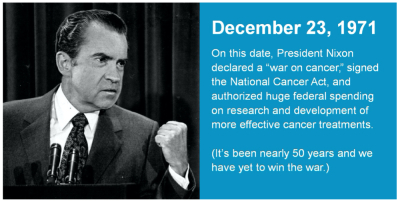
    Chemotherapeutic drug resistance is one reason cancer remains an unsolved clinical problem despite the efforts ever since President Nixon declared his "War on Cancer" in 1971.  Cancer cells, due in part to the genetic destabilization characteristic of the disease, are capable of expressing genes (normal or aberrant) that permit the cell to avoid the cytotoxic effect of such drugs with the patient providing the situs of selection for and growth of resistant cells.  The phenomenon is certain tumor types can have more deleterious consequences than in others, and this is particularly true for glioblastomas (and their non-malignant counterparts, gliomas), cancer of the cells that protect neurons in brain.  That organ, confined to the skull, cannot accommodate tumor growth without damaging the brain with which it is confined.

    Nixon
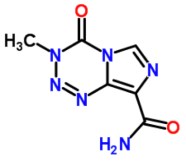
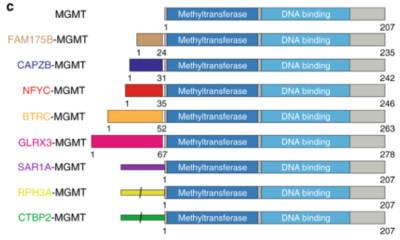
    The chemotherapeutic drug of choice for treating glioblastomas is temezolomide (TMZ), an oral alkylating agent that had its chemotherapeutic effect by introducing alkyl groups onto nucleotide bases (preferably at the N-7 and O-6 positions of guanine and N-3 position of adenine) in tumor cell DNA preferentially (due to the greater amount of DNA synthesis occurring in these cells) and disrupting the process leading to cell death (the O-6 methylation having the greatest capacity to induce apoptosis or programmed cell death). StructureO-6-methylguanosnine DNA methyltransferase (MGMT) is the cellular enzyme responsible for repairing alkylated bases in DNA and reduced expression of this gene (e.g., by hypermethylation of the MGMT promoter) is a biomarker for TMZ sensitivity in gliomas and glioblastomas.  Recently, a multinational team of researchers* reported genetic rearrangements associated with TMZ resistance, in a paper entitled "MGMT genomic rearrangements contribute to chemotherapy resistance in gliomas" published in Nature Communications.  This paper shows a subset of gliomas with rearrangements in the MGMT gene that produce overexpression of the gene and resistance as a result.  These authors screened 252 TMZ-treated recurrent gliomas by RNA sequencing and found eight different MGMT genetic fusions (designated BTRC–MGMT, CAPZB–MGMT, GLRX3–MGMT, NFYC–MGMT, RPH3A–MGMT, and SAR1A–MGMT in high-grade gliomas, HGG, and CTBP2–MGMT and FAM175B–MGMT in low-grade gliomas, LGG, in the paper) in seven patients (6 females) with recurrent disease, created by chromosomal rearrangement (see Figure 1c from paper; shown below).  These individuals' tumors showed "significantly higher" expression of the rearranged MGMT gene product.

    Figure cUpon further study, the authors report that five of the eight rearranged genes were located on Chromosome 10 in the vicinity of the MGMT gene itself.  The breakpoint in the MGMT was uniformly found at the boundary of exon 2 of the MGMT gene, at a point 12 basepairs upstream of the ATG translation "start" codon.  In three of the rearrangements, the breakpoint in the partner gene in the genetic fusion was found in the 5' untranslated region (UTR).  All fusions were found to be in-frame (i.e., the reading frame of the MGMT transcript was not disrupted) and the functional regions of the MGMT protein (the methyltransferase domain and DNA-binding domain) were intact.  A more fine-structure mapping experiment in the genetic rearrangement resulting in FAM175B–MGMT found that the fusion was the consequence of a deletion of 4.8 Mb.

    The effect of these rearrangements on MGMT expression was elucidated using CRIPSR-Cas9 to produce the BTRC-MGMT, NFYC-MGMT, SAR1A-MGMT, and CTBP2-MGMT rearrangements in cells of two glioblastoma cell lines, U251 and U87.  When these cells and their untreated counterparts were challenged by growth in vitro with TMZ, only cells bearing the rearrangements (as confirmed by PCR analysis) were shown to be TMZ resistant.  Unlike genetic rearrangements in other cancers that produce fusion proteins (such as the abl-bcr gene produced in chronic myelogenous leukemia bearing the diagnostic Philadelphia chromosome), because most of the rearrangements found involving the MGMT gene were located upstream of the initiation codon of the MGMT gene these authors reasoned that these rearrangements produce increased expression of MGMT leading to TMZ resistance because the cells were better able to repair the methylation injury and replicate functionally.  This hypothesis was supported by real-time quantitative PCR analysis of MGMT transcripts in cells bearing the rearrangements, that showed a "striking" increase in expression of MGMT-encoding transcripts (an observation also found in tumors from patients whose gliomas or glioblastomas showed these rearrangements), and Western blot analysis confirmed higher expression levels of the MGMT protein.  In two of the rearrangements (BTRC-MGMT and NFYC-MGMT), higher molecular weight fusion proteins were detected as predicted from the genetic data.  These results were also replicated in patient tumor-derived stem cells for the BTRC-MGMT and SAR1A-MGMT rearrangements.

    These results, and the researchers' conclusion that these rearrangements caused TMZ resistance by overexpression of MGMT, were confirmed by re-establishing TMZ sensitivity in these cells in the presence of O6-benzylguanine (O6-BG), an MGMT inhibitor.  These results were further confirmed by detection of double-strand breaks in DNA in these cells in the presence of TMZ and O6-BG.

    The relevance of these results to TMZ resistance in vivo was demonstrated using nude mouse xenograft models bearing tumors produced using BTRC-MGMT U251 cells and U251 cells without the rearrangement as control; these cells also contained a recombinant luciferase gene.  Mice containing the rearrangement showed no significant prolongation of lifespan in the presence or absence of TMZ, indicating tumor cell resistance, whereas TMZ treatment of naïve U251 cells showed improved survival.

    While hypomethylation of the native MGMT promoter is the most frequently change associated with TMZ resistance, the results presented in this paper illustrate an alternative mechanism for glioblastomas and gliomas to acquire resistance to TMZ, the only current chemotherapeutic drugs for these maladies.  Because these rearrangements were found in patients with recurrent tumors, these authors hypothesize that the rearrangements were selected or by TMZ treatment.  A similar rearrangement has also been found in another cancer, medulloblastoma, after TMZ relapse.  These authors also suggest that detection of these rearrangements can be used clinically to determine appropriate treatment modalities, particularly for recurrent disease.

    * Seve Ballesteros Foundation Brain Tumor Group, Molecular Oncology Programme, Spanish National Cancer Research Center; Division of Life Science, Department of Chemical and Biological Engineering, Center of Systems Biology and Human Health and State Key Laboratory of Molecular Neuroscience, The Hong Kong University of Science and Technology;  Beijing Neurosurgical Institute, Capital Medical University; Department of Neurosurgery, Samsung Medical Center, Sungkyunkwan University School of Medicine; Department of Systems Biology, Columbia University; The Jackson Laboratory for Genomic Medicine; and Molecular Cytogenetics Group, Human Cancer Genetics Program, Spanish National Cancer Research Center, CNIO, 28029, Madrid, Spain

  • Federal Circuit Hands Down Modified Opinion in Illumina, Inc. v. Ariosa Diagnostics, Inc.

    By Kevin E. Noonan —

    Federal Circuit SealEarlier this year, the Federal Circuit (somewhat surprisingly) found claims of two Sequenom patents directed to methods for detecting fetal DNA in maternal blood to satisfy the subject matter eligibility requirements of Section 101 (see "Illumina, Inc. v. Ariosa Diagnostics, Inc. (Fed. Cir. 2020)").  The surprise arose in part due to the Federal Circuit's track record of finding all diagnostic method claims to be ineligible as being directed to a natural law without "something more" to overcome the patentability preclusion created by the Supreme Court in Mayo Collaborative Services v. Prometheus Laboratories, Inc. (see, e.g., Judge Moore's dissent in Athena Diagnostics, Inc. v. Mayo Collaborative Servs., LLC, 927 F.3d 1333, 1352 (Fed. Cir. 2019) ( "Since Mayo, we have held every single diagnostic claim in every case before us ineligible.").  Another reason, of course, is that the Federal Circuit affirmed a finding of patent ineligibility in Ariosa Diagnostics, Inc. v. Sequenom, Inc.  Nevertheless, a divided panel found a patent eligibility-creating distinction in the claims asserted in this most recent case (over a dissent by the author of the Ariosa v. Sequenom decision, Judge Reyna) and today the Court issued a revised opinion in the face of Ariosa's petition for rehearing.

    To recap, the case arose over U.S. Patent No. 9,580,751 (the '751 patent) and U.S. Patent No. 9,738,931 (the '931 patent), directed to the solution of an unexpected difficulty in detecting cell-free fetal DNA (cffDNA):

    [T]he major proportion (generally >90%) of the extracellular DNA in the maternal circulation is derived from the mother.  This vast bulk of maternal circulatory extracellular DNA renders it difficult, if not impossible, to determine fetal genetic alternations [sic] . . . from the small amount of circulatory extracellular fetal DNA.

    The inventors found that cffDNA was significantly smaller (300-500 bp) than the "interfering" maternal DNA, and thus using admittedly conventional techniques of size separation the cffDNA could be isolated and rendered detectable.

    Illumina and Sequenom asserted claims 1, 2, 4, 5, 9, and 10 of the '751 patent and claims 1, 2, and 10–14 the '931 patent against Ariosa and Roche Diagnostics; the Court considered claim 1 from each patent to be representative:

    '751 patent:

    1. A method for preparing a deoxyribonucleic acid (DNA) fraction from a pregnant human female useful for analyzing a genetic locus involved in a fetal chromosomal aberration, comprising:
      (a) extracting DNA from a substantially cell-free sample of blood plasma or blood serum of a pregnant human female to obtain extracellular circulatory fetal and maternal DNA fragments;
          (b) producing a fraction of the DNA extracted in (a) by:
              (i) size discrimination of
              (ii) selectively removing the DNA fragments greater than approximately 500 base pairs,
              wherein the DNA fraction after (b) comprises a plurality of genetic loci of the extracellular circulatory fetal and maternal DNA; and
          (c) analyzing a genetic locus in the fraction of DNA produced in (b).

    '931 patent:

    1. A method, comprising:
      (a) extracting DNA comprising maternal and fetal DNA fragments from a substantially cell-free sample of blood plasma or blood serum of a pregnant human female;
          (b) producing a fraction of the DNA extracted in (a) by:
              (i) size discrimination of extracellular circulatory fetal and maternal DNA fragments, and
              (ii) selectively removing the DNA fragments greater than approximately 300 base pairs,
          wherein the DNA fraction after (b) comprises extracellular circulatory fetal and maternal DNA fragments of approximately 300 base pairs and less and a plurality of genetic loci of the extracellular circulatory fetal and maternal DNA fragments; and
          (c) analyzing DNA fragments in the fraction of DNA produced in (b).

    The District Court on summary judgment held these claims and all asserted claims to be ineligible under 35 U.S.C. § 101 and the Supreme Court's Alice/Mayo test (see "Illumina, Inc. v. Ariosa Diagnostics, Inc. (N.D. Cal. 2018)"), and Illumina appealed.

    In the original opinion, the Federal Circuit reversed, in an opinion by Judge Lourie joined by Judge Moore; Judge Reyna dissenting (as he does in this revised opinion).  Judge Lourie justified the different outcome here by stating "[t]his is not a diagnostic case.  And it is not a method of treatment case.  It is a method of preparation case."  But the majority based its decision on this distinction:  "[h]ere, it is undisputed that the inventors of the '751 and '931 patents discovered a natural phenomenon.  But at step one of the Alice/Mayo test, 'it is not enough to merely identify a patent-ineligible concept underlying the claim; we must determine whether that patent-ineligible concept is what the claim is 'directed to," citing Rapid Litig. Mgmt. Ltd. v. CellzDirect, Inc.  It is undisputed that cell-free fetal DNA (cffDNA) exists in maternal blood and its presence is a natural phenomenon, and moreover that the size differentials and distributions that form the predicate basis for the claims at issue here are also naturally occurring.  But the panel majority held that the claims were not merely "directed to" that natural phenomenon, but rather were directed to a method that exploits the natural phenomenon that renders the claims patent-eligible.  Sounding a theme he first enunciated in Vanda Pharmaceuticals Inc. v. West-Ward Pharmaceuticals, Judge Lourie recognizes the distinction that the claims at issue recited "specific process steps—size discriminating and selectively removing DNA fragments that are above a specified size threshold" that increased the relative amount of cffDNA in the processed sample compared to maternal DNA and thus "change[d] the composition of the mixture" and produced a DNA-containing fraction that was different from what naturally occurs in maternal blood.

    Judge Lourie's latest opinion reiterates most of these themes.  The basis of the decision remains that "this is not a diagnostic case.  And it is not a method of treatment case.  It is a method of preparation case."  As in the original opinion, the panel majority are somewhat critical of appellants' inability (in the majority's view) to "clearly identify the natural phenomenon that forms the basis of its challenge" but finds that the parties' differences on this point to be relatively meaningless distinctions and adopts Illumina's definition that the natural phenomenon underlying the claimed invention is that "cell-free fetal DNA tends to be shorter than cell-free maternal DNA in a mother's bloodstream."  But the majority arrives at the same conclusion as before:  although the claims are based on this natural phenomenon they "are not directed to that natural phenomenon but rather to a patent-eligible method that utilizes it" (emphasis in opinion).

    And the basis of this conclusion relies at least in part on the specific method steps recited by the claims, which might constitute the ineluctable "something more" mandated by the Supreme Court's jurisprudence that looks enough like novelty to disturb any patent practitioner (or more likely scholar) concerned with doctrinal consistency.  But this insistence also cabins the scope of the claims to the specifically recited steps, which goes a long way towards avoiding the overbroad scope that seems to have been at least part of the Supreme Court's concern regarding preemption motivating the Court's attempts to restrict patent eligibility of certain types of claims.  Also important for the panel majority is that the choice of the size distinctions recited in the claims are not themselves natural phenomenon but are "human-engineered parameters that optimize the amount of maternal DNA that is removed from the mixture and the amount of fetal DNA that remains in the mixture in order to create an improved end product that is more useful for genetic testing than the original natural extracted blood sample."  And the result of the claimed methods are a mixture of DNA fragments having a change in their composition, being enriched in fetal-derived DNA fragments shorter than 500 (the '751 patent) or 300 (the '931 patent) basepairs.

    The opinion, like its earlier version, distinguishes the claims at issue here with the claims in Supreme Court and Federal Circuit precedent found to be patent-ineligible, most notably that these claims are not directed to isolated DNA itself (Association for Molecular Pathology v. Myriad Genetics, Inc., 569 U.S. 576 (2013)), or merely detecting its presence in maternal blood (Ariosa), or even determining "whether a cell-free DNA fragment in a previously-prepared sample is fetal or maternal based on the natural size distribution of cell-free DNA fragments" but rather methods for preparing a mixture enriched in cffDNA based on "conventional separation technologies can be used in unconventional ways," specifically the claimed thresholds of 500 bp and 300 bp for separating fetal from material DNA ("Roche[] has presented no evidence that thresholds of 500 base pairs and 300 base pairs were conventional for separating different types of cell-free DNA fragments.").

    An admittedly cursory comparison between the majority opinion issued in March and the one issued today finds precious little difference in the reasoning advanced by the Court.  In contrast, Judge Reyna's dissent appears to refine some of the Judge's arguments but at bottom reiterates his opinion that these claims are directed to a patent-ineligible natural phenomenon.

    The Court is properly not transparent regarding the internal discussions and arguments asserted by those Judges who share the majority's views and those who share Judge Reyna's views.  But in light of the great similarities of these opinions it seems apparent that the Court was most comfortable not deciding to hear the case as a result of the revisions occasioned in the opinion handed down today.  Whether there are additional motivations (including putting the panel's disparate views in better condition for Supreme Court review) may become apparent if the Court deigns to revisit what it has wrought in the years since deciding the proper metes and bounds of Section 101 became a priority for the Court.

    Illumina, Inc. v. Ariosa Diagnostics, Inc. (Fed. Cir. 2020)
    Panel: Circuit Judges Lourie, Moore, and Reyna
    Opinion by Circuit Judge Lourie; dissenting opinion by Circuit Judge Reyna

  • By Kevin E. Noonan —

    Federal Circuit SealLast week, the Federal Circuit took the opportunity presented in an appeal from judgment on the pleadings in XY, LLC v. Trans Ova Genetics, LC to distinguish claims directed toward a patent-eligible invention from invalidation under the Supreme Court's imperfectly applied Alice Corp. v. CLS Bank Int'l (2014) test.

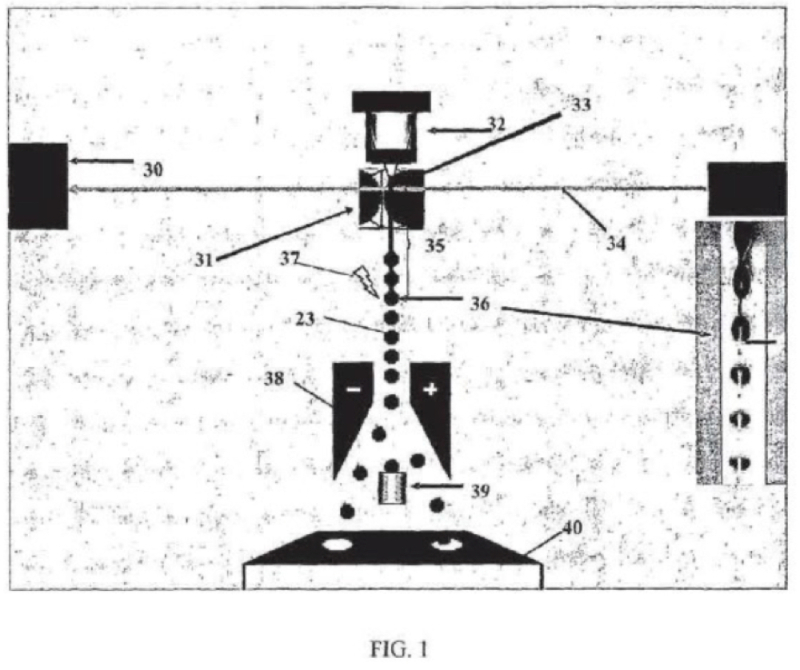
    The case arose over XY's assertion of Reissue Patent No. RE46,559 as well as U.S. Patent Nos. 6,732,422, 7,723,116, and 8,652,769 against Trans Ova.  The claims of the '559 reissue patent were directed to improving flow cytometric analysis.  As set forth in the opinion, the claimed invention related to "apparatus and methods for real-time discrimination of particles while being sorted by flow cytometry . . . resulting in enhanced discrimination between populations of particles" which could include cells, specifically sperm cells based on whether the sperm carried an X or a Y chromosome.  Useful applications included animal husbandry.  The opinion contains this illustration of the functional geometry of apparatuses encompassed by the asserted claims:

    FIG. 1and the following explanation:

    After passing through a laser beam (34), particles coupled to a light-emitting element may emit signals, such as fluorescence, which are then collected by at least one signal detector, such as a forward scatter detector (30).  . . .  The "signal detector may be connected to a system . . . in which signal data indicative of the signals may be processed and analyzed in order to determine a sort decision."  "While a sort decision []n is being determined, particles may pass through a drop delay (35)." . . .  Following a sort decision, "a pulse of charge (37) may be applied to a droplet (23) containing a particle.  Droplets may pass through charged deflection plates (38) in order to sort particles into a desired sort receptacle (40)" [citations to the specification omitted].

    The data produced in this way provides the basis for the apparatus to produce a more discriminating assessment of particles in a mixture, including differences between X- and Y-bearing sperm.  These methods involve signal processors programed to detect differences including "rotational alteration, translation operation, scaling operation, any combination of these and the like."

    Claim 1 is representative:

    1.  A method of operating a flow cytometry apparatus with at least n detectors to analyze at least two populations of particles in the same sample, the method comprising:
        (a) establishing a fluid stream in the flow cytometry apparatus with at least n detectors, the at least n detectors including a first detector and a second detector;
        (b) entraining particles from the sample in the fluid stream in the flow cytometry apparatus;
        (c) executing instructions read from a computer readable memory with a processor, the processor being in communication with the first detector in the flow cytometer, to detect a first signal from the first detector based on individual particles in the fluid stream;
        (d) executing instructions read from the computer readable memory with the processor, the processor being in communication with the second detector in the flow cytometer, to detect a second signal from the second detector based on the individual particles in the fluid stream;
        (e) executing instructions read from the computer readable memory with the processor to convert at least the first signal and the second signal into n-dimensional parameter data for detected particles in the sample, wherein the n-dimensional parameter data for particles from the at least two populations overlap in at least one of the dimensions;
        (f) executing instructions read from the computer readable memory with the processor to rotationally alter the n-dimensional parameter data so that spatial separation of the data from the particles from the at least two populations in the at least one dimension that is overlapped is increased;
        (g) executing instructions read from the computer readable memory with the processor to real-time classify each of the individual detected particles into one of a first population and a second population of the at least two populations based on at least the rotationally altered n-dimensional parameter data; and
        (h) using the real-time classification, sorting the individual particles with the flow cytometer.

    Trans Ova filed a motion for judgment on the pleadings based on the '559 reissue patent being invalid because the claims were not patent-eligible under § 101.  The District Court granted this motion, applying its understanding of the Supreme Court's two step analysis as set forth in Alice Corp. v. CLS Bank Int'l, 573 U.S. 208 (2014).  The Court held that the claims were directed to an abstract idea, specifically a "mathematical equation that permits rotating multi-dimensional data."  Under step two of the Alice test, the District Court held that there was no "inventive concept" to render the claims patent eligible, based on XY's admission that all claim elements were known in the prior art (albeit not in the arrangement or order recited in the asserted claims).  The District Court also granted Trans Ova's motion to dismiss because asserting the '422, '116, and '769 patents was barred by the doctrine of claim preclusion based on an earlier lawsuit.

    The Federal Circuit reversed the District Court on its patent eligibility decision, vacated the District Court's judgment on claim preclusion, and remanded, in an opinion by Judge Stoll joined by Judges Plager and Wallach.  With regard to judgment and invalidation for patent ineligibility, the panel held that the District Court had erred in its application of the Alice test.  Specifically, the Federal Circuit held that the asserted claims were not directed to an abstract idea; thus, if properly applied, the Alice test would have mandated that the District Court deny Trans Ova's motion.  The panel considered the Supreme Court's jurisprudence on patent eligibility to include the principle that "[l]aws of nature, natural phenomena, and abstract ideas are not patentable" to be tempered by the further Supreme Court instruction that "[a]t some level, 'all inventions . . . embody, use, reflect, rest upon, or apply laws of nature, natural phenomena, or abstract ideas,'" citing Mayo Collaborative Servs. v. Prometheus Labs, Inc., 566 U.S. 66, 71 (2012), and that further "[t]hus, an invention is not rendered ineligible for patent simply because it involves an abstract concept," citing Diamond v. Diehr, 450 U.S. 175, 187 (1981).  The District Court's error, according to the Federal Circuit, arose in its application of step one of the Alice test, because the asserted claims did not recite an abstract concept in the Court's view.  Even Trans Ova's counsel in argument before the Federal Circuit (according to the opinion) admitted that the claims of the '559 reissue patent were "not merely directed" to the mathematical concept, but rather to "a purportedly improved method of operating a flow cytometry apparatus to classify and sort particles into at least two populations in real time, wherein first and second detectors detect signals from individual particles and a processor converts the signals to n-dimensional parameter data and rotationally alters that data to increase spatial separation among the data, thereby facilitating classification and sorting of each individual particle."  The opinion expressly relied on the Supreme Court's Diehr opinion (as it must), as well as its own opinion in Thales Visionix Inc. v. United States, 850 F.3d 1343 (Fed. Cir. 201), for this conclusion.  The Court found the asserted claims of the '559 reissue patent to be analogous to the claims in Diehr because "the asserted claims 'describe in detail a step-by-step method' for accomplishing a physical process," citing Diehr.  The panel perceived a similar analogy with the Thales claims, which recited methods "in which at least two sensors or detectors gather data about an object before mathematical operations are applied to the gathered data to generate more accurate information about the object than was previously possible in the art."  And both sets of claims "purport to improve results" of previously practiced methods.  The panel appreciated the distinction between a claim directed to a mathematical formula and claims that apply a formula or algorithm to achieve "a function which the patent laws were designed to protect," citing Diehr.

    The opinion expressly rejected Trans Ova's contention (and a basis for the District Court's decision) that the asserted claims of the '559 reissue patent were analogous to the claims in Parker v. Flook that were held ineligible because those claims "'simply provide[d] a new and presumably better method for calculating alarm limit values,' requiring nothing more than updating an alarm limit—a number—through application of the recited formula" according to the Flook opinion.  And the panel further understood there to be a distinction between this case and Flook because "[t]he patent application [in Flook] contained no 'disclosure relating to the chemical processes at work, the monitoring of process variables, or the means of setting off an alarm or adjusting an alarm system.'"  Bringing to mind Judge Lourie's emphasis on "specificities" in Vanda Pharmaceuticals Inc. v. Hikma Pharmaceuticals USA Inc., the opinion recites in distinguishing Flook the specifically recited steps in the claimed method.  The opinion cites in support of these distinctions the Supreme Court's holding in Diehr that "a process is not unpatentable simply because it contains a law of nature or a mathematical algorithm."  Finally, the panel distinguished these claims from those in Cleveland Clinic Foundation v. True Health Diagnostics LLC, 859 F.3d 1352 (Fed. Cir. 2017), which were held ineligible on Section 101 grounds, because the Cleveland Clinic claims "used a known laboratory technique to observe a previously unknown natural phenomenon," whereas here the '559 reissue patent claims were directed toward improving a known laboratory technique using the application of the mathematical formula.

    With regard to the claim preclusion issue, the panel agreed with XY that the District Court erred by not comparing the claims of the '422, '116, and '769 patents asserted in this action with the asserted claims in the prior lawsuits.  While the District Court recited the proper test ("whether the scope of the patent claims asserted in the 2012 and 2016 lawsuits was 'materially' the same"), the Federal Circuit held that the court did not provide the required comparison.  "Instead," according to the panel opinion, "the district court concluded that claim preclusion applied to XY's '422 and '116 patent-infringement allegations simply because (1) these patents issued before XY filed the 2012 lawsuit; and (2) XY's allegations of infringement 'address the same, or substantially the same subject matter as previously filed claims and [are] directed at a previously accused product or process,'" citing to the District Court's ruling on the motion to dismiss.  The panel considered the District Court to have concluded, without explanation on the record, that this action was "'part of the same transaction that prompted the 2012 [l]awsuit,' because they were 'related in time, origin, and motivation' to, and would have been 'a convenient trial unit' with, the patents asserted in the 2012 lawsuit."  As for the '769 patent, which had not issued when the earlier lawsuits were commenced, the District Court believed litigation over this patent to be "a continuation of a patent already in suit" and thus that XY should have moved the District Court in that earlier litigation to amend its complaint to add the '769 patent.  The Federal Circuit consider its precedent, SimpleAir, Inc. v. Google LLC, 884 F.3d 1160, 1165 (Fed. Cir. 2018), to be "materially indistinguishable" from the circumstance here; in that case, the District Court had held separate lawsuits on two related patents involved the same cause of action solely because the two patents shared the same specification and were both terminally disclaimed over another prior patent.  The Federal Circuit held that later-asserted patent claims "could provide a larger claim scope to a patentee than earlier-asserted patent claims.  According to the Federal Circuit, here "[t]he district court did not even mention the asserted claims of the '422, '116, or '769 patents, let alone analyze their scope as compared to the scope of the patent claims asserted in XY's 2012 lawsuit," which comparison was required under its Simple Air decision.  On this basis, the Federal Circuit vacated and remanded the case to the District Court for a proper analysis of the similarities and differences of the claims asserted in this action and the prior lawsuits.

    This case illustrates hopeful and less hopeful trends in the Federal Circuit's jurisprudence on Section 101 subject matter eligibility.  On the one hand the decision illustrates the ease with which a district court can be convinced by an emphasis on the underlying basis for a claimed invention that the claims are directed to the "abstract idea" underlying the invention.  On the other hand, this decision follows a trend of the Federal Circuit distinguishing claims directed to the abstract idea itself and those directed to an application thereof (see, e.g., Rapid Litigation Management Ltd. v. Cellzdirect, Inc.).  But before anyone become giddy at the prospect of the Court finding a reliable guide to subject matter eligibility, it must be considered that on the same day the Court handed down its decision in this case it also denied a petition for rehearing en banc in American Axle & Mfg. v. Neapco Holdings LLC, which will be the subject of a subsequent post.

    XY, LLC v. Trans Ova Genetics, LC (Fed. Cir. 2020)
    Panel: Circuit Judges Wallach, Plager, and Stoll
    Opinion by Circuit Judge Stoll

  • UIC JMLSThe UIC John Marshall Law School is holding an online conference entitled "IP, Technology & Social Justice in the Age of Coronavirus" on September 11, 2020.  The conference is being organized by the Center for Intellectual Property, Information & Privacy Law at UIC John Marshall Law School and the Institute for Intellectual Property & Social Justice.  The conference will run from 7:40 am to 3:00 pm (CT) and will offer 6.75 hours (pending) of CLE credit.

    Topics will include:

    • The Pandemic and Access to Health
    • The Pandemic and Civil Society: Civic Engagement in the IP System
    • Including Older Americans, Native Americans, and Americans with Disabilities
    • IP as Social Change: Reconceptualizing the Rightsholder/IP Consumer Symbiosis after Georgia v. Resource.Org

    Registration information for the conference can be found here.

    Registration Fees are $60 (general registration with CLE credit).  Registration without CLE credit, for government attendees, and for UIC students, faculty, adjunct professors, staff, IP Center advisory board members, and IIPSJ guests is free.  Limited scholarships available for 2018–2020 JMLS/UIC graduates; non-UIC students, faculty, staff; and need-based attendees.

  • MBHB Logo 2McDonnell Boehnen Hulbert & Berghoff LLP will be offering a live webinar entitled "CRISPR Ownership Disputes: Current Status and Future Prospects" on August 18, 2020 from 10:00 am to 11:15 am (CT).  In this presentation, Patent Docs author and MBHB attorney Kevin E. Noonan will consider the following details about the technology and the patent disputes relating to ownership:

    • A brief overview of the technology
    • The players and what they have invented
    • The first interference and the grounds for the PTAB's decision
    • The current interference, the status of the parties' claims and motions
    • Possible outcomes of the PTAB's consideration of these motions
    • The upcoming priority phase of the interference
    • Potential outcomes and impact on development and commercialization of CRISPR technology

    While there is no fee to participate, attendees must register in advance.  Those wishing to register can do so here.  CLE credit is pending for the states of California, Illinois, New Jersey, New York, North Carolina, and Virginia.

  • By Michael Borella and Ashley Hatzenbihler* —

    Patent eligibility is a bit of a mess these days.  Ever since the Supreme Court handed down the Alice v. CLS Bank decision six years ago, the distinction between what might be subject matter that can be patented and what is not has been blurry at best.

    Famously, the Court legislated its own two-part test to determine whether claims are directed to patent-eligible subject matter under 35 U.S.C. § 101.  One must first decide whether the claim at hand involves a judicially-excluded law of nature, a natural phenomenon, or an abstract idea.  If so, then one must further decide whether any element or combination of elements in the claim is sufficient to ensure that the claim amounts to significantly more than the judicial exclusion.  But elements or combinations of elements that are well-understood, routine, and conventional will not lift the claim over the § 101 hurdle.  While the Alice inquiry is generally carried out as a matter of law, factual issues can come into play when determining whether something is well-understood, routine, and conventional.

    However, the Court declined to define what it meant by "abstract idea" or "significantly more," leaving that for the Federal Circuit and the rest of us to figure out.  By admission of several of its own members, the Federal Circuit has failed to do so in a cogent fashion.  As just one example (and this is a doozy of an example) Judge Plager wrote in 2018's Interval Licensing v. AOL case that "[t]he law . . . renders it near impossible to know with any certainty whether the invention is or is not patent eligible" and "a search for a definition of 'abstract ideas' in the cases on § 101 from the Supreme Court, as well as from this court, reveals that there is no single, succinct, usable definition anywhere available."

    Meanwhile, the USPTO's interpretation of Alice has added more steps to the test, clarified some aspects, muddied others, and counts for little to nothing in the courts.

    Simply put, the problem is that we are spending too much time trying to ascertain the unknowable contours of Alice.  The Federal Circuit has separated and combined and separated and combined the two parts to the point where some have questioned whether Alice is actually a one-part inquiry in practice.  Further, at the prompting of ill-reasoned language from Justice Breyer in Mayo v. Prometheus, the Federal Circuit has amplified that case's overlap between §§ 101, 102, 103, and 112.

    Rather than approach the Alice test with the rigidity of an automaton, there is a more pragmatic approach.  As described in a previous article, what the Federal Circuit is actually looking for to rule that a claim is patent-eligible can be expressed as three properties:  specificity, technical character, and novelty.  And not only does a claim almost certainly have to exhibit each to clear the § 101 hurdle, but there needs to be a nexus between these properties.  In other words, if one element of a claim is specific, another has technical character, and yet another is novel, that probably will not cut it.  Instead, a single element should exhibit all three.

    That is not to say that claims lacking one of these properties are automatically ineligible — there is a certain degree of flexibility in how the Federal Circuit balances the three.  But, as a rule, the more specific, technical, and novel your claim, the more likely it is to be patent-eligible.  Conversely, the less specific, technical, and novel your claim, the less likely it is to be patent-eligible.  A synthesis of the Federal Circuit § 101 case law makes this clear, and we have the data to back it up.

    But before we get into the empirical stuff, let's do something that the Supreme Court did not do and define our terminology.

    Claim specificity is not the same thing as claim breadth, although in practice the two are correlated.  Specificity, though, refers to whether and how much the claim recites a series of steps or set of elements that can be used to achieve a goal, rather than the goal itself.  The latter style has been referred to as "result-oriented," "outcome-oriented," and "black box" claiming, where the claim recites what the inventor hopes to achieve without reciting how the inventor purports to have achieved that goal.  The Federal Circuit often lauds the specificity of claims that it eventually find eligible (see McRO, Inc. v. Bandai Namco Games America Inc., Enfish LLC v. Microsoft Corp., Trading Techs Int'l v. CQG, Inc., and SRI Int'l Inc. v. Cisco Systems Inc.) while disparaging claims that lack this property (see Electric Power Group, LLC v. Alstom S.A., Two-Way Media Ltd. v. Comcast Cable Communications, LLC, and American Axle & Mfg. v. Neapco Holdings LLC).

    Technical character is a bit trickier to explain.  Notably, § 101 lacks any requirement that inventions be technical, and even Alice only hinted that such a requirement might be the case.  But the Federal Circuit has run with these sub-dicta suggestions, using the term "technical solution to a technical problem" among others to describe what it is looking for in eligible claims.  To understand this property, it helps to imagine all inventions on a spectrum of technical character.  Those at one extreme are clearly technical because they improve the operation of machines (engine control, error correction coding, image sharpening, memory management in a computer).  Those at the other extreme are clearly more business-oriented than technical (derivative trading, annuity calculations, human resource management, retail schemes).  Put another way, the former improves how a machine works, while the latter improves how a business works.  The fact that business-oriented inventions can be run on computers (and may even require computers to obtain meaningful results) is largely irrelevant to this analysis — such claims are still "non-technical".  Finally, in the middle of the spectrum we have inventions that improve how a person works (graphical user interfaces, video game animations, livestock management).  These could be viewed as either technical or non-technical depending on the actual claim language at play.

    Novelty is a simple enough concept, and is well-understood in patent law.  The exact nature of the de facto prior art analysis under § 101 is unclear.  Nonetheless, comparisons between claimed inventions and prior art are found in a vast number of § 101 decisions including the aforementioned KPN, Chamberlain, Enfish, and McRO cases, as well as Cellspin Soft, Inc. v. Fitbit, Inc., Data Engine Technologies LLC v. Google LLC, Core Wireless Licensing S.A.R.L. v. LG Electronics, Inc., and Internet Patents Corp. v. Active Network, Inc., just to name a few.

    So are the three properties a better way of understanding patent-eligibility than the two-part test?  We think so.  Do we like it?  No.  Do we think it is what the law should be?  Of course not.  But don't just take it from us.  Anyone who balks at the three properties should take note of Dropbox Inc. v. Synchronoss Techs. Inc. where the Federal Circuit recently wrote "an inventive concept exists when a claim recites a specific, discrete implementation of the abstract idea where the particular arrangement of elements is a technical improvement over the prior art" (emphasis added).

    To quantify the three properties, we selected 24 notable post-Alice Federal Circuit decisions and scored them on a scale of 0-2 for each property, where 0 is a low score and 2 is a high score.  This scoring was not done in a vacuum — we adhered to the following process.  If the Court spoke positively of a particular property in a decision, the score for that property would be a 2.  If the Court spoke negatively of a particular property, the score for that property would be a 0.  If the Court spoke neither positively nor negatively about a property or did not discuss the property in sufficient detail, we would review the claim language and the Court's discussion of the invention to come up with a value.

    Thus, a specificity of 2 indicates that the claim describes the elements or steps involved in achieving its goal.  A specificity of 0 indicates that the claim is outcome-oriented.  A specificity of 1 indicates that the claim is partially descriptive and partially outcome-oriented.

    Likewise, a technical character of 2 indicates that the claim is focused on a technical solution to a technical problem (i.e., improving the operation of a machine or system).  A technical character of 0 indicates that the claim is focused on a non-technical problem (i.e., improving the operation of a business).  A technical character of 1 indicates that the claim exhibits both technical and non-technical aspects (i.e., improving human performance or facilitating human decision making).

    Similarly, a novelty of 2 indicates that the Court has stated that the claim is focused on an advance over the prior art.  A novelty of 0 indicates that the Court has stated that the claim is focused on a long-standing procedure or uses well-understood, routine, or conventional elements or steps to achieve its goal.  A novelty of 1 indicates that the Court made little or no comparison between the claim and the prior art.

    Once determined, the specificity, technical character, and novelty scores for each case were added, resulting in summed values from 0 to 6.  Intuitively, one would expect that the higher this sum, the more likely that a claim is to be held eligible.

    So, on to the data.

    Case

    Specificity (0-2)

    Technical Character (0-2)

    Novelty (0-2)

    Sum (0-6)

    Eligible?

    DDR Holdings, LLC v. Hotels.com, L.P. (Fed. Cir. 2014)

    2

    1

    1

    4

    Yes

    Internet Patents Corp. v. Active Network, Inc. (Fed. Cir. 2015)

    0

    1

    1

    2

    No

    Versata Dev. Group, Inc. v. SAP America, Inc. (Fed. Cir. 2015)

    2

    0

    0

    2

    No

    Electric Power Group, LLC. V. Alstom S.A. (Fed. Cir. 2016)

    0

    0

    1

    1

    No

    Enfish LLC v. Microsoft Corp. (Fed. Cir. 2016)

    2

    2

    2

    6

    Yes

    McRo, Inc. v. Bandai Mamco Games America, Inc. (Fed. Cir. 2016)

    2

    2

    2

    6

    Yes

    Shortridge v. Found. Construction Payroll Service, LLC (Fed. Cir. 2016)

    2

    0

    0

    2

    No

    Thales Visionix Inc. v. U.S. (Fed. Cir. 2017)

    0

    2

    2

    4

    Yes

    The Chamberlain Group, Inc. v. Techtronic Indus., Co. (Fed. Cir. 2017)

    0

    1

    1

    2

    No

    Trading Techs Int'l v. CQG, Inc. (Fed. Cir. 2017)

    2

    1

    2

    5

    Yes

    Two-Way Media Ltd. v. Comcast Cable Commc'n., LLC (Fed. Cir. 2017)

    0

    1

    1

    2

    No

    Berkheimer v. HP Inc. (Fed. Cir. 2018)

    1

    2

    2

    5

    Yes

    Core Wireless Licensing S.A.R.L. v. LC Elec., Inc. (Fed. Cir. 2018)

    2

    2

    2

    6

    Yes

    Data Engine Tech. LLC v. Google LLC (Fed. Cir. 2018)

    2

    2

    2

    6

    Yes

    SAP America, Inc. v. InvestPic LLC (Fed. Cir. 2018)

    0

    0

    2

    2

    No

    Cellspin Soft, Inc. v. Fitbit, Inc. (Fed. Cir. 2019)

    2

    1

    1

    4

    Yes

    ChargePoint, Inc. v. SemaConnect, Inc. (Fed. Cir. 2019)

    0

    1

    1

    2

    No

    Koninklijke KPN N.V. v. Gemalto M2M GmbH (Fed. Cir. 2019)

    2

    2

    2

    6

    Yes

    SRI Int'l Inc. v. Cisco Sys. Inc. (Fed. Cir. 2019)

    1

    2

    2

    5

    Yes

    Trading Techs Int'l v. IBG LLC (Fed. Cir. 2019)

    2

    0

    1

    3

    No

    Elec. Commc'n. Techs., LLC v. ShoppersChoice.com, LLC (Fed. Cir. 2020)

    0

    0

    0

    0

    No

    Ericsson Inc. v. TCL Commc'n. Tech. Holdings Ltd. (Fed. Cir. 2020)

    0

    1

    1

    2

    No

    Dropbox, Inc. v. Synchronoss Techs. Inc. (Fed. Cir. 2020)

    0

    1

    0

    1

    No

    Uniloc USA, Inc. v. LG Elecs. USA, Inc. (Fed. Cir. 2020)

    1

    2

    2

    5

    Yes

    The 24 scored cases include 12 that were ruled eligible and 12 that were ruled ineligible.  Of the eligible cases, the sums of all landed in the range of 4-6.  Of the ineligible cases, the sums of all landed in the range of 0-3.  Thus, our initial intuition appears to be correct — eligible claims tend to be more specific, technical, and novel, while ineligible claims are less specific, technical, and novel.  Notably, there were five with the highest possible sum of 6, but only one with the lowest possible sum of 0.

    Overall, there was a correlation of 0.91 between sum and whether the claim was patent-eligible (we converted the "yes" or "no" results of the rightmost column to 1's and 0's respectively to perform correlations).  While this is a very high correlation, we need to keep in mind that in most cases correlation does not mean causation.  However, we believe that our analysis reflects a causative link from the properties of specificity, technical character, and novelty to eligibility.  In particular, the Court often states explicitly that a claim is eligible because it exhibits each of the three properties to at least some degree, or that a claim is ineligible because it lacks at least one of these properties.

    We also calculated correlations between each of the properties and the eligibility outcome.  For specificity, the correlation was 0.58, for technical nature, the correlation was 0.80, and for novelty, the correlation was 0.74.  These results have an interesting implication for patent practitioners drafting initial claim sets or making amendments.  The technical nature of an invention appears to have the biggest impact on whether it is found to be eligible, but the practitioner has the least control over this aspect.  An invention that solves a business problem may be difficult to recast as solving a technical problem even using the cleverest claim drafting techniques.  Specificity and novelty, however, are more under the control of the practitioner, as detailed elements directed toward features believed not to be in the prior art can always be added (modulo the applicant's needs of course).  Thus, for a claim that is on the fence with respect to its technical character, making sure that it has at least one element that is specific and novel may help.

    To sum up, the three properties appear not only to be a reasonably useful way of thinking about patent-eligibility in a world where the two-part test is bewildering and obtuse, it is also highly predictive of patent-eligibility outcomes.[1]  Nonetheless, while we attempted to avoid any bias during the scoring process, we are aware that there is a degree of subjectivity in our evaluations.  Moreover, the set of case law should be expanded beyond these 24 samples.  Therefore, we welcome others to suggest adjustments to the scoring and/or to continue this study with further cases.

    [1] Of course, when you are before the USPTO or a Court, you need to argue the two parts of Alice.  But keeping the three properties in mind can help you hone those arguments.

    * Ashley Hatzenbihler is a student at Loyola University Chicago School of Law where she is focusing her studies on Intellectual Property.  Ashley is a staff member of the Loyola University Chicago Law Review and a Summer Associate at McDonnell Boehnen Hulbert & Berghoff.  Prior to law school, Ashley received her Bachelors in Mechanical Engineering with a minor in Mathematics from Marquette University.  Ashley also completed her Masters of Science in Mechanical Engineering for her research on the optimal conditions for auto-ignition testing of diesel fuels and surrogates from Marquette University.

  • By Kevin E. Noonan —

    One of the signal public health achievements/victories of the 20th Century is the eradication of smallpox (variola virus, VARV) announced by the World Health Organization (WHO) in 1980; it has been estimated that smallpox infection killed 300-500 million people in the 20th Century alone.  (A compelling example of the effects of smallpox in 18th Century America can be found in Pox Americana: The Great Smallpox Epidemic of 1775-1782, by Elizabeth A Fenn.)  Fortuitously arriving before the advent of antivaxxers, the Internet, and proliferation of misinformed (at best) amateurs on social media, WHO, supported by most of the Western world was able to track down and subdue (by vaccination) outbreaks of the disease which has no known animal host reservoir.  While a theoretical possibility ever since Jenner used the insight that milkmaids were "naturally" immune due to encountering vaccinia virus from cows in 1796, it took the organization (and relative wealth) of the post-war world and the auspices of the United Nations to remove a viral scourge known from time immemorial.

    But how much time is "immemorial"?  There is some evidence (but not definitive) from examination of mummies in Egypt that the disease had arisen 3000-4000 years ago.  Smallpox manifests (besides by causing death) in skin lesions, and very little skin remains after death.  Recently, an international team* of researchers, using genetic technology tools, were able to find smallpox associated with teeth and skeletons from deceased Scandinavians dating to the 6th or 7th Century A.D.  These researchers' report, entitled "Diverse variola virus (smallpox) strains were widespread in northern Europe in the Viking Age" was published in the scientific journal Science on July 24th.

    Variola virus is one of a number of pox viruses in different species (including camels, gerbils, monkeys, mice, and most famously cows), having a linear DNA double stranded genome comprising ~186,000 – ~228,000 basepairs.  The central ~100,000 basepairs encode conserved genes involved in replication and transcription of viral genes, with the terminal portions encoding more host species-specific genes believed to be involved in host range and modulating host immune responses.  The discovery disclosed in this paper was the result of high-throughput shotgun sequencing from 1867 samples from human remains dated from more than 31,000 to 150 years ago.  Twenty-six positive samples were identified but only 13 were amenable to further study (illustrating the difficulty of performing successfully this type of archeological/viral detective work), and 11 of those were from northern Europeans, specifically Viking people from Scandinavia.  These researchers were able to reconstruct almost complete viral genomes from 4 of these samples.  Comparison of the genes present in these samples showed significant ("great contrast") differences with modern varieties, including 3 genes active in all modern smallpox variants that were inactive in the archeological sample-derived variants.  There are 10 genes inactive in both modern and Viking-Age samples that show different inactivating mutations, and 14 genes inactive in modern variola viruses that were active in the archeological viral samples.  A common theme is the reduction of active genes during the "evolution" of variola virus over time, perhaps due to adaptation to the host species (i.e., us).

    The relationship of these genetic inactivations and various subsets of variola variants is shown in this Figure:

    2020-07-29 Image
    where:

    Each row to the right indicates gene status (present, inactivated) in the virus at that level in the cladogram (bottom eight rows), or in an inferred internal node or the root (top seven rows).  The 40 columns represent genes that are either absent or that have an inactivating mutation in at least one of the mVARV (modern) or aVARV ("ancient") sequences, excluding 19 genes that are absent in both mVARV and aVARV.  Genes are sorted left-to-right by category and then by position in the genome.  Empty circles indicate genes assumed to be present and functional.  Colored circles indicate genes with a gene-inactivating mutation, genes that are absent, or genes that do not have coverage in the ancient sequences (also indicated by an X).  Within a column, genes with identical gene-inactivating mutations are shown in the same color.  Color correspondence between columns carries no meaning.  Genes with partial coverage (in the aVARV sequences) are marked with a black dot.  A horizontal bar across a filled circle indicates a gene-inactivating mutation considered uncertain, because of less than three reads covering the position of the mutation.  A horizontal bar across an empty circle indicates a gene that may be functional (with a length intermediate between its length in viruses where it is functional and viruses where it is not).

    Based on these data the researchers determined that these samples belonged to a viral clade previously undetected in modern variola variants and now believed to be extinct.  The researchers posit that this clade was specific for their Viking Age human population and arose from a common ancestor to all variola virus variants.

    The authors are cautious in recognizing that these results were obtained from about 2% of the samples studied (525) from this time period, and that Scandinavia in the ~450 years spanning when these samples arose increased in population from ~750,000 to ~ 1 million.  In addition, the very small number of positive samples suggests that there is a large "false negative" rate, due to "differences in DNA preservation, source tissue, or sequencing depth in the screening."  Accordingly, they note that "it would not be prudent to use the 2% detection rate to estimate smallpox prevalence or fatality rates during the Viking Age.  The likely inaccurate (low) detection rate and the very small sample size argue against regarding prevalence.  Even if all other sources of uncertainty were resolved, it would still not be clear how the figure relates to case fatality rates during that period, because we cannot be sure that the individuals died as a result of their infections."

    Nevertheless, these researchers also recognize the significance of their results in "pushing back" the earliest date of confirmed smallpox incidence from the 17th-18th century to the 6th-7th Century in Europe.  Their results are inconsistent with introduction from other parts of the globe as a result of "returning Crusaders" or "the Moorish invasion of [Spain in] 710 A.D." "or the invasion of England by the Normans in 1066).  The paper concludes with these thoughts:

    The Viking Age sequences reported here push the definitive date of the earliest VARV infection in humans back by ~1000 years and reveal the existence of a previously unknown, now-extinct virus clade.  The ancient viruses were following a genotypic evolutionary path that differs from modern VARV.  This is highlighted by at least three genes inactivated in some aVARV sequences but still active in the mVARV clade, and by 10 genes inactivated in both clades but with gene-inactivating mutations that differ between clades.  The ancient viral genomes show reduction of gene content during the evolution of VARV and that multiple combinations of gene inactivations have led to viruses capable of circulating widely within the human population.

    * From the Center for Pathogen Evolution, Department of Zoology, and Department of Pathology, University of Cambridge; Institute of Virology, Charite-Universitatsmedizin, Berlin; German Center for Infection Research, Berlin; Lundbeck Foundation GeoGenetics Center, Section for Evolutionary Genomics and Laboratory of Biological Anthropology, University of Copenhagen; Institute for Molecular Biology, National Academy of Sciences of Armenia; Department of Archeology and Ancient History, Lund University; Sydsvensk Arkeologi, Kristianstad; Department of Human Genetics, University of Chicago; Trace and Environmental DNA Laboratory, Curtin University; Department of Archeology and Cultural History, Norwegian University of Science and Technology; Museum of Cultural History, University of Oslo; Research Institute and Museum of Anthropology and Department of Archeology, Moscow State University; Thames Valley Archeological Services, Reading; Peter the Great Museum of Anthropology and Ethnography, St. Petersburg; Roskilde Museum, Jaegerpris; Malmo Museum, Malmo; Institute for Infectious Diseases and Zoonoses, University of Munich; German Center for Infection Research, Munich; Department of Viroscience, Erasmus Medical Center, Rotterdam; Wellcome Trust Sanger Institute, Hixton; and Danish Institute for Advanced Study, University of Southern Denmark.

  • By Donald Zuhn —

    USPTO SealLast month, the U.S. Patent and Trademark Office published a final rule in the Federal Register (85 Fed. Reg. 36335), in which the Office set forth revisions to the rules of practice concerning Patent Term Adjustment (PTA) in view of the Federal Circuit's decision in Supernus Pharm., Inc. v. Iancu.  The final rule implements revisions that were previously discussed in a notice of proposed rulemaking published by the Office in May 2019 (see "USPTO Proposes Revisions to PTA Rules in View of Supernus v. Iancu").  With respect to the PTA rules being changed, the Office is revising the period of reduction of PTA in the following subsections of 37 C.F.R. § 1.704:

    • Deferral of issuance of a patent (37 C.F.R. § 1.704(c)(2));
    • Abandonment of an application (37 C.F.R. § 1.704(c)(3));
    • Submission of a preliminary amendment (37 C.F.R. § 1.704(c)(6));
    • Submission of papers after a decision by the Patent Trial and Appeal Board or by a Federal court (37 C.F.R. § 1.704(c)(9)); and
    • Submission of papers after a notice of allowance under 35 U.S.C. § 151 (37 C.F.R. § 1.704(c)(10)).

    According to the Office's notice, the revisions to the rules will specify a period of reduction corresponding to "the period from the beginning to the end of the applicant's failure to engage in reasonable efforts to conclude prosecution" as opposed to the consequences to the Office of applicant's failure to engage in reasonable efforts to conclude prosecution.

    In Supernus Pharmaceuticals, Inc. v. Iancu, the Federal Circuit reversed the entry of summary judgment by the District Court for the Eastern District of Virginia, which concluded that the U.S. Patent and Trademark Office had not erred in calculating the PTA for U.S. Patent No. 8,747,897.  During prosecution of U.S. Application No. 11/412,100, which issued as the '897 patent, the Examiner issued a final Office Action, and Supernus responded by filing a Request for Continued Examination (RCE).  After filing the RCE, Supernus was notified that an opposition had been filed in related European Patent No. EP 2 010 189 (which had issued from a European application corresponding to an International application that claimed priority from the '100 application).  One hundred days after the European Patent Office's notification of the opposition, Supernus filed a supplemental Information Disclosure Statement (IDS) citing the Notice of Opposition and other documents concerning the opposition.  The USPTO ultimately issued the '100 application as the '897 patent, determining that the '897 patent was entitled to 1,260 days of PTA.  The Office's PTA determination included an assessment of 886 days of applicant delay, of which 646 days were assessed for the time between the filing of the RCE and the submission of the supplemental IDS.  Supernus filed a request for Reconsideration of Patent Term Adjustment, but the Office rejected Supernus' request, concluding that the 646-day reduction in PTA was proper.

    Supernus challenged the Office's PTA determination in the Eastern District of Virginia, contending that it was entitled to at least 546 of the 646 days of PTA reduction (i.e., the period of time between the filing of the RCE and the EPO notification of opposition).  The District Court granted summary judgment in favor of the USPTO, finding that the USPTO did not err in the PTA calculation for the '897 patent.

    In January of 2019, the Federal Circuit reversed the District Court's grant of summary judgment in favor of the USPTO, finding that because there were "no identifiable efforts" that Supernus could have undertaken in the time period between the filing of an RCE during prosecution of the application that issued as the '897 patent and the mailing of an EPO notification of opposition for a European counterpart patent (which resulted in Supernus filing a supplemental Information Disclosure Statement during prosecution of the '897 patent), Supernus had not failed to engage in reasonable efforts to conclude prosecution during that time period.  The Federal Circuit noted in Supernus that "Congress expressly granted the USPTO authority to determine what constitutes reasonable efforts [under 35 U.S.C. § 154(b)(2)(C)(i)], but the USPTO lacks any authority to exceed the statutory 'equal to' limitation by including the 546-day time period during which it does not contend that Supernus failed to undertake reasonable efforts to conclude prosecution."  The Court therefore found the USPTO's PTA reduction for the '897 patent to be inconsistent with the PTA statute, accorded no deference to the USPTO's application of the regulations at issue in the circumstances of this case, and reversed and remanded the District Court's summary judgment order.

    In the final rule, the Office points out that "[t]he Federal Circuit in Supernus held that a reduction of patent term adjustment under 35 U.S.C. 154(b)(2)(C) must be equal to the period of time during which the applicant failed to engage in reasonable efforts to conclude prosecution of the application."  As a result, the final rule revises certain provisions of 37 C.F.R § 1.704 for consistency with the Federal Circuit's decision in Supernus.  The final rule explains that "[w]hile the Federal Circuit decision in Supernus involved 37 CFR 1.704(c)(8), there are several provisions in 37 CFR 1.704(c)(1) through (c)(14) whose period of reduction corresponds to or includes the consequences to the USPTO of the applicant's failure to engage in reasonable efforts to conclude prosecution, rather than 'the period from the beginning to the end of the applicant's failure to engage in reasonable efforts to conclude prosecution.'"  Therefore, the final rule addresses that issue with respect to 37 C.F.R. § 1.704(c)(2), (3), (6), (9), and (10).

    One addition to the rules revisions discussed in the Office's notice of proposed rulemaking involves after-allowance amendments or other after-allowance papers that are "expressly requested by the Office."  In the final changes to 37 C.F.R. § 1.704(c)(10), the Office has excluded after-allowance amendments or other after-allowance papers that are "expressly requested by the Office" from the after-allowance amendments or other after-allowance papers that will result in a reduction of PTA under § 1.704(c)(10).  Thus, the final rule states that "an amendment under § 1.312 or other paper not expressly requested by the USPTO (i.e., a 'voluntary' amendment under § 1.312 or other paper) after the notice of allowance will result in a reduction of patent term adjustment under § 1.704(c)(10)."  The notice also indicates that "[a]n amendment under § 1.312 or other paper going beyond what was requested by the USPTO (i.e., including material not expressly requested by the USPTO in addition to what was requested by the USPTO) would not be considered 'an amendment under § 1.312 or other paper expressly requested by the Office' under § 1.704(c)(10)" (emphasis added).

    The notice points out that the phrase "expressly requested by the Office" in § 1.704(c)(10) "requires a specific request in an Office action or notice, or in an Examiner's Interview Summary (PTOL–413), for the amendment under § 1.312 or other paper" (emphasis added), and explains that:

    [G]eneric language in an Office action or notice, such as a statement in a notice of allowability containing an examiner's amendment indicating that if the changes and/or additions are unacceptable to applicant, an amendment may be filed as provided by § 1.312 (section 1302.04 of the Manual of Patent Examining Procedure (MPEP)), is not a basis for considering an amendment under § 1.312 to be "expressly requested by the Office" within the meaning of § 1.704(c)(10) as adopted in this final rule.  Similarly, the provisions of §§ 1.56, 1.97, and 1.98 are not a basis for considering an information disclosure statement including information that has come to the attention of the applicant after a notice of allowance has been given or mailed to be a paper "expressly requested by the Office" within the meaning of § 1.704(c)(10).  An information disclosure statement in compliance with §§ 1.97 and 1.98, however, will not be considered a failure to engage in reasonable efforts to conclude prosecution of the application under § 1.704(c)(10) (or § 1.704(c)(6), (8), or (9) if the information disclosure statement is accompanied by a statement under § 1.704(d)).

    Significantly, the notice indicates that even if an amendment under § 1.312 or other paper is expressly requested by the USPTO, if the amendment or other paper is not filed within three months from the date of mailing or transmission of the USPTO communication notifying the applicant of such request, the submission will result in a reduction of PTA under § 1.704(b).

    According to the Office's notice, the final rule took effect on July 16, 2020, and the final rule applies to original utility and plant patents issuing from applications filed on or after May 29, 2000, in which a notice of allowance was mailed on or after July 16, 2020.  The notice also indicates that the Office is currently modifying its PTA computer program, which uses information recorded in the USPTO's Patent Application Locating and Monitoring (PALM) system to make an initial PTA determination, to implement the changes in the final rule.  The Office notes that it will decide any timely request for reconsideration of such PTA determinations provided that the request complies with 37 C.F.R. § 1.705(b) (i.e., is made within seven months of patent issuance), regardless of whether the notice of allowance was mailed on or after July 16, 2020.

    In addressing the seven comments the Office received in response to its notice of proposed rulemaking, the final rule also indicates that nothing in the revisions to 37 C.F.R. § 1.704(c)(10) has changed the list of papers that can be submitted after a notice of allowance is mailed without adversely impacting PTA.  In particular, the Office has explained that the following papers may be submitted after a notice of allowance is mailed without resulting in a reduction of PTA under § 1.704(c)(10):

    (1) Fee(s) Transmittal (PTOL–85B); (2) power of attorney; (3) power to inspect; (4) change of address; (5) change of entity status (micro/small/not small entity status); (6) a response to the examiner's reasons for allowance or a request to correct an error or omission in the "Notice of Allowance" or "Notice of Allowability"; (7) status letters; (8) requests for a refund; (9) an inventor's oath or declaration; (10) an information disclosure statement with a statement in compliance with § 1.704(d); (11) the resubmission by the applicant of unlocatable paper(s) previously filed in the application (§ 1.251); (12) a request for acknowledgment of an information disclosure statement in compliance with §§ 1.97 and 1.98, provided that the applicant had requested that the examiner acknowledge the information disclosure statement prior to the notice of allowance, or the request for acknowledgement was the applicant's first opportunity to request that the examiner acknowledge the information disclosure statement; (13) comments on the substance of an interview where the applicant-initiated interview resulted in a notice of allowance; and (14) letters related to government interests (e.g., those between NASA and the USPTO).

    In addition, as discussed above, the Office has now added "an amendment under § 1.312 or other paper expressly requested by the Office" to the list of documents above.

    Marked-up versions of the rules that the Office has revised are set forth below (note: subsections of 37 C.F.R. § 1.704(c) in which the term "mailing date" was changed to "date of mailing," but where no changes were made to the period of reduction of PTA, are not included below; a complete version of the revised rule can be found in the Federal Register notice for the final rule; bold, underlined text indicates changes to the rules since the Office's notice of proposed rulemaking).

    1.704 Reduction of period of adjustment of patent term.

    * * *

    (c)  * * *

    (2)  Deferral of issuance of a patent under § 1.314, in which case the period of adjustment set forth in § 1.703 shall be reduced by the number of days, if any, beginning on the date a request for deferral of issuance of a patent under § 1.314 was filed and ending on the earlier of the date a request to terminate the deferral was filed or the date the patent was issued;

    (3)  Abandonment of the application or late payment of the issue fee, in which case the period of adjustment set forth in § 1.703 shall be reduced by the number of days, if any, beginning on the date of abandonment or the date after the date the issue fee was due and ending on the earlier of:
        (i)  The date of mailing of the decision reviving the application or accepting late payment of the issue fee; or
        (ii)  The date that is four months after the
    date the grantable petition to revive the application or accept late payment of the issue fee was filed;

    * * *

    (6)  Submission of a preliminary amendment or other preliminary paper less than one month before the mailing of an Office action under 35 U.S.C. 132 or notice of allowance under 35 U.S.C. 151 that requires the mailing of a supplemental Office action or notice of allowance, in which case the period of adjustment set forth in § 1.703 shall be reduced by the lesser of:
        (i)  The
    number of days, if any, beginning on the day after the mailing date that is eight months from either the date on which the application was filed under 35 U.S.C. 111(a) or the date of commencement of the original Office action or notice of allowance national stage under 35 U.S.C. 371(b) or (f) in an international application and ending on the date of mailing of the supplemental Office action or notice of allowance; the preliminary amendment or
        (ii)  Four months other preliminary paper was filed;

    * * *

    (9)  Submission of an amendment or other paper after a decision by the Board of Patent Appeals Trial and Interferences Appeal Board, other than a decision designated as containing a new ground of rejection under § 1.19641.50(b) of this title or statement under § 1.19641.50(c) of this title, or a decision by a Federal court, less than one month before the mailing of an Office action under 35 U.S.C. 132 or a notice of allowance under 35 U.S.C. 151 that requires the mailing of a supplemental Office action or supplemental notice of allowance, in which case the period of adjustment set forth in § 1.703 shall be reduced by the lesser of:
        (i)  The
    number of days, if any, beginning on the day after the mailing date of the original Office action decision by the Patent Trial and Appeal Board or notice of allowance by a Federal court and ending on the mailing date of the supplemental Office action or notice of allowance; amendment or
        (ii)  Four months other paper was filed;

    (10)  Submission of an amendment under § 1.312 or other paper, other than an amendment under § 1.312 or other paper expressly requested by the Office or a request for continued examination in compliance with § 1.114, after a notice of allowance has been given or mailed, in which case the period of adjustment set forth in § 1.703 shall be reduced by the lesser of:
        (i)  The
    number of days, if any, beginning on the day after the date of mailing of the notice of allowance under 35 U.S.C. 151 and ending on the date the amendment under § 1.312 or other paper was filed and ending on the mailing date of the Office action or notice in response to the amendment under § 1.312 or such other paper; or
        (ii)  Four months
    ;