• Technology Transfer Tactics will be offering a webinar entitled "Opportunities and Pitfalls in Joint Development and Patent Licensing under the AIA" on August 3, 2017 from 1:00 to 2:00 pm (Eastern).  Andrew Baluch and Chris Paschall, Director of Licensing – Life Sciences, Ohio State University will clarify the risks and benefits facing universities and their industry partners seeking to license jointly developed innovations.  The webinar will cover the following topics:

    • Understanding how the CREATE Act led the way for evolution to the AIA
    • Overcoming Prior Art Based on Joint Inventorship [35 USC 102(b) exceptions]
    • Overcoming Prior Art Based on Joint Ownership/Joint Research Agreement [35 USC 102(c) exceptions]
    • Pitfall regarding assignee-filed applications [35 USC 118]
    • Pitfall regarding secret commercialization as prior art [Helsinn v. Teva]
    • Review real-world case examples
    • How recent inter-partes review decisions regarding sovereign immunity can affect the structure of future joint development agreements

    The registration fee for the webinar is $197.  Those interested in registering for the webinar, can do so here.

    Technology Transfer Tactics

  • InventionCon2017The U.S. Patent and Trademark Office will be hosting Invention-Con 2017, the Office's Independent Inventors Conference, on August 11-12, 2017 on the USPTO campus in Alexandria, VA.  During the free conference, attendees can attend plenary talks, participate in topic specific small-group breakout sessions, and hear from USPTO officials and experts who will present information on patents, trademarks, and other intellectual property (IP) matters and topics of interest to small businesses.

    Patent topics to be covered during the conference include:

    • The types of patent applications that you may file, including search tips prior to filing, requirements for claims and drawings, filing requirements and how to file electronically with our Electronic Filing System (EFS).
    • An overview of the patent examination process.
    • Resources to assist applicants with the patent process.

    Information regarding the conference can be found here.

  • [The author of this article, along with Patent Docs authors Andrew Williams and Donald Zuhn, and MBHB attorneys Jeff Armstrong, Aaron Gin, Jim Lovsin, and Jeremy Noe, filed an amicus curiae brief in support of Appellant Regeneron Pharmaceuticals, Inc. and vacatur.  Ed.]

    By Kevin E. Noonan –

    Federal Circuit SealIn a decision that took an inordinately long time to arrive (oral argument was held in mid-January), the Federal Circuit in Regeneron Pharmaceuticals v. Merus today affirmed the District Court's decision that the claims of Regeneron's patent-in-suit were unenforceable due to inequitable conduct in the patent's procurement.  However, the manner in which the District Court made its determination, and the Federal Circuit's affirmance in a divided opinion (by Chief Judge Prost joined by Judge Wallach, with a dissent by Judge Newman), raise questions regarding the proper implementation of the Court's en banc decision in Therasense, Inc. v. Becton, Dickinson and Co., 649 F.3d 1276 (Fed. Cir. 2011) (en banc) that remain unresolved.

    The case arose over Regeneron's infringement suit against Merus involving U.S. Patent No. 8,502,018, which is directed to transgenic mice expressing human variable domain immunoglobulin (Ig) genes.  Claim 1 is representative:

    A genetically modified mouse, comprising in its germline human unrearranged variable region gene segments inserted at an endogenous mouse immunoglobulin locus.

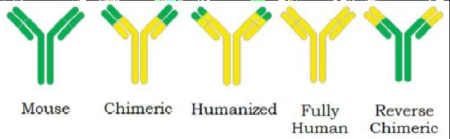
    As explained in the Federal Circuit's opinion, the types of antibody molecules that can be produced in mice using modern immunological and molecular biological techniques ranges from completely murine to completely human, and also include chimeric antibodies (encoded by human constant region genes and mouse variable domain genes) and "reverse" chimeric antibodies (encoded by human variable region genes and mouse constant region genes).  These possibilities are illustrated in the brief by a diagram (where green portions of the antibodies are encoded by mouse genes and yellow portions are encoded by human genes):

    FigureRelevant to the issues before the Court was construction of the proper scope and meaning of the term "comprising in its germline human unrearranged variable region gene segments."  Regeneron argued that this term was limited to inserting only human unrearranged variable regions genes, and thus only reverse chimeric antibodies encoded in the recombinant mouse genome; Regeneron argued its construction was supported by the plain meaning of the term and the '018 patent specification.  Merus, on the other hand, argued that the word "comprising" in the claim made the proper construction broader than just insertion of human unrearranged variable region gene segments, but also encompassed humanized, fully human, and reverse chimeric antibody embodiments.  The District Court adopted Merus' construction.

    It was undisputed that during prosecution of the '018 patent, four references were known to Regeneron and its counsel that were not cited to the U.S. Patent and Trademark Office.  These references are:

    1.  Marianne Brüggemann & Michael S. Neuberger, "Strategies for Expressing Human Antibody Repertoires in Transgenic Mice," 17(8) Review Immunology Today 391 (1996) ("Brüggemann");

    2.  Shinsuke Taki et al., "Targeted Insertion of a Variable Region Gene into the Immunoglobulin Heavy Chain Locus," 262 Science 1268 (1993) ("Taki");

    3.  Yong–Rui Zou et al, "Cre-lox P-mediated Gene Replacement: A Mouse Strain Producing Humanized Antibodies," 4(12) Current Biology 1099 (1994) ("Zou"); and

    4.  WIPO Patent Publication No. WO 91/00906 entitled "Chimeric and Transgenic Animals Capable of Producing Human Antibodies," credited to Clive Wood et al. ("Wood").

    These references were cited by a third party during prosecution of a related application after Regeneron received a Notice of Allowance for the '018 patent.  Regeneron did not submit these references to the Office in the application that was granted as the '018 patent but did cite these references in all other pending related applications.  Also noted was a purported irregularity in prosecution of the '018 patent, where Regeneron's counsel made representations that a transgenic mouse according to the claims had been produced and yielded surprising results when in fact no such mouse had been made at the time the application was filed.

    The District Court applied the rubrics of the Federal Circuit's Therasense decision in arriving at its conclusion that the claims were unenforceable due to inequitable conduct.  These rubrics are: 1) that prior art was not disclosed to the Examiner during prosecution that was "but-for" material, i.e., the patent would not have granted but for the non-disclosure because the undisclosed art rendered the granted claims unpatentable; 2) the uncited art was not cumulative to art considered by the Examiner; and 3) there was an intent to deceive the Examiner by not disclosing the uncited references.  The materiality and intent prongs of the test must be established by clear and convincing evidence, but a court has discretion in deciding that claims are unenforceable.

    The District Court made the following findings of fact regarding the uncited references:

    • Brüggemann was a review article that suggested replacing mouse Ig genes with human Ig genes in the mouse Ig locus.  This specific "swapping" of the mouse and human genes would be an improvement over random integration (this was an argument Regeneron had made in support of its own invention).  Regeneron's basis for distinguishing this reference was that it does not teach reverse chimeric antibodies, but the District Court's claim construction vitiated whatever force that argument may have had (or the significance of that argument on the materiality of the reference).

    • The Wood reference (according to the District Court) also disclosed Ig locus targeting, based on expert testimony.  The materiality of this reference was also based on its teaching that the constant region can be exogenous or endogenous, and thus encompasses insertion into the mouse Ig locus.

    • The Taki reference disclosed insertion of variable region genes from one mouse into another mouse, but the District Court found the relevant consideration to be targeting exogenous Ig genes into an endogenous mouse Ig locus, not the mouse-human distinction.  However, neither the District Court nor the Federal Circuit addressed the distinction with the '018 patent claims that Taki discloses introduction of rearranged variable region genes and the '018 patent claims introduction of unrearranged human variable region genes.

    • The Zou reference disclosed modifying mouse constant region not variable region genes; but here again, the District Court found the salient disclosure was targeting exogenous Ig genes into the mouse Ig locus.

    Although neither the District Court nor the Federal Circuit found these references, alone or in combination, satisfied the requirements in the statute for invalidating the '018 patent claims (a fact noted in Judge Newman's dissent), the District Court found that these references were "but for" material and this satisfied the first prong of the Therasense test for finding inequitable conduct.

    The District Court also found that these references were not cumulative over the cited prior art, in particular U.S. Patent No. 6,114,598 to Kucherlapati, and a reference to Lonberg that had been overcome during prosecution of the '018 patent.  Regeneron argued that the Brüggemann reference was cumulative over Kucherlapati; the Wood reference was cumulative over Lonberg; and the Taki reference was cumulative over the combination of Kucherlapati and Lonberg.  Specifically, Regeneron argued that Kucherlapati taught substitution of an exogenous ("xenogeneic") locus at an endogenous target locus in the mouse genome, and that Lonberg taught a "knockout plus transgene" model, where the human antibody-encoding sequences are randomly inserted and the endogenous mouse Ig genes are disabled.  The District Court distinguished the Kucherlapati reference from the Brüggemann reference by finding that Kucherlapati taught wholesale replacement of exogenous Ig for the endogenous mouse Ig locus, and that such a replacement included mouse regulatory sequences whose removal could interfere with normal B-cell development and antibody production.  With regard to the Lonberg reference, the District Court found that the Wood reference taught targeted insertion (as recited in the '018 patent claims) while Lonberg taught insertion at random sites in the mouse genome.  And the District Court found that the combination of Kucherlapati and Lonberg was not cumulative to the Taki reference because Taki taught targeted insertion and neither Kucherlapati nor Lonberg have these teachings.

    The Federal Circuit majority affirmed in an opinion that found the District Court's findings on these factual issues were not clearly erroneous and supported the District Court's inequitable conduct determination.  Turning to the second prong of the Therasense test, intent to deceive, the opinion reviewed the litigation misconduct catalogued by the District Court in its opinion and found that the Court's decision to forego the second part of the bifurcated trial on inequitable conduct and draw an adverse inference that there was an intent to deceive was not an abuse of discretion.  The Court was supported in its decision because Regeneron had not "meaningfully dispute[d] any of the factual findings underlying the district court's decision."  These findings included improperly withholding and citing on privilege logs documents clearly not privileged (such as experimental data); withholding as privileged information where the privilege had been waived; and withholding evidence of patent prosecution counsels' reasoning and state of mind relevant to whether counsel had an intent to deceive.  The latter included, inter alia, the following cited in the Court's opinion:

    • "I firmly believed—and still believe today— that Brüggemann, Taki, Zou and Wood were not material to patentability because they were substantially different from the mice claimed in the '176 application . . . and were cumulative of other information before the Patent Examiner."

    • [Counsel's] description of his understanding of what a materiality analysis for inequitable conduct involves: "Regardless of whether I satisfied the minimum requirements of being an ordinary skilled artisan, I felt comfortable evaluating the art from that perspective during the prosecution of the '176 application.  When I did have questions, however, I did not hesitate to reach out to those with more experience and knowledge."

    • "I routinely made Regeneron inventors aware of the foregoing obligations when providing them with invention declarations."

    • With regards to Brüggemann and Zou, "I was generally familiar with the subject matter of those two references . . . [a]t no time did I consider these references to be material to patentability to the claims pending in the '176 "

    • "Because of this experience [prosecuting the '176 application as well as the '287 Patent], I was readily familiar with both prior art that was before the Examiner in the '176 application and the pending claims of the '176 application."

    • "I viewed the analysis [relating to the Withheld References] as straightforward."

    • "I concluded that [the Withheld References], alone or combined with other prior art of which I was aware, were cumulative of information already before the Examiner.  Furthermore, it was my view that the skilled artisan would not have viewed them as teaching the reverse chimeric inventions that the Examiner had allowed in the '176 application

    The panel found Regeneron's (or its counsel's) conduct regarding this third category of withheld documents to be "the most troubling."  The panel majority rejected Regeneron's argument that the sanction of drawing an adverse inference was in fact a dismissal that was an abuse of discretion, stating:

    Regeneron also argues that the district court's sanction was not an adverse inference but was, in fact, a dismissal which should have required a predicate finding of bad faith.  . . .  As explained above, however, the district court's sanction was not a dismissal but was a properly drawn adverse inference against Regeneron.  Even Regeneron admits that bad faith is not required for such a sanction.

    And regarding the relationship between litigation misconduct and intent to deceive during patent prosecution, the majority found a nexus that supported the District Court's decision to impose the sanction of raising an adverse inference to satisfy the intent to deceive prong of the Therasense test:

    Regeneron's litigation misconduct, however, obfuscated its prosecution misconduct.  In particular, Regeneron failed to disclose documents directly related to its prosecuting attorneys' mental impressions of the Withheld References during prosecution of the '018 patent.  The district court drew an adverse inference to sanction this litigation misconduct.  The district court did not punish Regeneron's litigation misconduct by holding the patent unenforceable.  Only after Merus proved the remaining elements of inequitable conduct did the district court hold the patent unenforceable.  In light of Appellant's widespread litigation misconduct, including Appellant's use of sword and shield tactics to protect [prosecution counsel's] thoughts regarding disclosure of the Withheld References to the PTO during prosecution of the '018 patent, we conclude that the district court did not abuse its discretion by drawing an adverse inference of specific intent to deceive the PTO.

    Judge Newman penned a strong dissent, based on her conviction that "my colleagues apply incorrect law and add confusion to precedent."

    Citing Therasense, Judge Newman correctly states that intent to deceive cannot be inferred but must be proven by clear and convincing evidence.  Here, improperly, the "[district] court inferred intent to deceive during prosecution and invalidated the patent, as a sanction for purported attorney misconduct during this litigation."  Also, "there was no evidentiary record developed on intent to deceive, with no testimony and no opportunity for examination and cross-examination of witnesses."  In her view, "[t]he panel majority instead engages in innuendo based on its careful selections from documents not admitted into evidence.  The panel majority thus convicts Regeneron, its counsel, and its scientists, with no trial, no evidence, and no opportunity to respond in their defense."

    Judge Newman bases her dissent on the Court's prior decision in Aptix Corp. v. Quickturn Design Systems, Inc., 269 F.3d 1369 (Fed. Cir. 2001).  Of that decision, she writes, "[e]ssentially, we held that courts may not punish a party's postprosecution misconduct by declaring the patent unenforceable" and cites multiple cases applying the principle that litigation misconduct can bar a litigant but does not render a patent unenforceable.  Mere accusation is not enough: "[i]ntent to deceive is not established by accusation and innuendo.  It is only established by evidence."  And, she asserts, that evidence "must be sufficient to require a finding of deceitful intent in the light of all the circumstances," citing Therasense, 649 F.3d at 1290 (quoting Kingsdown Med. Consultants Ltd. v. Hollister Inc., 863 F.2d 867, 873 (Fed. Cir. 1988) (emphasis original)).

    Judge Newman also disagrees with the majority on the materiality of the references, but here reasonable minds can differ and the District Court's factual determinations are entitled to clear error deference.

    Both the District Court's decision and the Federal Circuit majority's affirmance raise issues about the proper implementation of both prongs of the Therasense test.  With regard to "but-for" materiality, the conceit is that the standard of claim construction used by the Examiner, broadest reasonable interpretation, is the same claim construction used by the district court, and that is enough to ensure that the outcome is the same.  Here, whether the withheld references were "but-for" material depends on whether the PTO interpreted the claims as the District Court did regarding the phrase "comprising [human variable chain immunoglobulin genes]."  If, as Regeneron contended, the claim language precluded embodiments wherein all or part of the human constant region genes were included, then the materiality of the undisclosed references may not have been as apparent to Regeneron as it was to the District Court and the majority of this Federal Circuit panel.  This raises a serious issue of whether a district court must (or at least should) be bound by evidence of the context of prosecution to determine whether the Examiner would have considered an uncited reference to satisfy the but-for materiality test (which reasonably should be the standard for whether an applicant or her counsel withheld material references during prosecution).

    The more egregious error Regeneron asserted against the District Court's decision revolved around the Court drawing an adverse inference of deceptive intent against the attorneys who prosecuted the patents based on litigation misconduct by attorneys other than the two prosecutors.  Because intent to deceive is personal (insofar as it applies only to those individuals who have a Rule 56 duty to disclose), it seems inequitable to draw such an inference against the attorneys who prosecuted the '018 patent based on the conduct (bad or just misunderstood) of litigation counsel who did not have a Rule 56 duty of candor and were not involved in prosecuting the '018 patent to allowance.  Inequitable conduct based on a practitioner's intent to deceive is a serious allegation having deleterious consequences to a patent prosecutor's reputation and can also have as negative repercussions an ethics inquiry by the PTO's disciplinary officials.  Accordingly, it is not unreasonable for patent prosecutors to be placed in such jeopardy solely due to their own mis- or malfeasance rather than to be at the whim of conduct by litigation counsel taken for strategic reasons at trial (as the District Court's decision and Federal Circuit opinion alleged here) that are found to be subject to sanction.  The decision also perhaps raises questions of whether improperly rendering a patent unenforceable for inequitable conduct by a misapplication of the Therasense standard may amount to a 14th Amendment violation for taking property rights without due process.

    Regeneron Pharmaceuticals, Inc. v. Merus N.V. (Fed. Cir. 2017)
    Panel: Chief Judge Prost and Circuit Judges Newman and Wallach
    Opinion by Chief Judge Prost; dissenting opinion by Circuit Judge Newman

  • By Kevin E. Noonan –

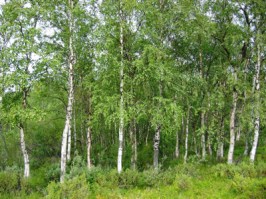
    Betula_pendula_FinlandA recent report in the scientific journal Nature Genetics 49: 904–12 (May 2017), doi:10.1038/ng.3862, disclosed the results of genomic DNA sequencing and analysis of Betula pendula, the silver birch tree.

    The report, entitled "Genome sequencing and population genomic analyses provide insights into the adaptive landscape of silver birch," was the result of a multinational effort* indicative of the importance of this species.  B. pendula is a "pioneer boreal tree," and boreal forests comprise 30% of total global forest area.  Recently these forests are undergoing "extensive climate change," including increases of 1.5 °C/year, a trend expected to reach an estimated 4-11 °C increase by 2100.  As a consequence, climate zones will shift faster than the trees can migrate, an eventuality that could have commercially important consequences for fiber and biomass production.  Silver birch are also attractive targets for forest biotechnology, having a relatively small (440 Mbp) genome and a rapid lifecycle (that can be induced to flower within 1 year).

    The scientists sequenced 150 individual birch trees (80 from B. pendula) and assembled a 435 Mbp genomic map.  Ancestor species to silver birch were known to have undergone a paleohexaploid event in its evolutionary history, but as a species there has been an absence of whole genome duplication events since.  Comparisons of individuals sequenced across 12 sites from Western Norway to Siberia showed that the "effective population size" had crashed at "major points of climatic upheaval" (the Cretaceous–Paleogene boundary, where populations fell to less than 10,000; the Eocene-Oligocene, the mid-Miocene, and the Pleistocene), and these population crashes were also correlated with known speciation events.  Further regarding these results on birch tree populations, the researchers showed Finland to be the source of genetic mixing between European and Asian varieties, and that Irish samples showed extensive genetic admixing between related species.

    Using SNP analysis as the basis for the genetic map, the report identifies 14 chromosomal linkage groups and 3.4 million markers.  These researchers also sequenced and annotated organellar genomes (mitochondria and chloroplasts), which were discussed primarily on the Suppplementary materials.  By various means 16,906 – 18,951 transcripts were detected with an average length of 1,683 bp; genetic analysis yielded 17,746 genes based on almost full-length transcriptome evidence.  Outside the protein-encoding portions of the silver birch genome, 49.23% of birch genomic DNA was transposable elements and 30.6% of it retrotransposons.

    Assessing families of retrotransposons, Gypsy and Copia "superfamily" members were less common (8.5% and 2.3%, respectively), and had fewer evolutionarily "younger" (<50,000 y.o.) members compared with plant genomes having similar size and complexity.  "Nonautonomous" element group TRIM elements were more abundant, at 6.4% compared with pear, for example (1.26%).

    Comparing birch genome by syntenic alignment with grapevine and other eudicots, no evidence was found for whole genome duplications post-divergence from these other species; the only internally duplicated blocks of sequence stem from the ancient gamma hexaploidy event found at the base of the eudicot evolutionary tree.

    The report also discloses two pools of duplications, which are known generally to be sources of functional novelty in eukaryotes: "duplicate genes deriving from the ancient hexaploidy event, and those stemming from ongoing tandem (segmental) duplications."  Transcription factor genes were overrepresented in these duplications, which the authors interpreted as "biased retention of highly interconnected genes following the duplication of entire functional modules."  Also, tandemly duplicated genes in silver birch were found to be enriched for secondary metabolism, bacterial defense, hormonal response, and hormone and nutrient transport.  "These results suggest that whereas polyploid duplicates tend to diversify core processes in developmental and physiological regulation, tandem duplicates enhance the diversity of a plant's environmental response capacity, which is in concurrence with previous studies," the authors concluded.

    Also found was genetic evidence of interspecies admixture, following genomic sequencing of "five other diploid birch species (Betula nanaBetula platyphyllaBetula populifoliaBetula occidentalis, and Betula lenta), the tetraploid birch Betula pubescens, two alder species from the related genus Alnus (Alnus incana and Alnus glutinosa), and B. pendula individuals originating from 12 populations native to Ireland, Norway, Finland, and Russia."  The authors note that these comparisons are consistent with "allopatric division during the last Ice Age, followed by subsequent admixture when the two populations rejoined after ice-sheet retreat, as has been suggested on the basis of chloroplast DNA evidence."

    The report shows the results of studies using resequenced individuals to detect regions of selective sweeps, where natural selection acting on a locus sweeps away variation across a genomic region surrounding the locus; these were found to have acted mostly on genes dating from the ancient gamma hexaploidy event.  In these sweep regions 913 genetic loci were identified, including three that were 'significantly enriched: transmembrane receptor protein tyrosine kinase signaling pathway genes (23 genes including BAM3 (leaf shape, size and symmetry), PXC2, PXC3 (secondary cell wall formation in developing wood), MOL1 (cambrium homeostasis), MIK1 (stem vascular development), and MDIS1 (recognition of female chemoattractant); peptidyl-histidine phosphorylation genes, including phytochrome genes PHYAPHYB, and PHYC (involved in red and far-red light response) and genes encoding histidine kinases such as cytokinin receptors AHK2, AHK3, and AHK4 (CRE1), osmosensor AHK1, and ethylene receptors ERS1 and ETR2, involved in acclimation to abiotic stress, shoot and root vascular development, flowering time, and longevity; and genes involved in longitudinal axis specification, including MONOPTEROS and GNL1 (embryo and vascular development), two homologs of TOADSTOOL 2 (meristem maintenance), and two homologs of WRKY2 (polen development and zygote polarization).

    In addition, 423 of the 913 genes had between 9% and 100% of the observed allelic variation explanable by population structure and general environmental variables such as temperature and precipitation.  Six genes had significant associations and what the authors termed 'intriguing molecular functions."  These genes were verified by phylogenetic analysis as orthologs of the A. thaliana genes SWEETIE (involved in sugar homeostasis, response to abiotic stresses such as cold and drought), KAKTUS (KAK) (a suppressor of endoreduplication associated with lower temperatures), ARABIDOPSIS RESPONSE REGULATOR 1 (ARR1)(a cytokine signaling gene, important in wood formation in tree trunks), MED5A (encoding Mediator complex protein MED5A, also known as MED33A, involved in lignin formation, important for pulp and paper production), PHYTOCHROME C (PHYC), and FAR1-RELATED SEQUENCE 10 (FRS10)(genes that are genetically linked and together involved in red and far-red light sensing, shade avoidance, canopy density, temperature-dependent adaptation, and flowering time regulation).

    As summarized by the authors, the significance of these findings is as follows:

    Using the B. pendula reference genome and resequenced individuals spanning the geographic range of silver birch, we were able to characterize genomic adaptations at several levels.  First, we detected enrichments of [transcription factor] functions that date to the core-eudicot crown radiation.  Second, we uncovered a suite of gene duplicates involved in environmental responses that were not polyploidy derived but instead stem from ongoing tandem duplication processes.  Such duplicates are generated by the same mechanisms as copy number variants (CNVs), which have come under intense recent study (particularly in animal genomes) as adaptive "tuning knobs" at the inter-population level.

    In view of the ecological and commercial importance of the silver birch, its potential for biotechnological adaptation as an improved source of wood pulp, and its active selection by changing climate conditions, the results in this paper suggest the silver birch may be a fruitful model for how genetic adaptation in arboreal forests can be understood and responsibly exploited.

    As has frequently the case, such genomic studies yield new insights into the genetic basis for well-known variations (see, for example, "Leg Length Variation in Dogs and its Relevance to Human Mutations").  In silver birch, the research reported here uncovered the basis for the "weeping" phenotype (B. pendula "Yoingii") in silver birch to be related to "an in-frame stop codon was found in the birch AtLAZY1 ortholog."  The LAZY1 gene is known to be a member of the IGT protein family and regulates tiller orientation in rice and maize as well as inflorescence branch angle in Arabidopsis.  It is also believed to "influence gravitropism through regulation of auxin transport and signaling."Lateral organs in maize lazy1 mutants fail to grow vertically, giving rise to a phenotype similar to that observed in 'Youngii'," and thus the authors conclude that "[t]he stop codon in the birch LAZY1 ortholog could thus explain its weeping phenotype."

    * A plurality of researchers were from various departments at the University of Helsinki; Department of Environmental and Biological Sciences, University of Eastern Finland; Genetics and Physiology Unit, University of Oulu; Department of Ecology and Genetics, Evolutionary Biology Center and Science for Life Laboratory, Uppsala University; Finnish National Institute of Health and Welfare; Finnish Institute of Occupational Health, School of Forest Biotechnology; Green Technology, Natural Resources Institute Finland; Molecular Plant Biology, Department of Biochemistry, University of Turku, Finland; Agricultural and Food Science/Scientific Agricultural Society of Finland; Chemistry and Toxicology Research Unit, Finnish Food Safety Authority Evira; Department of Plant Sciences, Norwegian University of Life Sciences, Norway; Umeå Plant Science Centre, Department of Plant Physiology, Umeå University, Sweden; Blueprint Genetics; Forest Research Institute Karelian Research Centre Russian Academy of Sciences and Institute of Plant Physiology, Russian Academy of Sciences, Russia; Institute of Botany, The Chinese Academy of Sciences and Zhejiang Agriculture and Forestry University, China; Unité AGRI′TERR, UniLaSalle, Campus de Rouen, France; Sainsbury Laboratory, University of Cambridge, and Department of Haemato-oncology, King's College London, UK; DBN Plant Molecular Laboratory, National Botanic Gardens of Ireland, Dublin; Institute of Agricultural and Environmental Sciences, Estonian University of Life Sciences and Institute of Technology, University of Tartu, Estonia; Royal Haskoning DHV, Netherlands; Appalachian Fruit Research Station, Agricultural Research Service, United States Department of Agriculture, West Virginia; and Department of Biological Sciences, University of Buffalo.

    Image of Betula pendula, Inari wilderness, Finland, by Percita at Flickr, from the Wikipedia Commons under the Creative Commons Attribution-Share Alike 2.0 Generic license.

  • By John Cravero

    USPTO SealAbout the PTAB Life Sciences Report:  Each month we will report on developments at the PTAB involving life sciences patents.

    Pfizer, Inc. v. Biogen, Inc.

    PTAB Petition:  IPR2017-01115; filed March 24, 2017.

    Patent at Issue:  U.S. Patent No. 7,820,161 ("Treatment of autoimmune diseases," issued October 21, 2010) claims a method of treating rheumatoid arthritis in a human comprising: (a) administering to the human more than one intravenous dose of a therapeutically effective amount of rituximab; and (b) administering to the human methotrexate.

    Petitioner Pfizer, Inc. is challenging the '161 patent on three grounds as being obvious under 35 U.S.C. § 103(a).  View the petition here.

    Related Matters:  According to the petition, the '161 patent is presently the subject of inter partes review IPR2016-01614 (Celltrion, Inc.; filed 08/15/2016; instituted 02/24/2017; pending).  Also, the '161 patent was the subject of inter partes reviews IPR2015-00415 (Boehringer Ingelheim Pharmaceuticals, Inc.; filed 12/15/2014; instituted 07/17/2015; terminated 10/01/2015 pursuant to a Request for Adverse Judgment by petitioner); and IPR2015-01744 (Celltrion, Inc.; filed 08/17/2015; terminated 10/06/2015 pursuant to a Motion to Dismiss filed by petitioner).


    Celltrion, Inc. v Genentech, Inc.

    PTAB Petition:  IPR2017-01139; filed March 24, 2017.

    Patent at Issue:  U.S. Patent No. 6,627,196 ("Dosages for treatment with anti-ErbB2 antibodies," issued September 30, 2003) claims a method for the treatment of a human patient diagnosed with cancer characterized by overexpression of ErbB2 receptor, comprising administering an effective amount of an anti-ErbB2 antibody to the human patient, the method comprising: administering to the patient an initial dose of at least approximately 5 mg/kg of the anti-ErbB2 antibody; and administering to the patient a plurality of subsequent doses of the antibody in an amount that is approximately the same or less than the initial dose, wherein the subsequent doses are separated in time from each other by at least two weeks.

    Petitioners Celltrion, Inc., Celltrion Healthcare Co. Ltd., and Teva Pharmaceuticals International GmbH are challenging the '379 patent on one ground as being obvious under 35 U.S.C. § 103(a).  View the petition here.

    Related Matters:  According to the petition, the '379 patent is the subject of inter partes review IPR2017-00804 (Hospira, Inc; filed 01/30/2017; pending).  Also, Petitioners concurrently filed a petition for inter partes review of related U.S. Patent No. 7,371,379 (IPR2017-01140; filed 03/24/2017; pending), which is also the subject of inter partes review IPR 2017-00805 (Hospira, Inc.; filed 01/30/2017; pending).


    Celltrion, Inc. v Genentech, Inc.

    PTAB Petition:  IPR2017-01140; filed March 24, 2017.

    Patent at Issue:  U.S. Patent No. 7,371,379 ("Dosages for treatment with anti-ErbB2 antibodies," issued May 13, 2008) claims a method for the treatment of a human patient diagnosed with cancer characterized by overexpression of ErbB2 receptor, comprising administering an effective amount of an anti-ErbB2 antibody to the human patient, the method comprising: administering to the patient an initial dose of at least approximately 5 mg/kg of the anti-ErbB2 antibody; and administering to the patient a plurality of subsequent doses of the antibody in an amount that is approximately the same or less than the initial dose, wherein the subsequent doses are separated in time from each other by at least two weeks; and further comprising administering an effective amount of a chemotherapeutic agent to the patient.

    Petitioners Celltrion, Inc., Celltrion Healthcare Co. Ltd., and Teva Pharmaceuticals International GmbH are challenging the '379 patent on one ground as being obvious under 35 U.S.C. § 103(a).  View the petition here.

    Related Matters:  According to the petition, the '379 patent is the subject of inter partes review IPR 2017-00805 (Hospira, Inc.; filed 01/30/2017; pending).  Also, Petitioners concurrently filed a petition for inter partes review of related U.S. Patent No. 6,627,196 (IPR2017-01139; filed 03/24/2017; pending), which is also the subject of inter partes review IPR2017-00804 (Hospira, Inc; filed 01/30/2017; pending).


    Lupin Ltd. v Horizon Therapeutics, LLC.

    PTAB Petition:  IPR2017-01159; filed March 27, 2017.

    Patent at Issue:  U.S. Patent No. 9,254,278 ("Methods of therapeutic monitoring of nitrogen scavenging drugs," issued February 9, 2016) claims a method of treating a subject with a urea cycle disorder, the method comprising: administering to the subject in need thereof glyceryl tri-[4-phenylbutyrate] in an amount sufficient to produce a fasting plasma ammonia level that is less than half the upper limit of normal for plasma ammonia level.

    Petitioners Lupin Ltd. and Lupin Pharmaceuticals Inc. are challenging are challenging the '278 patent on three grounds as being obvious under 35 U.S.C. § 103(a).  View the petition here.

    Related Matters:  According to the petition, the '278 patent is the subject of the following litigations:  Horizon Therapeutics, LLC. v. Lupin Ltd. et al., 1:16-cv-04438 (D.N.J.), and Horizon Therapeutics, Inc. v. Par Pharmaceutical, Inc., 1-16-cv-03910 (D.N.J.).  Also, Petitioners concurrently filed a petition for inter partes review of related U.S. Patent No. 9,326,966 (IPR2017-01160; filed 03/27/2017; pending).


    Lupin Ltd. v Horizon Therapeutics, LLC.

    PTAB Petition:  IPR2017-01160; filed March 27, 2017.

    Patent at Issue:  U.S. Patent No. 9,326,966 ("Methods of therapeutic monitoring of nitrogen scavenging drugs," issued February 9, 2016) claims a method of treating a subject with a urea cycle disorder, the method comprising: administering to the subject in need thereof glyceryl tri-[4-phenylbutyrate] in an amount sufficient to produce a fasting plasma ammonia level that is less than half the upper limit of normal for plasma ammonia level.

    Petitioners Lupin Ltd. and Lupin Pharmaceuticals Inc. are challenging are challenging the '966 patent on two grounds as being anticipated under 35 U.S.C. § 102(b) (ground 1) and as being obvious under 35 U.S.C. § 103(a) (ground 2).  View the petition here.

    Related Matters:  According to the petition, the '966 patent is the subject of the following litigation:  Horizon Therapeutics, LLC. v. Lupin Ltd. et al., 1:16-cv-04438 (D.N.J.).  Also, Petitioners concurrently filed a petition for inter partes review of related U.S. Patent No. 9,254,278 (IPR2017-01159; filed 03/27/2017; pending).


    Smith & Nephew Inc. v. ConforMIS, Inc.

    PTAB Petition:  IPR2016-01874; filed September 21, 2016.

    PTAB Trial Instituted; entered March 27, 2017.

    Patent at Issue:  U.S. Patent No. 9,055,953 ("Methods and compositions for articular repair," issued June 16, 2015) claims a surgical instrument for the repair of a diseased articular joint surface of a joint, comprising: an inner surface having a curvature or shape based on information from image data of the diseased articular joint surface; and a slit defining a cutting path through at least a portion of the joint when the inner surface is applied to the diseased articular joint surface.

    Petitioner Smith & Nephew Inc. is challenging the '953 patent on four grounds as being obvious under 35 U.S.C. § 103(a).  View the petition here.  Administrative Patent Judges Beverly M. Bunting, James A. Worth (author), and Amanda F. Wieker issued a decision instituting inter partes review of whether claims 1–3 and 21–23 are obvious over Radermacher; claims 4–6, 10, 12–16, 19, 24–26, 30, 32–36, 40, 50–53, and 55–61 are obvious over Radermacher and Alexander; claims 7–9, 11, 17, 18, 20, 27–29, 31, 37–39, 41–49, and 54 are obvious over Radermacher, Alexander, and Carignan; claims 4–6, 10, 12–16, 19, 24–26, 30, 32–36, 40, 50–53, and 55–61 are obvious over Radermacher and Fell; and claims 7–9, 11, 17, 18, 20, 27–29, 31, 37–39, 41–49, and 54 are obvious over Radermacher, Fell, and Carignan.

    Related Matters:  According to the petition, the '532 patent is the subject of the following litigation:  ConforMIS, Inc. v. Smith & Nephew, Inc., No. 1:16-cv-10420-IT (D. Mass.).


    Merck Sharp & Dohme Corp. v Wyeth LLC.

    PTAB Petition:  IPR2017-01194; filed March 29, 2017.

    Patent at Issue:  U.S. Patent No. 8,895,024 ("Multivalent pneumococcal polysaccharide-protein conjugate composition," issued November 25, 2014) claims a multivalent immunogenic composition comprising 13 distinct polysaccharide-protein conjugates and a physiologically acceptable vehicle, wherein each of the conjugates comprises a capsular polysaccharide from a different serotype of Streptococcus pneumoniae conjugated to a carrier protein, wherein the serotypes consist essentially of 1, 3, 4, 5, 6A, 6B, 7F, 9V, 14, 18C, 19A, 19F and 23F, and wherein the carrier protein is CRM197.

    Petitioner Merck Sharp & Dohme Corp. is challenging the '024 patent on three grounds as being anticipated under 35 U.S.C. § 102(b) (ground 1) and as being obvious under 35 U.S.C. § 103(a) (grounds 2 and 3).  View the petition here.

    Related Matters:  According to the petition, Petitioner has filed two Petitions for post grant review of related U.S. Patent No. 9,399,060 (PGR2017-00016; filed 03/22/2017; pending), and (PGR2017-00017; filed 03/24/2017; pending).  Petitioner also filed petitions for inter partes review of related U.S. Patent Nos. 8,562,999 (IPR2017-00378; filed 12/01/2016; pending, IPR2017-00380; filed 12/01/2016; pending, and IPR2017-00390; filed 12/02/2016; pending).


    Edwards Lifesciences Corp. v. Boston Scientific Scimed, Inc.

    PTAB Petition:  IPR2017-00060; filed October 12, 2016.

    PTAB Trial Instituted; entered March 29, 2017.

    Patent at Issue:  U.S. Patent No. 8,992,608 ("Everting heart valve," issued March 31, 2015) claims a system for replacing a heart valve.

    Petitioners Edwards Lifesciences Corp., Edwards Lifesciences LLC., and Edwards Lifesciences AG are challenging the '608 patent on eleven grounds as being anticipated under 35 U.S.C. § 102(b) (grounds 1 and 11), and as being obvious under 35 U.S.C. § 103(a) (grounds 2-10).  View the petition here.  Administrative Patent Judges Neil T. Powell, James A. Tartal (author), and Robert L. Kinder issued a decision instituting inter partes review of whether claims 1–4 are obvious over Spenser and Elliot under 35 U.S.C. § 103(a); whether claims 1–4 are obvious over Spenser and Thornton under 35 U.S.C. § 103(a); and whether claims 1–4 are obvious over Spenser and Cook, under 35 U.S.C. § 103(a).

    Related Matters:  According to the petition, the '608 patent is the subject of the following litigation:  Boston Scientific Corp. et al. v. Edwards Lifesciences Corp., Case No. 1:16-cv-00275 (D. Del.).

  • United Kingdom FlagThe UK Supreme Court's judgment in Lilly v Actavis has profound implications for the scope of protection provided by patent claims in the UK.

    The judgment moves away from the principle that the patentee should enjoy the full extent, but no more than the full extent, of the monopoly that a reasonable person skilled in the art, reading the claims in context, would think he was intending to claim.  Rather, following this new decision, a patent claim in the UK can be infringed by products or processes that are not within the ambit of the language used in the claims.

    Legal background

    The legislative provisions governing the scope of protection conferred by a patent in the UK are governed, as in the other EPC States, by Article 69 EPC and the Protocol thereto.  The text of Article 69 EPC and its Protocol are set out in the Annex.

    Article 2 of the Protocol requires that "due account" must be taken of any element that is "equivalent" to an element specified in the claims.  However, the UK courts have long been reluctant to recognise a doctrine of equivalents, in the sense that a claim should protect subject matter that is different from, but equivalent to, that specified in the claim.  Rather, the courts have applied a doctrine of "purposive construction", in which they seek to determine what the person skilled in the art would have understood the patentee to be using the language of the claim to mean.

    The leading case explaining this approach of purposive construction was House of Lords case Kirin-Amgen v TKT[1].  That case involved a claim for recombinant erythropoietin, prepared in a eukaryotic host cell.

    In Kirin-Amgen v TKT, the court noted that other jurisdictions, such as the United States, did apply a doctrine of equivalents, but opined that such a doctrine was "born of despair" and that the correct approach was simply to assess what the person skilled in the art would have understood the patentee to be claiming.  On the facts of the case, the court held that a skilled person would understand a "host cell" to be a cell that is host to a foreign DNA sequence that encodes erythropoietin or an erythropoietin analogue.  TKT's product was not prepared via such a cell, and therefore did not infringe.

    Facts and history of the present case

    The claims of Lilly's patent related to the use of the disodium salt of pemetrexed in the manufacture of a medicament for use in combination with vitamin B12 for the treatment of cancer.  A corresponding medicament including pemetrexed disodium and the vitamin (Alimta®) had been successfully marketed by Lilly since 2004.  In order to clear the way for marketing of competing products, Actavis applied for declarations of non-infringement in relation to various pemetrexed products comprising the diacid (non-salt) form of pemetrexed or alternative salt forms to disodium (such as dipotassium).

    Actavis' position was that their products should not infringe directly because in no sensible way could pemetrexed dipotassium (for example) be said to fall within the expression "pemetrexed disodium" as recited in claim 1 of the patent.  Given the background outlined above, and following Amgen v TKT, Actavis could reasonably have expected the courts to take the view that there was no direct infringement of Lilly's patent, and indeed the first instance court and the Court of Appeal did just that.  In the UK it is, though, possible to ask the Supreme Court to hear an appeal from a ruling from the English Court of Appeal on a point of law of general public importance, and in this instance the Supreme Court agreed to hear such an appeal.

    Direct infringement

    On appeal, the Supreme Court recognised that the expression "pemetrexed disodium" set out in claim 1 of the patent could not in any sensible way be interpreted so as to cover, for example, pemetrexed dipotassium.  However, contrary to the reasoning in Amgen v TKT, the court then held that this should not be the definitive question for determining infringement.  Rather, Lord Neuberger, who gave judgment for the court, ruled that a variant that is not covered by the claims as a matter of normal interpretation could nevertheless infringe if it varies from the claimed invention only in an immaterial way.

    In reaching this conclusion, the judge noted that Article 2 of the Protocol to Article 69 EPC makes it clear that there is potentially a difference between the interpretation of a claim and the extent of protection conferred by the claim and that, when assessing that difference, equivalents must be taken into account.  He also reviewed relevant case law in other EPC states (Germany, France, Italy, Spain, and the Netherlands), and noted that many of these states already apply a doctrine of equivalents.

    A new three-part test for determining whether a variant outside the normal meaning of the claims can infringe was then set out.  The three questions to be answered are:

    1.  Notwithstanding that it is not within the literal meaning of the relevant claim(s) of the patent, does the variant achieve substantially the same result in substantially the same way as the invention, i.e. the inventive concept revealed by the patent?

    2.  Would it be obvious to the person skilled in the art, reading the patent at the priority date, but knowing that the variant achieves substantially the same effect as the invention, that it does so in substantially the same way as the invention?

    3.  Would such a reader of the patent have concluded that the patentee nonetheless intended that strict compliance with the literal meaning of the relevant claim(s) of the patent was an essential requirement of the invention?

    It is noteworthy that the first question refers to the "inventive concept revealed by the patent".  The judge did not explain in detail what is meant by the "inventive concept".  He viewed it as requiring consideration of how the invention works, and equated it to terms he identified from other EPC jurisdictions, including a consideration of "the problem underlying the invention" and "the inventive core".  Presumably, identification of the "inventive concept" should involve an assessment of the features central to distinguishing the invention over the prior art.

    The second question requires an assessment of whether at the priority date of the patent it would be obvious that the variant achieves substantially the same result in substantially the same way as the invention.  The judge held that it was important that the knowledge that the variant exists, and that it achieves substantially the same effect, must be ascribed to the skilled person before the question is asked.  It follows that it is possible to have an affirmative answer to the second question even where the variant was unforeseeable at the priority date.

    As regards the third question, the judge clarified that the relevant issue is whether or not the feature at issue is essential to the "invention", not whether or not it is essential to the product or process of which the inventive concept is part.  For example, a distinction can be drawn between features that contribute to the inventive concept and conventional features that are merely essential to the operation of a particular product or process that embodies the inventive concept (e.g., a conventional wheel might be an essential component of a new and inventive bicycle, but not essential to the corresponding "invention").

    The judge further held that the third question should be considered in the light of the specification as a whole and the knowledge and expertise of the skilled person.  He also pointed out that the fact that the language of the claim excludes the variant on any sensible reading is not enough to justify the answer "yes".  Finally, he emphasised that it is necessary to imbue the skilled person with the knowledge of the variant and the fact that it achieves substantially the same effect as the claimed invention when assessing the third question.

    Application of the test

    On the facts of the case, the first question was answered positively on the basis that all of Actavis' products worked in the same way as the invention, involving a medicament that is a combination of pemetrexed and vitamin B12.  The judge defined the inventive concept of the patent as the manufacture of a medicament which enables the pemetrexed anion to be administered with vitamin B12.

    The second question was also answered affirmatively since it was held that it would be appreciated at the priority date that the Actavis products would work in the same way as pemetrexed disodium when administered with vitamin B12.  Earlier findings of fact had been made in the first instance Patents Court judgment to the effect that the preparation of other suitable salt forms of a given molecule would not be a predictable exercise.  However, the second question presupposes knowledge that the particular variants in question are indeed functional, i.e., they achieve substantially the same result as the invention.

    Finally, the third question was answered in the negative on the basis that the specification did not teach any essentiality to the disodium salt of pemetrexed, but rather contained a more general disclosure of antifolates and their administration with vitamin B12.  Also, there was a finding that the skilled person would know, as a matter of common general knowledge, that different salt forms may be used and screened for routinely in drug development.  The fact that the particular specific disclosure of the patent and its examples related only to pemetrexed disodium did not justify, in the view of the judge, the conclusion that the patentee intended to limit the scope of protection of the granted patent to this salt form only.  In this regard, the judge drew a clear contrast between the disclosure of the specification of a patent and the scope of protection provided by the claims.

    The judge thus concluded that, subject to a consideration of the prosecution history, the Actavis products infringe claim 1 of the patent.

    Consideration of prosecution history

    The judge generally held that contents of a prosecution file should be treated with some scepticism.  However, he held that a reference to the file would be appropriate if:

    (i)     the point at issue is truly unclear if one confines oneself to the description and claims of the patent, and the contents of the file unambiguously resolve the point; or

    (ii)    it would be contrary to the public interest for the contents of the file to be ignored.

    An example of a situation arising under (ii) may, for example, be where a statement had been clearly made by the patentee that the scope of the claims do not extend to the relevant variant now claimed to be infringing.

    The review of Lilly's prosecution of the application at the European Patent Office established that limitations had been made to original broader claims relating to antifolates generally, in response to objections of lack of disclosure (Article 83 EPC) and lack of clarity (Article 84 EPC).  A claim to pemetrexed generally had then been further limited to pemetrexed disodium on the basis of an objection of added subject matter (Article 123(2) EPC).

    The judge noted that these limitations had been made to address objections based on the disclosure of the patent, and held that they were not relevant to the question of whether pemetrexed salts other than disodium should be within the scope of the patent pursuant to a doctrine of equivalents.  It is possible, of course, that a different conclusion would have been reached if the limitations had been necessary to distinguish the claimed invention from prior art cited by the Patent Office Examiner.

    For the reasons given above, all of Actavis' products were held directly to infringe Lilly's patent, as being immaterial variants of the claimed invention.

    Other infringement findings

    Given the findings on direct infringement, the debate on indirect infringement became moot.  However, Actavis were also held to be liable under Section 60(2) of the UK Patents Act as supplying means essential for putting the invention into effect, on the basis that the Actavis products would inevitably be dissolved in saline, which would lead to a dissolved sodium salt of pemetrexed.

    Findings of infringement were also made for Actavis' products under French, Italian, and Spanish law based on the original application made for the UK court to determine infringement in these jurisdictions, and applying the doctrine of equivalents provisions that exist in these EPC states.

    Comment

    The Supreme Court's judgment significantly changes previous UK practice for assessing infringement.  It has the effect of bringing UK law more in line with other European countries and so may be viewed as a nod towards the Unitary Patent system in which a more harmonised approach to infringement will be required.

    Given this development in the law in the UK, it may be appropriate for both patentees and those seeking to develop new products and processes to review any advice they have previously received on infringement, based on the previous Amgen v TKT precedent.  It may be that a different conclusion could be reached on the same facts following this new judgment.

    When drafting and prosecuting patent applications, it may now be more important to include disclosure in the specification relating to the nature of the invention that is framed at a general level.  This can then be used for assessing the inventive concept.  It also remains important to avoid unnecessary suggestions that particular features are essential to the working of the invention.

    If you would like to discuss the impact of this decision on any specific situation you face, please do not hesitate to contact your usual J A Kemp contact.


    ANNEX

    Article 69(1) EPC and Protocol Thereto

    Article 69(1) EPC:

    The extent of the protection conferred by a European patent or a European patent application shall be determined by the terms of the claims.  Nevertheless, the description and drawings shall be used to interpret the claims.

    Protocol:

    Article 1: General principles

    Article 69 should not be interpreted in the sense that the extent of the protection conferred by a European patent is to be understood as that defined by the strict, literal meaning of the wording used in the claims, the description and drawings being employed only for the purpose of resolving an ambiguity found in the claims.  Neither should it be interpreted in the sense that the claims serve only as a guideline and that the actual protection conferred may extend to what, from a consideration of the description and drawings by a person skilled in the art, the patentee has contemplated.  On the contrary, it is to be interpreted as defining a position between these extremes which combines a fair protection for the patentee with a reasonable degree of certainty for third parties.

    Article 2: Equivalents

    For the purpose of determining the extent of protection conferred by a European patent, due account shall be taken of any element which is equivalent to an element specified in the claims.

    [1] Kirin Amgen v Hoechst Marion Roussel [2004] UKHL 46 ([2005] RPC 169).  The judicial function of the House of Lords was succeeded by the Supreme Court in 2009.

    This article was reprinted with permission from J A Kemp.

  • CalendarJuly 24-25, 2017 – TTS North America summit*** (TTS Ltd.) – Weill Cornell Medicine in New York, NY

    July 25-26, 2017 – "Advanced Patent Prosecution Workshop 2017: Claim Drafting & Amendment Writing" (Practising Law Institute) – New York, NY

    July 27, 2017 – "Drafting Patent Counsel Engagement and Disengagement Letters — Structuring Scope of Engagement, Confidentiality, Conflicts of Interest and Other Key Provisions" (Strafford) – 1:00 to 2:30 pm (EDT)

    July 27, 2017 – "Bayh-Dole Compliance Check-up: Effectively Address the Challenge of Complacency" (Technology Transfer Tactics) – 1:00 to 2:00 pm (Eastern)

    July 27, 2017 – "Inevitable Disclosure, the DTSA, and Avoiding Contamination" (Intellectual Property Owners Association) – 2:00 to 3:00 pm (ET)

    July 27-29, 2017 – Annual Meeting & Conference (National Association of Patent Practitioners) – Silicon Valley U.S. Patent & Trademark Office in San Jose, CA

    July 31, 2017 – "Improve the Quality of Invention Disclosures through Researcher Outreach and Education" (Technology Transfer Tactics) – 1:00 to 2:00 pm (Eastern)

    August 2, 2017 – Biotechnology/chemical/pharmaceutical (BCP) customer partnership meeting (U.S. Patent and Trademark Office) – USPTO Alexandria Campus & Silicon Valley U.S. Patent and Trademark

    August 3, 2017 – "Patents and Export Control Compliance: Managing Risk and Avoiding Unintentional Violations — Minimizing Export Control Liability in Patent Application Preparation, Development and Analysis of Innovation, and Licensing" (Strafford) – 1:00 to 2:30 pm (EDT)

    August 10-11, 2017 – Advanced Patent Law Seminar (Chisum Patent Academy) – Seattle, WA

    August 14-15, 2017 – Advanced Patent Law Seminar (Chisum Patent Academy) – Seattle, WA

    August 17-18, 2017 – "Advanced Patent Prosecution Workshop 2017: Claim Drafting & Amendment Writing" (Practising Law Institute) – San Francisco, CA

    September 12-13, 2017 – "Advanced Patent Prosecution Workshop 2017: Claim Drafting & Amendment Writing" (Practising Law Institute) – Chicago, IL

    ***Patent Docs is a media partner of this conference or CLE

  • PLI #1Practising Law Institute (PLI) will be holding its "Advanced Patent Prosecution Workshop 2017: Claim Drafting & Amendment Writing" on July 25-26, 2017 in New York, NY, on August 17-18, 2017 in San Francisco, CA, and on September 12-13, 2017 in Chicago, IL.  Patent Docs author Donald Zuhn will chair and Patent Docs author Kevin Noonan will be presenting at the Chicago workshop.

    At the New York and Chicago seminars, PLI's faculty will offer presentations on the following topics:

    • Ethics in the PTO
    • Concurrent Sessions I – Advanced Specification Drafting Issues — all concurrent sessions and workshops will provide lectures specific to four different technologies: biotechnology, chemical/pharmaceutical, electromechanical, and electronics/computers
    • Concurrent Sessions II – Advanced Claim Drafting Issues
    • Concurrent Workshops I – Advanced Claim Drafting
    • Subject Matter Eligibility after Mayo/Alice and Latest Federal Circuit Decisions and USPTO Guidance
    • Lessons Learned from Four Years of Post-Grant Proceedings
    • Concurrent Sessions III – Advanced Patent Prosecution Issues
    • Concurrent Workshops II – Advanced Amendment Drafting
    • Roundtable Discussions in Advanced Patent Prosecution Issues and Wrap-Up

    At the San Francisco seminar, presentations will be offered on the following topics:

    • Ethics for Patent Prosecutors
    • The New 35 U.S.C. § 102
    • Advanced Claim Drafting Issues — class to split into technology groups, including Electromechanical/Mechanical, Electronics/Computers, and Life Sciences (Biotechnology, Chemical/Pharmaceutical)
    • Patentable Subject Matter
    • Claim Drafting Workshops — class to split into technology groups
    • Advanced Issues for Written Description — class to split into technology groups
    • Countering the Obviousness Rejection — class to split into technology groups
    • Post Issuance Proceedings Prosecution
    • The Litigation Perspective on Patent Prosecution
    • Amendment Workshops — class to split into technology groups

    A complete program schedule, including descriptions of the presentations and a list of speakers for each seminar can be found here.

    The registration fee for each conference is $1,795.  Those interested in registering for the conference can do so here.

  • USPTO Building FacadeThe U.S. Patent and Trademark Office will be holding its next biotechnology/chemical/pharmaceutical (BCP) customer partnership meeting on Wednesday, August 2, 2017.  The upcoming BCP meeting will also be a Bicoastal BCP (BCBCP) event, with the meeting being held simultaneously in the Madison Auditorium on the USPTO Alexandria Campus (East Coast) and the California Training Room of the Silicon Valley U.S. Patent and Trademark (West Coast).  During the BCBCP, participants will be able to interact with Office personnel in person on both coasts, or alternatively, via webcast.

    The agenda for the meeting is as follows:

    • Opening Remarks (12:00 – 12:20 pm EDT) — John Cabeca, Director, Silicon Valley Office, USPTO (San Jose); Andrew Wang, Director, TC1600, USPTO (Alexandria); Daniel Sullivan, Director, TC1600, USPTO (San Jose); Wanda Walker, Director, TC1600, USPTO (Alexandria)

    • USPTO Guidelines on Subject Matter Eligibility (101) (12:20 – 1:20 pm EDT) — Daniel Kolker, Supervisory Patent Examiner AU1644, TC1600 (San Jose)

    • Stakeholders' Perspectives on Subject Matter Eligibility (101) (1:20 – 2:10 pm EDT) — Jasemine Chambers, Wilson Sonsini Goodrich & Rosati (Alexandria)

    • Discussion/Break/Lunch (2:10 – 2:40 pm)

    • Subject Matter Eligibility Discussion Panel (2:40 – 4:10 pm EDT) — Moderators: Daniel Sullivan, Director TC1600, USPTO (San Jose) and Zachariah Lucas, Quality Assurance Specialist, TC1600 (Alexandria); Panelists: Ali Alemozafar, Wilson Sonsini Goodrich & Rosati (San Jose); Daniel Kolker, Supervisory Patent Examiner AU1644, TC1600 (San Jose); June Cohan, Legal Advisor, OPLA, USPTO (Alexandria); and Leslie Fischer, I&D, NS, Ophtha Patent Group (Alexandria)

    • Update on Cancer Immunotherapy Program & WIPO Standard ST.26 Update (Nucleotide and Amino Acid Sequence Disclosures) (4:10 – 4:50 pm EDT) — Gary Nickol, Supervisory Patent Examiner AU1645, TC1600 (Alexandria); Dave Nguyen, Supervisory Patent Examiner AU1634, TC1600 (Alexandria)

    • Closing Remarks/Discussion (4:50 – 5:00 pm EDT) — Directors

    Additional information regarding the BCBCP customer partnership meeting, including registration information for those wishing to attend the meeting or register for online participation, can be found here.

  • IPO #2The Intellectual Property Owners Association (IPO) will offer a one-hour webinar entitled "Inevitable Disclosure, the DTSA, and Avoiding Contamination" on July 27, 2017 from 2:00 to 3:00 pm (ET).  Bret Cohen of Mintz Levin Cohn Ferris; Ken Corsello of IBM Corp.; and James Pooley of Orrick, Herrington & Sutcliffe, LLP will discuss the future of inevitable disclosure and the related notion of "threatened misappropriation" under the Defend Trade Secrets Act (DTSA), and how that will relate to the long-standing patchwork of state laws on the issue.  The panel will also consider more generally the risks involved in hiring an employee from a competitor and how to mitigate them.

    The registration fee for the webinar is $135 (government and academic rates are available upon request).  Those interested in registering for the webinar can do so here.