• CalendarMarch 26, 2019 – "The Supreme Court Ruling in Helsinn v. Teva: Impact on Prior Art and Patent Eligibility for University Innovations" (Technology Transfer Tactics) -1:00 pm to 2:00 pm (ET)

    March 27, 2019 – "Whither Oil States? The Future of Patents as Property Rights" (John Marshall Law School Center for Intellectual Property, Information & Privacy Law) – 1:15 pm to 2:45 pm, Chicago, IL

    March 28, 2019 – "Developing a Life Sciences Patent Portfolio — Prosecution, Orange Book /Purple Book Listing, IP Acquisitions, Licensing, Collaborations, and More" (Strafford) – 1:00 to 2:30 pm (EDT)

    April 29-30, 2019 – Paragraph IV Disputes master symposium (American Conference Institute) – New York, NY

    April 23, 2019 – "Recent Developments in Biopharma Patent Law" (McDonnell Boehnen Hulbert & Berghoff LLP and Patent Docs) – 9:30 am to 1:30 pm, San Diego, CA (Hyatt Regency La Jolla at Aventine)

    April 24, 2019 – "Recent Developments in Biopharma Patent Law" (McDonnell Boehnen Hulbert & Berghoff LLP and Patent Docs) – 9:30 am to 1:30 pm, Burlingame, CA (Hyatt Regency San Francisco Airport)

  • MBHB Logo 2McDonnell Boehnen Hulbert & Berghoff LLP and Patent Docs will be hosting two onsite CLE programs on "Recent Developments in Biopharma Patent Law" from 9:30 am to 1:30 pm on April 23, 2019 in San Diego, CA (Hyatt Regency La Jolla at Aventine) and on April 24, 2019 in Burlingame, CA (Hyatt Regency San Francisco Airport).  MBHB attorneys and Patent Docs authors Kevin Noonan and Donald Zuhn, and MBHB attorneys Josh Rich, Lisa Hillman, Sarah Fendrick, John Conour, Nate Chongsiriwatana, and Nicole Grimm will provide presentations on the following topics:

    • Updates on Subject Matter Eligibility Analysis
    • Patenting Repurposed Drugs
    • Antibody Patenting after Amgen v. Sanofi
    The State of Biotech Patenting: Challenges
    • Maximizing Patent Term for Products Subject to Regulatory Review
    • Impact of Secondary Patents on Market Exclusivity
    • Considerations for Biotech Cannabis Patents
    • Strategies for Post-Grant Proceedings for Generics and Biosimilars

    There is no registration fee for the program.  However, because space is limited, those interested in attending the program must register by contacting Susan Hall at hall@mbhb.com.  When registering, please note at which location you plan to attend:  San Diego or Burlingame.

  • By Kevin E. Noonan –

    FDAMore than two years ago, on January 17, 2017, the U.S. Food and Drug Administration released its Guidance for Industry relating to the biosimilar application process set forth in the Biologic Price Competition and Innovation Act of 2009 (BCPCIA).  This Guidance, entitled Nonproprietary Naming of Biological Products, extended to both reference biologic drug products and their biosimilar counterparts.  The basis for this naming regime, and its extension to both types of biologic drugs, reflected the agency's rationale for providing a naming convention in the first place and was based on FDA's dual responsibilities to protect the public and at the same time facilitate availability of biosimilar drugs according to Congress's intentions in passing the BPCIA.

    On March 8th, the FDA released its updated, revised, draft Guidance on non-proprietary naming of biological products, for comment purposes only.  The draft Guidance announces the update in the Introductory Section, stating that nonproprietary names of products that did not have an FDA-designated suffix would no longer be required to be revised in order to accomplish the objectives of the naming convention described in the January 2017 Guidance.  Similarly, the FDA does not intend to apply this naming convention (wherein the nonproprietary name is the combination of a core name, equivalent to a generic name for small molecule drugs combined with a four-letter suffix to designate its source but that was devoid of any meaning that would indicate its source, a so-called "nonsense" suffix).  Further, the draft Guidance states that this naming convention would not be applied to any biologic drug approved under Section 202 of the Food, Drug, and Cosmetics Act as of March 23, 2020, the sunset date wherein such drugs will be considered to be approved under a biologics license application (BLA) under section 351 of the PHS Act (known as transition biologic products).

    New in this draft Guidance is "FDA's current thinking" regarding the naming convention to be applied to interchangeable biosimilar products under Section 351(k) of the PSHA.  Like biosimilar products under the earlier Guidance, the FDA intends to designate a proper name that is a combination of the "core name" and a distinguishable suffix equally devoid of meaning composed of four lowercase letters.  While not decided the draft Guidance indicates that the FDA is considering whether to include vaccines within this naming convention.

    As in the earlier Guidance, the FDA justifies this draft Guidance by stating the purported advantages: to facilitate pharmacovigilance, facilitate accurate identification of these products by source and/or manufacture, and help minimize (preferably, prevent) inadvertent substitution of biological products.

    The first substantive section, entitled "Scope," sets forth the biological products falling within the scope of this draft Guidance as including "therapeutic protein products, vaccines, allergenic products, and blood derivatives, and do not include in vitro reagents (e.g., antibody to hepatitis B surface antigen, blood grouping reagents, hepatitis C virus encoded antigen), blood donor screening tests (e.g., HIV and hepatitis C), and those reagents used in determining donor/recipient compatibility in transfusion medicine.  Section III provides background, including the earlier naming convention Guidance.

    Section IV of the draft Guidance announces that the FDA will no longer impose a modification of previously licensed biological products to contain FDA-designated suffix because the Agency has determined that "the core objectives of the naming convention — pharmacovigilance and safe use — can be accomplished by applying the naming convention to biological products at the time they are licensed under section 351 of the PHS Act, and without applying it to licensed biological products that do not contain a suffix in their proper names."  The change is intended to "minimize the potential burden upon sponsors and the healthcare system and avoid the possibility of confusion regarding previously approved biological products.  The Guidance also espouses the FDA's belief that "applying the naming convention to all biological products at the time they are licensed under 351(a) or 351(k) is expected to mitigate the risk of inaccurate perceptions of the relative safety and effectiveness of biological products based on licensure pathway."

    Turning to vaccines, the draft Guidance asserts that vaccines are within the scope of the current Guidance, and notes that it will determine whether currently available identification systems used for vaccine administration are sufficiently robust to provide "optimal pharmacovigilance" and safe dispensing practices without using distinguishable proper names.

    Turning to interchangeable products, the draft Guidance states that the FDA considered two approaches: either providing a unique suffix that would distinguish the interchangeable product from other products having the same core name, or using a suffix shared with the reference product.  The Agency has concluded that interchangeable products need their own unique suffix, to permit adequate pharmacovigilance (i.e., providing a means to track which biological product is dispensed to particular patients).  Using a unique suffix will also avoid having to change those products first licensed as a biosimilar and later licensed as an interchangeable product.  The draft Guidance imposes on the applicant for an interchangeable product the requirement to suggest "a suffix composed of four lowercase letters for use as the distinguishing identifier included in the proper name designated by FDA at the time of licensure," for example during the investigational new drug (IND) phase or when a BLA is submitted.  The FDA requires "up to 10 proposed suffixes," in Applicant preference order.  In a supplement to an approved 351(k) application the draft Guidance directs that the applicant would keep the nonproprietary name of the biological product and the FDA-designated suffix and not submit further suffixes; this will be the name used throughout the propose labeling of the interchangeable product.

    For the absence of doubt, the draft Guidance closes with a glossary of several of the terms used throughout the Guidance.

    And like all such Guidances, this draft Guidance contains an express disclaimer:

    Image
    The period for comments by the public extends until 60 days after the draft Guidance is published in the Federal Register, or until May 7, 2019.  Comments should be directed to https://www.regulations.gov (if electronic) and written comments to the Dockets Management Staff (HFA-305), Food and Drug Administration, 5630 Fishers Lane, Rm. 1061, Rockville, MD 20852.  The draft Guidance directs that all comments should be identified with the docket number listed in the notice of availability that publishes in the Federal Register.

    Finally, questions regarding this draft Guidance should be directed to Sandra Benton, 301-796-1042, or (CBER) Office of Communication, Outreach and Development, 800-835-4709 or 240-402-8010.

  • By Kevin E. Noonan

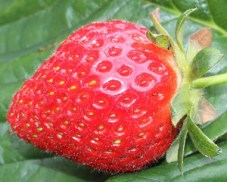
    Fragaria x ananassa Duchesne ex RozierThe portion of the eukaryotic world inhabited by plants exhibits a genetic complexity not shared by members of the animal world (see, for example, "Rose Genome Reveals Its Exquisite Complexities").  The strawberry (Fragaria × ananassa) genome, recently explicated in a paper published last month in Nature Genetics, provides yet another example of this characteristic.

    The paper, entitled "Origin and evolution of the octoploid strawberry genome," which was authored* by scientists from several academic institutions and genomics companies, provides a complete genomic sequence for the allo-octoploid ("2n = 8X = 56" chromosomes) strawberry genome, which is appreciated as being "an interspecific hybrid between wild octoploid progenitor species approximately 300 years before present."  The immediate progenitor species, Fragaria virginiana and Fragaria chiloensis, are themselves products of fusion from four earlier progenitor species about one million years ago.  The strawberry is a member of the Rosaceae family, which includes almonds, apples, peaches, and roses, in addition to the strawberry.  In the wild, there are 22 known species of strawberry, ranging in genome size from diploid (2n = 2x = 14) to decaploid (2n = 10x = 70).  As explained in the paper, "[a]llopolyploids face the challenge of organizing distinct parental subgenomes—each with a unique genetic and epigenetic makeup shaped by independent evolutionary histories—residing within a single nucleus."  An advantage of analyzing the strawberry genome is that this species has maintained a complete set of "homeologous" chromosomes from all four parental subgenomes and has thus avoided the "mixing" (presumably through recombination) of stretches of genome from different parental chromosomes found, inter alia, in the rose genome.  The existence of gene sequences from "extant relatives" of the octoploid strawberry facilitate assignment of homeologs to each parental subgenome.  The strawberry genome comprises 813.4 megabases (Mb) and has a high heterozygosity as well as ploidy level.

    This genome assembly was prepared from a particular Fragaria × ananassa cultivar 'Camarosa', at least in part because this is one of the most widely cultivated strawberry worldwide.  The total length of the sequenced assembly is 805,488,706 bp distributed among 28 "pseudochromosomes."  This sequence contained "108,087 protein-coding genes along with 30,703 genes encoding long noncoding RNAs (lncRNAs), which were subdivided into 15,621 long intergenic noncoding RNAs, 9,265 antisense overlapping transcripts (AOT-lncRNAs), and 5,817 sense overlapping transcripts (SOT-lncRNAs)."  Most of a collection of 1,440 "core genes" in common between land plants were identified in this assembly.  36% of the sequenced genome comprised transposable elements, including "DNA transposons, long-terminal-repeat retrotransposons (LTR-RTs; for example, Copia and Gypsy), and non-LTR retrotransposons," with LTR-RTs being the most abundant class (28%).

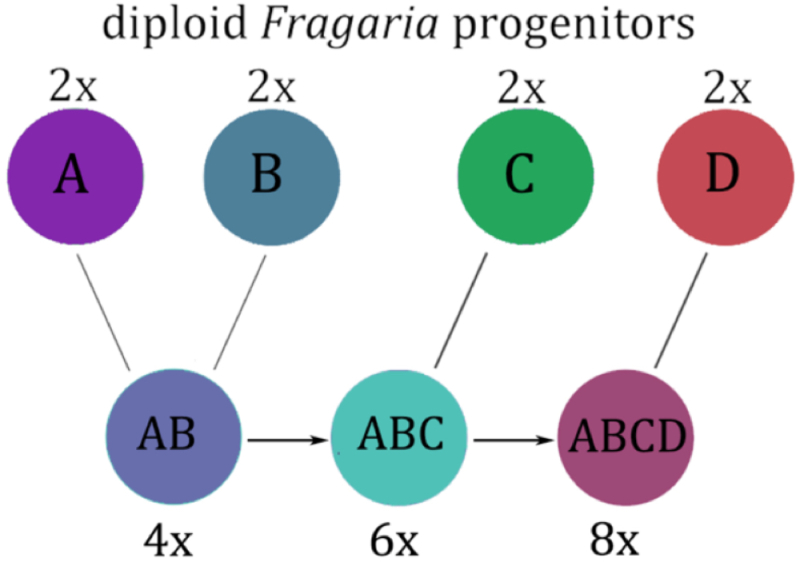
    The authors used this information to identify the existing diploid relatives (and hence progenitors) of each of the four subgenomes that make up the octoploid strawberry genome.  This analysis was based on an assembly of 31 "transcriptomes," i.e., the transcribed portion of the genomes, from every described diploid Fragaria species and comparison of 19,302 nuclear genes.  These results confirmed the participation of two previously identified diploid progenitor species, F. iinumae and Fragaria nipponica (both of which are endemic to Japan) and revealed two strong candidates for the previously unknown progenitor species as F. vesca subsp.  Bracheata (endemic to the western part of North America, spanning Mexico to British Columbia) and Fragaria viridis (geographically distributed in Europe and Asia.  The results of this reconstruction supported a North American origin of the modern allo-octoploid strawberry.  These relationships are illustrated in Supplementary Fig. 7:

    Image 1
    where Species A and B represent F. nipponica (purple) and F. iinumae (blue), respectively, to form a tetraploid.  The ancestral tetraploid strawberry hybridized with F. viridis (species C, green) to form the ancestral hexaploid species, which hybridized with F. vesca ssp.bracteata (species D, red) to form the octoploid strawberry.

    In many polyploidy plant species there develops through evolution a "dominant" subgenome from one of the progenitor species.  The authors used the genomic sequencing results to identify a dominant subgenome that was contributed by the F. vesca progenitor, which "has retained 20.2% more protein-coding genes and 14.2% more lncRNA genes, and has overall 19.5% fewer TEs than the other homoeologous chromosomes."  This subgenome also exhibits about 41% more tandem gene duplications (both "a greater number of tandem gene arrays as well as larger average tandem-gene-array sizes on six of seven homoeologous chromosomes").  A possible explanation/consequence of this dominance is a bias for disease-resistance genes in the F. vesca progenitor-derived subgenome.  These genes included 423 nucleotide-binding-site leucine-rich-repeat genes (NBS-LRRs), which included 79 encoding toll interleukin receptor and 24 encoding genes involved in resistance to powdery mildew.  This subgenome also contained 20 genes for R proteins that "recognize pathogen effectors through integrated decoy domains," consistent with the strawberry genome containing "a greatly expanded set of 105 diverse domains that are fused to the R-protein structures and have the potential to function as integrated decoys."

    While the "pseudochromosomes" of the strawberry genome have remained relatively more intact than in other species, these authors report detecting homeologous exchange (HE) sites as well as instances of gene conversion, these also biased (7.3-fold) in favor of the F. vesca progenitor.  These regions range in size from single genes to megabase-sized chromosomal regions (which the authors note have been seen in other alloploidy species including cotton and bread wheat).  Further analysis showed a transcriptome-wide expression dominance of genes derived from the F. vesca progenitor, which they hypothesize results "n certain biological pathways being largely controlled by a single dominant subgenome,' including those involved in strawberry flavor, color, and aroma.  Evidence for this hypothesis include that "F. vesca homoeologs in octoploid strawberry are responsible for 88.8% of the biosynthesis of anthocyanins, the metabolites responsible for the red pigments in ripening strawberry fruit; 89.2% of the biosynthesis of geranyl acetate, a terpene associated with fruit aroma; and 95.3% of the biosynthesis of fructose associated with sweetness."

    The authors provide their own assessment of the significance of their strawberry genome assembly:

    This reference genome should serve as a powerful platform for breeders to develop homoeolog-specific markers to track and leverage allelic diversity at target loci.  Thus, we anticipate that this new reference genome, combined with insights into subgenome dominance, will greatly accelerate molecular breeding efforts in the cultivated garden strawberry.

    Image 2North-polar projection of present day. Geographic distributions of extant relatives of the diploid (2×) progenitors of Fragaria × ananassa, the putative intermediate tetraploid (4×) and hexaploid (6×) progenitors of Fragaria × ananassa, and extant wild octoploid (8×) species in North America.

    * Patrick P. Edger**, Robert VanBuren, Marivi Colle, Ching Man Wai, Elizabeth I. Alger, Kevin A. Bird, Alan E. Yocca, Shujun Ou & Ning Jiang, Michigan State University; Thomas J. Poorten, Michael A. Hardigan, Nathan Pumplin, Charlotte B. Acharya, Glenn S. Cole & Steven J. Knapp**, University of California, Davis; Michael R. McKain, University of Alabama; Ronald D. Smith, Scott J. Teresi & Joshua R. Puzey, University of Arizona; Gil Ben-Zvi, Avital Brodt & Kobi Baruch, NRGene, Israel; Thomas Swale & Lily Shiue, Dovetail Genomics, California; Jeffrey P. Mower, University of Nebraska; Kevin L. Childs, Michigan State University; and Michael Freeling, University of California, Berkeley

    ** Corresponding authors

    Image of Fragaria x ananassa Duchesne ex Rozier by Alpsdake, from the Wikimedia Commons under the Creative Commons Attribution-Share Alike 3.0 Unported license.

  • By Donald Zuhn

    Federal Circuit SealLast week, in Natural Alternatives International, Inc. v. Creative Compounds, LLC, the Federal Circuit reversed and remanded a decision by the U.S. District Court for the Southern District of California granting a motion for judgment on the pleadings filed by Creative Compounds, LLC that the asserted claims of U.S. Patent Nos. 5,965,596, 7,825,084, 7,504,376, 8,993,610, 8,470,865, and RE45,947 are not patent eligible.  In reversing the District Court, the Federal Circuit found that Creative Compounds had failed to demonstrate that the asserted claims were not patent eligible in view of Natural Alternatives' proposed claim constructions.

    The patents at issue, which are owned by Natural Alternatives International, Inc., relate to dietary supplements containing beta-alanine.  Beta-alanine is an amino acid, which together with the amino acid histidine, can form dipeptides that are found in muscles, which in turn are involved in the regulation of intracellular pH during muscle contraction and development of fatigue.  Variations in dipeptide concentrations affect the anaerobic work capacity of individual athletes.  The asserted claims relate to the use of beta-alanine in a dietary supplement to increase the anaerobic working capacity of muscle and other tissue.

    Natural Alternatives has asserted the patents at issue in multiple suits in the Southern District, including against Creative Compounds.  Creative Compounds responded by moving for judgment on the pleadings, which the District Court granted.  The District Court determined that all of the asserted claims were directed to patent ineligible subject matter under 35 U.S.C. § 101 and lacked an inventive concept sufficient to render the claims patent eligible.  Although the District Court indicated that it had accepted Natural Alternatives' proposed claim constructions in performing its eligibility analysis, the Federal Circuit, applying those same proposed claim constructions, determined that "the complaint's factual allegations, together with all reasonable inferences, plausibly establish the eligibility of the representative claims."

    The majority opinion, authored by Judge Moore and joined by Judge Wallach, addresses three types of asserted claims:  (1) methods of treatment using beta-alanine ("the Method Claims"), (2) dietary supplements ("the Product Claims"), and (3) uses of beta-alanine in manufacturing a human dietary supplement ("the Manufacturing Claims").  Regarding the Method Claims, the opinion notes that claim 1 of the '596 patent and claim 1 of the '865 patent are representative (emphasis in the opinion):

    Claim 1 of the '596 patent recites:

    1.  A method of regulating hydronium ion concentrations in a human tissue comprising:
        providing an amount of beta-alanine to blood or blood plasma effective to increase beta-alanylhistidine dipeptide synthesis in the human tissue; and
        exposing the tissue to the blood or blood plasma, whereby the concentration of beta-alanylhistidine is increased in the human tissue.

    Claim 1 of the '865 patent recites:

    1.  A method of increasing anaerobic working capacity in a human subject, the method comprising:
        a)  providing to the human subject an amount of an amino acid to blood or blood plasma effective to increase beta-alanylhistidine dipeptide synthesis in the tissue, wherein said amino acid is at least one of:
            i)  beta-alanine that is not part of a dipeptide, polypeptide or oligopeptide;
            ii)  an ester of beta-alanine that is not part of a dipeptide, polypeptide or oligopeptide; or
            iii)  an amide of beta-alanine that is not part of a dipeptide, polypeptide or oligopeptide; and
        b)  exposing the tissue to the blood or blood plasma, whereby the concentration of beta-alanylhistidine is increased in the tissue,
        wherein the amino acid is provided through a dietary supplement.

    The opinion also notes that Natural Alternatives proposed the following constructions:
    • "effective" means to "elevate[] beta-alanine above natural levels to cause an increase in the synthesis of beta-alanyl-histidine dipeptide in the tissue";
    • "dietary supplement" means "an addition to the human diet, which is not a natural or conventional food, which effectively increases athletic performance when administered to the human over a period of time"; and
    • "increasing anaerobic working capacity" means "increasing the amount of work performed by a muscle under lactate producing conditions".

    The District Court determined that claim 1 of the '596 patent and claim 1 of the '865 patent are directed to natural laws, finding that these claims are directed to the natural laws that "ingesting certain levels of beta-alanine, a natural substance, will increase the carnosine [a dipeptide] concentration in human tissue and, thereby, increase the anaerobic working capacity in a human," or "thereby, aid in regulating hydronium ion concentration in the tissue."  The panel majority, however, did not agree with the District Court, explaining that:

    Administering certain quantities of beta-alanine to a human subject alters that subject's natural state.  Specifically, homeostasis is overcome, and the subject's body will produce greater levels of creatine.  This, in turn, results in specific physiological benefits for athletes engaged in certain intensive exercise.  The claims not only embody this discovery, they require that an infringer actually administer the dosage form claimed in the manner claimed, altering the athlete's physiology to provide the described benefits.  These are treatment claims and as such they are patent eligible [citations omitted].

    In support of its determination that the Method Claims are patent eligible treatment claims, the panel majority cited to the Court's decision in Vanda Pharmaceuticals Inc. v. West-Ward Pharmaceuticals International Ltd., 887 F.3d 1117 (Fed. Cir. 2018), noting that Vanda stands for the proposition that claims directed to particular methods of treatment are patent eligible.  In summarizing the Court's decision in Vanda, the panel majority explains that:

    The claims in Vanda involved a method of treating patients with schizophrenia that first required performing a genetic test to determine if a patient was a CYPD2D6 performer.  Based on the results of that test, a particular dose of iloperidone was selected and internally administered.  As a result, the risk of QTc prolongation, a dangerous side effect, was decreased.  We held that the claims were not directed to a natural relationship between iloperidone, CYP2D6 metabolism, and QTc prolongation.  While we acknowledged that the inventors had recognized the underlying relationships, we explained that those were not what was claimed.  Instead, the claims were directed to a patent-eligible method of using iloperidone to treat schizophrenia, "a specific method of treatment for specific patients using a specific compound at specific doses to achieve a specific outcome" [citations omitted].

    In distinguishing Vanda from the Supreme Court's decision in Mayo Collaborative Servs. v. Prometheus Labs., Inc., 566 U.S. 66 (2012), the majority opinion notes that "[u]nlike the claims held ineligible in Mayo, which required only the observation of a natural law, the Vanda claims required a doctor to affirmatively administer a drug to alter a patient's condition from their natural state," adding that the claims in Mayo "did not . . . require any actual action be taken based on the measured level of metabolite," and thus, were not treatment claims.  The opinion also notes that "[t]his was expressly recognized in Mayo, which distinguished the Mayo claim from 'a typical patent on a new drug or a new way of using an existing drug,' because the Mayo claim did not 'confine [its] reach to particular applications' of the natural laws relied upon."  And according to the panel majority, "[t]he fact that the human body responds to the treatment through biochemical processes does not convert the claim into an ineligible one."

    With respect to the Method Claims, the opinion notes that these claims "are directed to patent eligible new ways of using an existing product, beta-alanine," and therefore, "fall[] clearly within the scope of § 101, which allows for patents on 'any new and useful process,' including 'a new use of a known . . . composition of matter, or material.'"  Moreover, "[w]hile the Method Claims have similarities to the claims found ineligible in Mayo, as they utilize an underlying natural law, this is not sufficient to establish that they are directed to that law."  According to the panel majority, "[u]nlike the claims in Mayo, the Method Claims at issue are treatment claims," and "[l]ike the claims in Vanda, the Method Claims contain specific elements that clearly establish they are doing more than simply reciting a natural law."  In particular, the opinion notes that the Method Claims specify a patient population to be treated, particular results to be obtained by practicing the method, a compound to be administered to achieve the claimed result, and the dosages of the compound to be administered (via the "effective" limitation in the Method Claims).  Thus, the Method Claims "go[] far beyond merely stating a law of nature, and instead set[] forth a particular method of treatment."  The panel majority therefore concludes that "[t]he Method Claims at issue are treatment claims," which "cover using a natural product in unnatural quantities to alter a patient's natural state, to treat a patient with specific dosages outlined in the patents," and as such, these claims are not directed to ineligible subject matter.

    Regarding step two of the Alice/Mayo analytic framework for assessing subject matter eligibility, the panel majority indicates that Creative Compounds' citation to disclosure in the asserted patents in support of its argument that placing a natural substance into a dietary supplement for administration to a human, in order to increase the function of tissues is a conventional, well-known activity, "does not establish that the dietary supplement in the claims, which provides a dose well in excess of the normal levels of beta-alanine, would have been well-understood, routine, and conventional."  (In a footnote, the opinion notes that "the record contains an expert declaration stating that 'one 3.2 gram daily supplement of beta-alanine is the equivalent to eating at least 109 Big Macs per day.'")  The opinion also explains that:

    While a fact-finder may ultimately determine that the dietary supplement limitation was well-understood, routine, and conventional, absent a clear statement to that effect in the specification, complaint, or other material properly before the court, when disputed such a determination may not be made on a motion for judgment on the pleadings.

    Notwithstanding the panel majority's step two analysis, the opinion concludes that "[u]nder Natural Alternatives' proposed claim constructions, the Method Claims are not directed to an exception to § 101 under the first step of the Alice test," and "[t]herefore, judgment on the pleadings was inappropriate."

    Turning to the Product Claims, the opinion notes that the District Court treated claim 6 of the '376 patent (which depends from claims 1 and 5) and claim 1 of the '084 patent as representative of the Product Claims in the asserted patents.  Claims 1, 5, and 6 of the '376 patent recite (emphasis in the opinion):

    1.  A composition, comprising:
        glycine; and
        a) an amino acid selected from the group consisting of a beta-alanine, an ester of a beta-alanine, and an amide of a beta-alanine, or
        b) a di-peptide selected from the group consisting of a beta-alanine di-peptide and a beta-alanylhistidine di-peptide.

    5.  The composition of claim 1, wherein the composition is a dietary supplement or a sports drink.

    6.  The composition of claim 5, wherein the dietary supplement or sports drink is a supplement for humans.

    Claim 1 of the '084 patent recites:

    1.  A human dietary supplement, comprising a beta-alanine in a unit dosage of between about 0.4 grams to 16 grams, wherein the supplement provides a unit dosage of beta-alanine.

    The opinion also notes that Natural Alternatives proposed the following construction:
    • "dietary supplement" and "human dietary supplement" mean "an addition to the human diet, which is not a natural or conventional food, which effectively increases athletic performance and is manufactured to be used over a period of time."

    The District Court determined that claim 6 of the '376 patent and claim 1 of the '084 patent are directed to ineligible subject matter, finding that these claims are directed to "the natural phenomena of beta-alanine and glycine" and "the natural phenomenon of beta-alanine."  As with the Method Claims, however, the panel majority again did not agree with the District Court, explaining that:

    Although beta-alanine is a natural product, the Product Claims are not directed to beta-alanine.  A claim to a manufacture or composition of matter made from a natural product is not directed to the natural product where it has different characteristics and "the potential for significant utility."  See Diamond v. Chakrabarty, 447 U.S. 303, 310 (1980).  Just as the Method Claims are directed to specific methods of treatment that employ a natural law, the Product Claims are directed to specific treatment formulations that incorporate natural products, but they have different characteristics and can be used in a manner that beta-alanine as it appears in nature cannot.

    With respect to those "different characteristics," the panel majority notes that "[u]nder Natural Alternatives' claim constructions, the quantity of beta-alanine must be sufficient to 'effectively increase[] athletic performance.'"  The opinion concludes that "[a]t this stage in the litigation, it has been sufficiently alleged that these characteristics provide significant utility, as the claimed dosage forms can be used to increase athletic performance in a way that naturally occurring beta-alanine cannot," and therefore, finds that the Product Claims are not directed to ineligible subject matter.  The opinion also notes that even if the Product Claims were directed to ineligible subject matter, judgment on the pleadings would still have been inappropriate under step two of the Alice/Mayo analytic framework because the Product Claims, like certain Method Claims, contain a dietary supplement limitation, and "the specification does not contain language supporting the idea that this limitation was well-understood, routine, and conventional."

    Turning to the Manufacturing Claims, the opinion notes that the District Court treated claim 1 of the '610 patent as representative of the Manufacturing Claims in the asserted patents.  Claim 1 of the '610 patent recites (emphasis in the opinion):

    1.  Use of beta-alanine in manufacturing a human dietary supplement for oral consumption;
        supplying the beta-alanine, which is not part of a dipeptide, polypeptide or oligopeptide, as a single ingredient in a manufacturing step of the human dietary supplement or
        mixing the beta-alanine, which is not part of a di-peptide, polypeptide or oligopeptide, in combination with at least one other ingredient for the manufacture of the human dietary supplement,
        whereby the manufactured human dietary supplement is for oral consumption of the human dietary supplement in doses over a period of time increases beta-alanyl histidine levels in muscle tissue sufficient to delay the onset of fatigue in the human.

    The opinion also notes that Natural Alternatives proposed the following constructions:
    • "[u]se of beta-alanine in manufacturing a human dietary supplement" means "making an addition to the human diet using beta-alanine, which is not a natural or conventional food, to be administered over a period of time and that effectively increases athletic performance."
    • "supplying the beta-alanine, which is not part of a dipeptide, polypeptide or oligopeptide, as a single ingredient in a manufacturing step of the human dietary supplement" means "providing the free amino acid beta-alanine, an ester of beta-alanine or an amide of beta-alanine in a step of making an addition to the human diet using beta-alanine as the only active ingredient, which is not a natural or conventional food, which effectively increases athletic performance when administered to a human over a period of time."
    • "mixing the beta-alanine, which is not part of a dipeptide, polypeptide or oligopeptide, in combination with at least one other ingredient for the manufacture of the human dietary supplement" means "making an addition to the human diet, which is not a natural or conventional food, and which effectively increases athletic performance when administered to a human over a period of time, using the free amino acid beta-alanine, an ester of beta-alanine or an amide of beta-alanine and at least one other ingredient."

    The District Court determined that claim 1 of the '610 patent is directed to ineligible subject matter, finding that this claim is directed to "the natural phenomenon beta alanine and the natural law that ingesting certain levels of beta-alanine will increase the carnosine concentration in human tissue."  As with the Method Claims and Product Claims, however, the panel majority again did not agree with the District Court, explaining that:

    The Manufacturing Claims are not directed to the natural law or product of nature, but instead are an application of the law and new use of that product.  Claim 1 of the ’610 patent is even further removed from the natural law and product of nature at issue in the Method Claims and Product Claims, respectively.  It is directed to the manufacture of a human dietary supplement with certain characteristics.  The supplement is not a product of nature and the use of the supplement to achieve a given result is not directed to a law of nature.  We do not see, therefore, how a claim to the manufacture of a non-natural supplement would be directed to the law of nature or natural product.

    Finding that the asserted claims are not directed to ineligible subject matter under step one of the Alice test, the Federal Circuit reversed the District Court's decision that these claims are directed to ineligible subject matter and remanded for further proceedings.  The panel majority concludes by noting that "[w]e live in the natural world, and all inventions are constrained by the laws of nature," adding that "[a]s the Supreme Court has warned, we must be careful not to overly abstract claims when performing the Alice analysis."

    In an opinion concurring-in-part and dissenting-in-part, Judge Reyna explained that he was dissenting from the majority's "broad stroke of eligibility, primarily because I conclude that the majority's § 101 analysis relies on an erroneous claim construction," but was concurring in the result reached by the majority to remand for further proceedings because he expected that this would permit the District Court to revisit the § 101 question under a proper claim construction.  In the instant case, Judge Reyna believed that "the ordinary meaning 'may be readily apparent even to lay judges, and claim construction in such cases involves little more than the application of the widely accepted meaning of commonly understood words,'" citing Phillips v. AWH Corp., 415 F.3d 1303, 1314 (Fed. Cir. 2005) (en banc).  Moreover, Judge Reyna indciated that he is concerned with the majority's analysis because "it relies on a claim construction that improperly imports limitations into the claims and is contradicted by the written description."

    Aside from this concern, Judge Reyna suggested that on remand the District Court "could include a formal claim construction and a potential revisit of the § 101 issue," and therefore inquired as to "whether anything meaningful has been achieved in these circumstances."  He concluded his opinion by declaring that "[t]his case, and the general development of the law concerning § 101 analysis at the pleading stage, causes me to ask whether the time has come for this court to reconsider whether a Rule 12(c) motion based on § 101 should be decided before claim construction."

    Natural Alternatives International, Inc. v. Creative Compounds, LLC (Fed. Cir. 2019)
    Panel: Circuit Judges Moore, Reyna, and Wallach
    Opinion by Circuit Judge Moore; opinion concurring-in-part and dissenting-in-part by Circuit Judge Reyna

  • Claims for Dynamically Rating Internet Content Deemed Patent-Ineligible

    By James Korenchan

    District Court for the Northern District of CaliforniaIn a suit by Plaintiff Symantec Corp. ("Symantec") against Defendant Zscaler, Inc. ("Zscaler"), Symantec alleged that Zscaler's cloud-based security products infringe seven of Symantec's patents.  Zscaler moved to dismiss infringement claims for four of the patents, U.S. Patent Nos. 6,285,658 (the '658 patent), 7,587,488 (the '488 patent), 8,316,446 (the '446 patent), and 8,316,429 (the '429 patent), on grounds that the claims of the patents are directed to patent-ineligible subject matter under 35 U.S.C. § 101.  Earlier this month, Judge Jon S. Tigar of the U.S. District Court for the Northern District of California granted the motion in part, denied the motion in part as moot, and held the remainder of the motion in abeyance pending briefing on Symantec's assertion of assignor estoppel.

    The '658 patent claims relate to a system for managing network bandwidth based on data contained in packets flowing in various Open Systems Interconnection (OSI) protocol layers (e.g., network layer, transport layer, and application layer).  The '488 patent claims relate to filtering and dynamically rating Internet content.  The '446 patent claims relate to a system for blocking unwanted software downloads.  And the '429 patent claims relate to extracting and categorizing encrypted Internet communications between clients and hosts servers without having to decrypt network traffic between those clients and host servers.

    During pendency of the motion to dismiss, the parties stipulated to dismiss the infringement claims with respect to the '658 patent with prejudice, and thus the Court denied the motion with respect to the '658 patent as moot.  The Court also holds the motion in abeyance with respect to the '446 and '429 patents until the parties' cross-motions for partial summary judgement on the basis of assignor estoppel are resolved.  Additionally, the Court noted that it would not consider the motion with respect to the '429 patent because the PTAB recently instituted inter partes review of the asserted claims of that patent.

    Thus, the Court only addressed patent eligibility with respect to the '488 patent.  Symantec asserted that both claims 1 and 12 of the '488 patent — which recite similar language — contain non-abstract and inventive concepts.  Claim 1 is provided as follows as a representative example:

    1.  At a computer system, a method for dispatching an Internet-content identifier to a content-rating system, the method comprising:
        receiving an indication that at least one unrated Internet-content identifier is available to be rated;
        receiving an indication that one or more computerized content raters are available for rating the at least one unrated Internet-content identifier, wherein the computerized content raters include a plurality of content classifiers configured to rate content based on respective criteria;
        selecting an Internet-content identifier from among the at least one unrated Internet-content identifier based on content-identifier selection criteria;
        selecting one computerized content rater from among the one or more available computerized content raters to rate the selected unrated Internet-content identifier;
        transferring the selected Internet-content identifier to the selected available computerized content rater, wherein the selected Internet-content identifier identifies a portion of content; and
        dynamically determining a content category rating for the selected Internet-content identifier, wherein determining a content category rating comprises dynamically combining a rating for the selected Internet-content identifier with at least one of a rating for an Internet-content identifier identified within the portion of content for the selected Internet-content identifier and an Internet-content identifier for a portion of content that identifies the selected Internet-content identifier.

    The background of the '488 patent suggests that existing approaches for Internet content filtering suffer from accuracy issues and other problems.  For example, a rating of a given website coming from a single rating source might be inaccurate.  The patent also notes that existing approaches primarily used blocked lists of content categories, and so website operators who did not want their websites blocked would circumvent filters by varying their URLs or by including non-blocked content.  The patent thus purports to dynamically filter Internet content by dynamically combining multiple different ratings of that content.  As an example, the patent describes how content raters can employ a variety of different classifiers, each configured to "rate content based on different criteria and/or algorithms," and thus, at a high level, the claimed invention can filter Internet content by using a combination of such ratings.

    With respect to step one of the Alice test, Zscaler argued that the claims are abstract because they merely describe filtering Internet content.  The Court agreed, citing primarily to the Federal Circuit's decision in BASCOM, in which the Federal Circuit upheld a district court's determination that "claims were directed to the abstract idea of 'filtering content' because 'content provided on the Internet is not fundamentally different from content observed, read, and interacted with through other mediums like books, magazines, television, or movies.'"  The Court also reiterated that filtering content has long been viewed as a well-known manner of organizing human behavior.  As to the claimed concept of dynamically combining ratings for Internet content, the Court stated that the dynamic nature of the recited functions did not save the claims from abstraction, and that "organizing existing information into a new form or employing mathematical algorithms to manipulate information and generate additional information" is not patent-eligible.

    The Court also found the claims to lack inventiveness under step two of the Alice test.  In its defense, Symantec primarily argued that the dynamic nature of rating content recited by the claims provided an improvement over the static, list-based systems of the prior art.  But the Court found this argument unavailing, asserting that "nowhere does the patent describe how this more accurate, non-list-based filtering occurs.  Instead, the claim language reflects that dynamically rating simply means combining several ratings into one."  (As an aside, I assume one can reasonably appreciate that a rating from a single source could be biased, and thus less accurate than a rating that takes into account multiple different sources, but I doubt that notion would have persuaded the Court in any fashion.)

    With no more definition in the '488 patent as to the dynamic nature of rating content, the Court and Zscaler likened the idea of combining ratings into one as merely being directed to aggregating multiple data sets.  In fact, the Court even went as far to suggest that the patent does not describe any improvement whatsoever:

    [T]he patent may not even describe an improvement.  The specification admits that the prior art included "automated and/or server-based approaches to Internet content filtering" which "constant[ly] updat[ed]" the applicable "list of content categories and . . . approved and non-approved sites" [citation omitted].  The patent is silent as to any differences between dynamic rating and automatic rating.  . . .  Nor does the patent explain how dynamic, non-list-based rating accomplishes more than automatic, continually updated filtering.

    Symantec also attempted to argue that the claimed system's alleged scalability made it inventive, but the Court was not convinced by this either.  The specification describes that multiple content-rating machines could be simultaneously connected to the claimed system, thus allowing for scalability (e.g., by adjusting the quantity of raters based on demand).  Still, the Court asserted that the specification does not describe this kind of scalability as an improvement over the prior art, and thus concluded that "it cannot serve as the inventive concept."

    Ultimately, neither the claims nor the specification of the '488 patent conveyed improvements over the prior art to a degree sufficient for patent-eligibility.

    Symantec Corp. v. Zscaler, Inc. (N.D. Cal. 2018)
    Order Granting in Part and Denying in Part Motion to Dismiss by District Judge Tigar

  • By Steve Kennedy* and Anthony D. Sabatelli**

    As reviewed previously, antibody-drug conjugates (ADCs) are a highly promising class of antitumor drugs that represent a growing proportion of cancer treatments in the development pipeline (see "Antibody Drug Conjugates: The Patent Landscape for a New Class of Cancer Treatment").  By combining the specificity of monoclonal antibodies targeted to tumor markers with the strong antitumor potential of potent small-molecule drug payloads, ADCs have the potential to aggressively treat many cancers with fewer side effects than traditional therapies.  A key component in their design is the linker that joins the antibody and the payload.

    The choice of conjugation strategy for attaching the linker and payload to the antibody can have a profound impact on potency, safety, and reproducibility.  In another previous article, we reviewed some patents relating to the method of attachment of the drug to the antibody (see "Linking It Up: Antibody-Drug Conjugates").  The other major considerations when choosing or designing a linker are its stability in circulation and ease of payload release at the target.  The linker must be resistant to cleavage as the conjugate circulates in the blood to prevent early release of the payload, which could reduce antitumor activity and specificity and also increase side effects.  However, the conjugate must also be capable of releasing the payload at the tumor site to maintain antitumor activity.  With regard to these considerations, there are two major classes of linkers:  noncleavable and cleavable.

    Noncleavable linkers are composed of highly stable bonds, providing integrity to the conjugate while in circulation.  Noncleavable linkers require the proteolytic degradation of the antibody rather than the linker in order to release the drug payload, typically in the lysosome of the target tumor cells.  Because the payload remains attached to an amino acid residue of the antibody, as well as to the linker itself, after antibody proteolysis, the payload must still maintain its effectiveness with these additional moieties still attached.  Although a number of payloads have been designed to maintain their potency in this form, notably for the FDA-approved Kadcyla (US8088387B2), noncleavable linkers can present increased research investment relative to cleavable linkers.  Kadcyla, is an antibody-drug conjugate consisting of the humanized monoclonal antibody trastuzumab covalently linked to the cytotoxic agent DM1 (mertansine).  Generally, ADCs with noncleavable linkers require more extensive pharmacokinetic/pharmacodynamic (PK/PD) modeling to account for the presence of multiple metabolites.

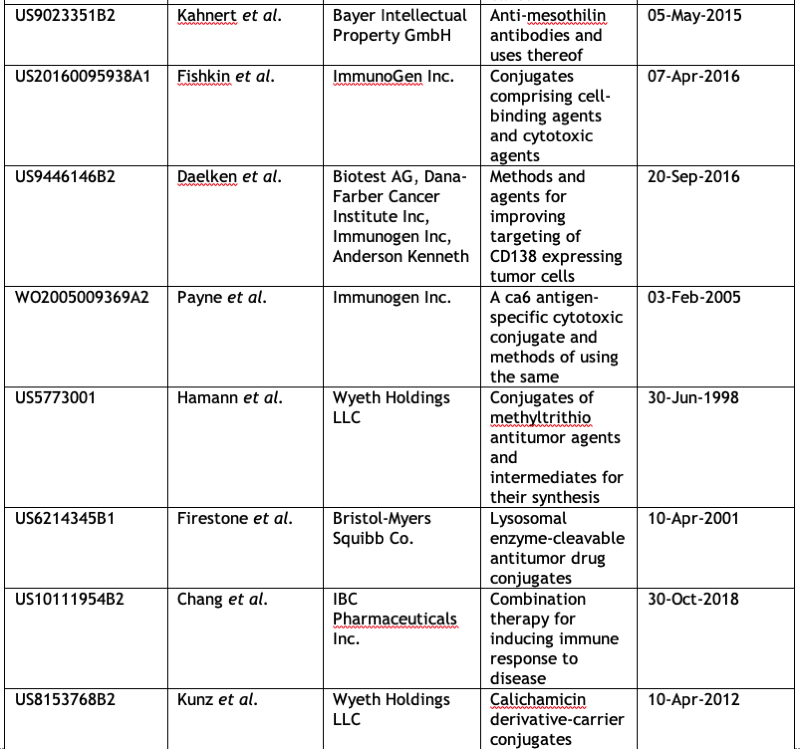
    Several noncleavable linkers have been developed, and their effectiveness has been demonstrated in a number of applications.  Kadcyla employs a N-succinimidyl-4-(N-maleimidomethyl)cyclohexane-1-carboxylate (SMCC) linker that has also been used for other DM1 conjugates (US8142784B2, WO2013075048A1).  The SMCC linker has also been used effectively for conjugating doxorubicin payloads (US6630579B2).  Maleimidocaproyl linkers have also been used to conjugate auristatin derivatives to monoclonal antibodies, improving potency without significant PK/PD differences (US8512707B2, US9120854B2).  However, SMCC and maleimidocaproyl linkers have solubility limitations.  To improve solubility, polyethyleneglycol (PEG) based linkers have also been designed, most notably the sulfo-SPDB linker, which improves both solubility and effectiveness against certain multi-drug resistant tumors (US8088387B2, US9023351B2, US20160095938A1, US9446146B2, WO2005009369A2).

    More common than noncleavable linkers are linkers that are cleavable in specific environments or by individual enzymes.  Although these linkers are not typically as proteolytically stable as noncleavable linkers, they allow for the conjugation of many varieties of drug payloads without impacting their potency or requiring such extensive PK/PD modeling.  One of the earliest cleavable linkers employed, in the first FDA-approved ADC Mylotarg (US5773001), was an acid-sensitive hydrazone that was relatively stable at neutral pH.  When this ADC is transported to acidic environments, such as the lysosome, the hydrazone is readily hydrolyzed and releases the payload.  This linker has been used both alone and in combination with linkers reducible by glutathione (US6214345B1, US10111954B2, US8153768B2), but they tend to exhibit non-specific drug release in clinical studies.  It is believed that this effect is induced by slow linker hydrolysis at physiological conditions, and efforts have been made to develop more-stable cleavable linkers.

    One of the most common cleavable linker strategies is to insert dipeptide sequences recognized by the cathepsin B protease.  Because this protease is often overexpressed in tumor cells, the linker is readily cleaved and releases its payload once it is internalized at its target.  The most common dipeptides used are valine-alanine and valine-citrulline.  The valine-citrulline didpeptide is particularly effective since it has improved stability over more commonly-occurring peptide sequences.  The FDA-approved Adcetris (US7829531) is a prototypical example, but other ADCs have showed promising preclinical and clinical results using this linker (US20160082119A1).  To improve reproducibility between animal models and human trials, the valine-citrulline linker has been further modified in some cases to a glutamic acid-valine-citrulline linker as well (WO2018218004A1).  In addition to cathepsin B, a number of ADCs have employed proteolysis by β-glucoronidase, which is present at high levels in lysosomes and some tumors, but otherwise have a similar mode of action (US8568728B2, WO2015057699A2).

    Other promising linkers have showed even greater stability than previous cleavable linkers without sacrificing delivery of the drug payload.  Although the specific mechanism of action is still being determined, pyrophosphate diester linkages have been used to generate ADCs that are stable in plasma for up to seven days while still rapidly releasing their payloads in the endosome (US20170182181A1).  Additionally, thiazolidine linkers originally designed for improved conjugation performance have also shown improved stability and have been used as cleavable linkers (US9198979B2).

    As evidenced by the flurry of intellectual property activity surrounding ADC linker chemistries and the growing proportion of ADCs in the clinical pipeline, it is likely that innovations in linker stability and selectivity will continue to provide novel opportunities for the biopharmaceutical industry.  Considering the intense research efforts and potential for overlap for ADCs, novel developments and adept patent claiming can be fruitful areas of investment for organizations seeking to advance the field of linker chemistry.

    Table 1a Table 1b Table 1c

    Steve Kennedy is a Ph.D. Candidate in the Chemistry Department at New York University.  He specializes in biophysical characterization of protein complexes and is currently focused on the role of adaptor proteins in signaling pathways.  Prior to attending NYU, Steve obtained his B.S. in Chemistry with Cum Laude honors at the University of Massachusetts – Boston, during which time he conducted bioanalytical mass spectrometry method development and lipidomics research.
    ** Dr. Sabatelli is Patent Counsel with Wiggin and Dana LLP

  • CalendarMarch 19, 2019 – "The Evolving Provenance of Obviousness-type Double Patenting" (McDonnell Boehnen Hulbert & Berghoff LLP) – 10:00 am to 11:15 am (CT)

    March 19, 2019 – "Japanese Patent Practice-Specialty Areas" (Intellectual Property Law Association of Chicago (IPLAC) International Patent Committee) – 11:45 am to 1:00 pm (CT), Chicago, IL

    March 20, 2019 – "Drafting Software Patents to Survive Section 101 and AIA Challenges — Anticipating and Minimizing the Risk of 101, 103 Rejections, Recent Court Guidance" (Strafford) – 1:00 to 2:30 pm (EDT)

    March 21, 2019 – "Key Issues Shaping the US IP Landscape" (Federal Circuit Bar Association) – 10:00 am to 6:00 pm (EST), Washington, DC

    March 21, 2019 – "Practical and Strategic Guide to the European Patent System: From Filing to Grant, Validation, Unitary Patent and Other Options to Obtain Protection in Europe" (Intellectual Property Law Association of Chicago (IPLAC) International Patent Committee) – 11:45 am to 1:00 pm (CT), Chicago, IL

    March 21, 2019 – "SEPs and the Autos: Lessons for the Internet of Things" (Intellectual Property Owners Association) – 2:00 to 3:00 pm (ET

    March 21-22, 2019 – "Federal Circuit Practice & Procedure" (John Marshall Law School Center for Intellectual Property, Information & Privacy Law) – 9:00 am to 4:30 pm, Chicago, IL

    March 26, 2019 – "The Supreme Court Ruling in Helsinn v. Teva: Impact on Prior Art and Patent Eligibility for University Innovations" (Technology Transfer Tactics) -1:00 pm to 2:00 pm (ET)


    March 27, 2019 – "Whither Oil States? The Future of Patents as Property Rights" (John Marshall Law School Center for Intellectual Property, Information & Privacy Law) – 1:15 pm to 2:45 pm, Chicago, IL

    March 28, 2019 – "Developing a Life Sciences Patent Portfolio — Prosecution, Orange Book /Purple Book Listing, IP Acquisitions, Licensing, Collaborations, and More" (Strafford) – 1:00 to 2:30 pm (EDT)

    April 29-30, 2019 – Paragraph IV Disputes master symposium (American Conference Institute) – New York, NY

  • IPLACThe Intellectual Property Law Association of Chicago (IPLAC) International Patent Committee will be presenting a program entitled "Practical and Strategic Guide to the European Patent System: From Filing to Grant, Validation, Unitary Patent and Other Options to Obtain Protection in Europe" on March 21, 2019 from 11:45 am to 1:00 pm (CT) at DePaul College of Law in Chicago, IL.  The program will provide an overview of the patenting options available in Europe (national vs. regional), the grant stage of a European Patent – future options after grant (Unitary Patent or EP validation?), and efficient ways to obtain patent protection in Europe.

    The registration fee for the presentation is $30 (non-members), $20 (IPLAC members), or free (students).  Those interested in registering for event can do so here.

  • JMLSThe John Marshall Law School Center for Intellectual Property, Information & Privacy Law will be hosting an IP Executive Seminar on "Whither Oil States? The Future of Patents as Property Rights" from 1:15 pm to 2:45 pm on March 27, 2019 in Chicago, IL.  Prof. Adam Mossoff of George Mason University Antonin Scalia Law School will discuss the longstanding dispute over the legal status of patents, the extensive judicial and legislative precedents reaching back to the early 19th century that patents are private property rights, and what may happen in the cases addressing these issues in the coming years.

    There is no registration fee for the presentation.  Those interested in registering for the pre4sentation can do so here.