• Strafford #1Strafford will be offering a webinar entitled "Structuring Patent Licensing Agreements: Avoiding Litigation, Allocating Risk and Maximizing Patent Value" on May 21, 2019 from 1:00 to 2:30 pm (EDT).  John M. Augustyn of Leydig Voit & Mayer and Peter J. Toren of Peter J. Toren Attorney at Law will prepare IP counsel to craft patent licenses by reviewing key clauses and licensing in joint development projects, and will outline best practices for structuring the agreement to avoid litigation, allocate risk, and maximize patent value.  The webinar will review the following issues:

    • What are the key contract terms to include in patent licensing agreements?
    • What are the steps to structure a licensing agreement in the context of a joint development project?
    • What factors must be considered to structure a patent license to avoid or minimize litigation?

    The registration fee for the webcast is $347.  Those interested in registering for the webinar, can do so here.

  • By Kevin E. Noonan

    Federal Circuit SealThe Federal Circuit exhibited the current status of its obviousness jurisprudence in affirming the District Court's determination that the asserted claims of U.S. Patent No. 8,410,131 were not obvious in a decision handed down this week in Novartis Pharmaceuticals Corp. v. West-Ward Pharmaceuticals Int'l.

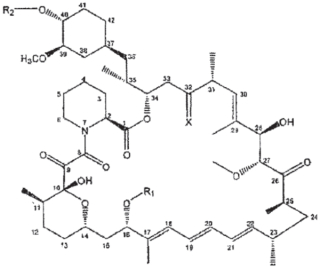
    The case arose in ANDA litigation over Novartis's Afinitor product (everolimus, a rapamycin derivative; the structure of this compound is set out in claim 1 of the '131 patent) to treat renal cell carcinoma (RCC), a particularly resistant form of cancer.  Novartis asserted claims 1-3 of the '131 patent, directed to methods of treating RCC with Afinitor:

    1.  A method for inhibiting growth of solid excretory system tumors in a subject, said method consisting of administering to said subject a therapeutically effective amount of a compound of formula I

    Imagewherein

    R1 is CH3,

    R2 is —CH2—CH2—OH, and

    X is =O.

    2.  The method of claim 1 wherein the solid excretory system tumor is an advanced solid excretory system tumor.

    3.  The method of claim 1 wherein the solid excretory system tumor is a kidney tumor.

    As set forth in the Court's opinion, at the filing date of the '131 patent, "advanced RCC carried a poor prognosis and was known to be unpredictable and difficult to treat."  Such treatment regimes that were available comprised various immunostimulants — interleukin-2 and interferon-alpha among them — but these compounds had "poor response rates and toxicity in patients."  The history of attempts to develop a successful treatment strategy was, as the opinion characterized it, "unsuccessful."  In this regard, the opinion also notes that most cancer drugs had a low success rate, "more than 70% of cancer drugs failing during phase II, and a majority of cancer drugs failing during phase III" clinical trials.  (While a history like this should indicate that a defendant, burdened by the high "clear and convincing evidence" standard, should have a difficult time invalidating claims to a successful drug under obviousness, consider the Court's recent decision in Acorda Therapeutics, Inc. v. Roxane Laboratories, Inc.)

    As the Federal Circuit explains in its opinion, everolimus is a species of a class of compound (including rapamycin, which has toxicities that preclude its use as an anticancer agent) termed mTOR inhibitors.  In an explication of the mechanism of action of the drug (having dubious relevance to the bases of the Court's opinion), the Court explains that compounds like everolimus bind within a cell to FK506 binding protein (itself termed "FKBP-12") to form a complex, which binds to and inhibits the mTOR enzyme.  At the filing date of the '131 patent, it was known in the art that mTOR inhibitors (like everolimus) were thought to inhibit hypoxia-inducible factor 1 (HIF-1) which were "hypothesized" to inhibit tumor growth, and another mTOR inhibitor, temsirolimus, had shown responses against RCC in phase I clinical trials.  Rapamycin and its derivatives were known to have beneficial properties generally.  As noted in the opinion, however, the art had no teaching that everolimus was effective as an antitumor agent ("let alone to treat advanced RCC").

    With regard to RCC, the opinion notes that these tumors were "highly vascularized" and needed new blood vessels to be produced into the tumor (and without which the tumor cannot metastasize).  This characteristic was relevant because vascularization is associated with expression of VEGF (vascular endothelial growth factor), which correlated with increased HIF-1 expression.  While tantalizingly suggestive that inhibition of HIF-1 by mTOR inhibitors like everolimus might inhibit vascularization and thus have an antitumor effect against RCC, as the opinion notes at the '131 patent filing date:

    HIF-1's precise mechanism of action and role in tumor growth were not yet fully understood.  . . .  Figure 4 [of a particular prior art reference to Semenza] disclosed that multiple genes (p53, PTEN, VHL), multiple pathways (RTKs, RAS, PI3K-AKT-FRAP, RAF-MEKERK), and multiple downstream effects (relating to VEGF, IGF-2, and glucose transporters) are associated with HIF-1 expression.  While Semenza noted that "[i]t is possible that inhibition of HIF-1 activity may contribute significantly" to the anti-cancer effects of certain HIF-1 inhibitors, including rapamycin, it cautioned that the role of HIF-1 in RCC "requires further analysis."

    Other prior art (to Zhong) showed that in vitro treatment of prostate cancer cells with mTOR inhibitors like rapamycin could inhibit HIF-1 expression (consistent with the general teaching in the art) and supported the hypothesis that "HIF-1α- dependent gene transcription . . . and the expression of a HIF-1-regulated gene product . . . are modulated by the activity of the PI3K/AKT/[mTOR] pathway in [prostate cancer] cells" and thus "may provide a basis for therapeutic efficacy," but "additional studies" were required.

    In the context of these generic teachings in the art, West-Ward asserted four prior art references.  Hidalgo 2000 disclosed development of rapamycin and temsirolimus (but not everolimus) as potential anticancer agents, tying mTOR inhibition by these drugs to interference with cell cycle progression pathways in tumor cells, leading to growth arrest (a goal of antitumor drugs).  These suppositions were supported by results from two phase I clinical studies, which showed "major tumor responses" in RCC patients to temsirolimus, although the reference is appropriately cautious in extending its conclusions further than its results (which were limited to testing temsirolimus).

    Hutchinson is a review of further studies with temsirolimus, including one study showing that, of 16 RCC patients treated with temsirolimus, one had a partial response and two others had a minor response to the drug; another study of 51 RCC patients showed 3 minor responses.

    U.S. Patent No. 5,665,772 disclosed everolimus (in addition to other rapamycin derivatives) as being useful for many diseases and disorders ("organ transplant rejection, autoimmune diseases, asthma, and proliferative disorders such as tumors").  But "[i]t is undisputed that the '772 patent does not disclose any preclinical or clinical data on the antitumor activity of everolimus.  It is also undisputed that the '772 patent does not contain an explicit disclosure that everolimus would be effective in treating advanced RCC."

    Similarly, the final asserted reference, U.S. Patent No. 6,004,973, while disclosing "everolimus oral formulations, dosage ranges, and formulation techniques" did not disclose "any preclinical or clinical data showing any antitumor activity of everolimus, and does not disclose that everolimus would be effective in treating advanced RCC."

    West-Ward's argument at trial was that what was known in the asserted art would have provided the skilled worker with a reasonable expectation of success in using everolimus to treat RCC (asserting the combination of either Hidalgo or Hutchinson with either the '772 or '973 patents).  The District Court was unconvinced, finding that West-Ward had not established that the skilled worker would have been motivated to combine the references and specifically not finding any motivation to select, in particular, everolimus as an antitumor compound.  The District Court recognized that everolimus would have been "one of several treatment options" for finding an effective treatment for aggressive solid tumors like RCC, but criticized West-Ward's expert for limiting his review of the prior art to mTOR inhibitors, amounting in the Court's opinion to hindsight bias.  The District Court recognized "a variety of other treatments in development" at that time.  The Court also credited "knowledge gaps" in the understanding of the molecular biology of advanced RCC that would have led the skilled worker to consider treatments other than mTOR inhibitors.

    Turning to the other obviousness prong, a reasonable expectation of success, the District Court did not find that West-Ward had established that circumstance either.  The asserted clinical data, limited to phase I trials, was insufficient to supply such an expectation according to West-Ward's own expert, and the lack of clinical data for everolimus, clinical differences between everolimus and temsirolimus, and the general failure rate of antitumor compounds taken together by the District Court led the Court to conclude that West-Ward had not shown that the cited art would have provided the skilled worker with the reasonable expectation of success required to establish obviousness by clear and convincing evidence.

    The Federal Circuit affirmed in an opinion by Judge Stoll joined by Judges Plager and Clevenger.  Despite finding that the District Court had erred in finding there was no motivation to combine the asserted prior art, the Federal Circuit found no clear error regarding the District Court's finding that the skilled worker would not have had a reasonable expectation of success in using everolimus to treat RCC.  Regarding the District Court's motivation to combine analysis, the panel considered the District Court's finding that a person of ordinary skill would have been "motivated to pursue everolimus as one of several potential treatment options for advanced solid tumors, including advanced RCC" sufficient for West-Ward to have established the requisite motivation to combine.  The opinion further states that the District Court had improperly applied a heightened standard that required West-Ward "to prove that a person of ordinary skill would have selected everolimus over other prior art treatment methods."  The panel rejected Novartis's assertion of Takeda Chemical Industries, Ltd. v. Alphapharm Pty., Ltd., 492 F.3d 1350 (Fed. Cir. 2007), as contrary precedent, on the ground that Takeda was a "lead compound" case and thus inapposite to this situation.  "Lead compound" cases require a showing by clear and convincing evidence "that a person of ordinary skill 'would have had a reason to select a proposed lead compound or compounds over other compounds in the prior art,'" citing Daiichi Sankyo Co. v. Matrix Labs., Ltd., 619 F.3d 1346, 1354 (Fed. Cir. 2010) (emphasis added in opinion).  The panel recognized other circumstances where the Court has determined whether there was a motivation to select a compound from a group, e.g., where the prior art discloses a range and the issue is whether there was a motivation to select a particular compound within the range; see Allergan, Inc. v. Sandoz Inc., 796 F.3d 1293, 1305 (Fed. Cir. 2015); Galderma Labs., L.P. v. Tolmar, Inc., 737 F.3d 731, 737–38 (Fed. Cir. 2013).  None of these circumstances applied here, where Novartis asserted claims to methods of treating RCC with everolimus.  Under these circumstances, the panel held that "[t]o the extent the district court required a showing that a person of ordinary skill would have selected everolimus over other prior art compounds, it erred."  Indeed, the District Court's finding that the person of ordinary skill "would have been motivated to pursue everolimus as one of several potential treatment options for advanced solid tumors, including advanced RCC" was enough to satisfy the requirement that the cited art provided the needed motivation to combine.

    Turning to the "reasonable expectation of success" prong, the Federal Circuit held that the District Court had correctly determined that the asserted art, in the context of the prior art, would not have given the skilled worker the reasonable expectation required.  Specifically:

    The district court correctly recognized that the temsirolimus phase I data resulted from small sample sizes and came from studies that were designed to test safety, not efficacy.  It also noted that the studies disclosed in Hidalgo 2000 and Hutchinson do not reveal the total number of advanced RCC patients enrolled and that phase II data was not yet available.  Further, it considered the testimony of West-Ward's expert Dr. Cho, who stated that a person of ordinary skill "would not make a determination or reasonable suggestion simply based in isolation upon whether a drug enters phase II," and who did not dispute that more than seventy percent of oncology drugs failed at phase II.

    In addition to these deficiencies, the opinion notes the pharmacological differences between everolimus and temsirolimus, supported by expert testimony; that the prior art did not evince a full understanding of the relationship between mTOR inhibitors, HIF-1 expression, and tumor growth suppression, supported by unasserted prior art references before the District Court; and evidence that mTOR inhibition did not "necessarily result in tumor growth inhibition."  On the totality of this evidence, the Federal Circuit found no evidence that the District Court erred in finding that West-Ward failed to establish that the art would have provided the skilled artisan with a reasonable expectation of success that everolimus could be used to treat RCC as claimed in the '131 patent, and thus affirmed the District Court's judgment.

    Novartis Pharmaceuticals Corp. v. West-Ward Pharmaceuticals Int'l (Fed. Cir. 2019)
    Panel: Circuit Judges Stoll, Plager, and Clevenger
    Opinion by Circuit Judge Stoll

  • By Josh Rich

    Federal Circuit SealAVX Corporation and Presidio Components are long-standing competitors in the market for electronic components, including capacitors.  Their competition has caused animosity, which in turn has resulted in patent infringement litigation.  And that litigation led AVX to challenge one of Presidio's patents, U.S. Patent No. 6,661,639, through inter partes review.  The Patent Trial and Appeal Board rendered a split decision, and AVX appealed to the Federal Circuit.  Rather than a substantive resolution on the merits, however, the Federal Circuit decided that AVX lacked standing and dismissed the appeal.

    Over the past five years, the Federal Circuit has begun outlining the requirements for standing for appeals of IPRs.  Standing is one of the constitutional requirements for a "case or controversy" that can be decided by a Federal court — it ensures that there is actual, redressible harm that is being litigated.  Specifically, standing requires (1) an "injury in fact," (2) "a causal connection between the injury and the conduct complained of," and (3) a likelihood that "the injury will be redressed by a favorable decision."[1]  Standing must be shown for a Federal court to exercise jurisdiction over a case, including when the Federal Circuit hears appeals of IPRs.

    In contrast, there is no need to show any harm to bring an IPR in the Patent and Trademark Office.  As a creation of statute (specifically, the America Invents Act) to be decided by an administrative agency, IPRs can be brought by anyone with an interest in starting a fight and the willingness to pay the fees.  That is, as the Supreme Court held in Cuozzo Speed Techs., LLC v. Lee, 136 S. Ct. 2131, 2143-44 (2016), there is no requirement for standing in an IPR because the requirements of Article III of the U.S. Constitution do not apply to administrative agency proceedings.

    Thus, AVX was free to bring its IPR and fight before the PTAB.  But when the PTAB rendered a split decision, invalidating claims 13-16 and 18 of the '639 patent while leaving the other eighteen claims intact, AVX filed an appeal to seek invalidation of the entire patent before the Federal Circuit.  And when the Federal Circuit took on the case, AVX was required to show that it had standing under Article III.  AVX had a statutory right to appeal but that was a required, yet not sufficient, condition for an appeal because Congress cannot supersede the Constitution by statute.

    AVX raised two arguments for standing.  First, it argued that it was injured by the PTAB's failure to invalidate all of the claims because it would be statutorily estopped from arguing invalidity in any litigation over products it develops in the future.  AVX did not argue that any of its current offerings would infringe the '639 patent; rather, it was concerned about litigation over as-yet-undeveloped products that it might choose to bring to market in the future.

    AVX argued that the Federal Circuit should exercise jurisdiction over its appeal because it would otherwise be estopped from asserting the invalidity of the surviving claims in later infringement litigation (which it foresaw because of the animosity between the parties).  Section 315(e) of the Patent Act estops a petitioner who receives an unfavorable Final Written Decision from bringing another U.S. Patent and Trademark Office proceeding or asserting invalidity in Federal Court or the U.S. International Trade Commission based on any ground that the petitioner "raised or reasonably could have raised" during the IPR.  AVX read that provision as establishing that it would be barred from raising invalidity in any future litigation despite having no right to appeal.  As prior panels had done several times over the years, the Federal Circuit found that § 315(e) did not itself create an injury in fact if AVX was "not engaged in any activity that would give rise to a possible infringement suit."[2]

    Tantalizingly, the panel refused to say whether AVX's concern was well-founded — whether it would actually be estopped from asserting invalidity in later litigation.  To the contrary, it noted that traditional principles provided that neither claim preclusion nor issue preclusion would apply when appellate review of a decision is unavailable.[3]  But the panel refused to decide whether the traditional principles would apply under these circumstances, as the issue had not been squarely presented to it.

    Second, AVX argued that it had "competitor standing" to challenge government action.  Competitor standing has been recognized in a series of cases where government regulatory actions that "alter competitive conditions" may give rise to injuries that suffice for standing.  But it does not apply in every case where the competitive landscape is altered, only when the decision provides benefits to an existing competitor or expands the number of entrants into the market.  Here, the panel found, the situation was fundamentally different.  The government action was upholding patent claims, not addressing prices or introducing new competitors.  And the patent claims wouldn't have any harmful effect on AVX now because it had no product that arguably fell within their scope and no concrete plans for future activity that would fall within their scope.  That is, unlike the cases in which a concrete harm could be identified as either existing or coming up inevitably, AVX's assertion of a possibility of future harm was overly speculative, despite the past fights between the parties.

    Finally, the panel rejected any argument that the continued existence of patent claims would inherently provide AVX with a competitive disadvantage.  The claims did not permit Presidio to come to market with a product, they only allowed Presidio to seek to prevent others from entering the market with products within the scope of those claims.  And the chilling of other competitors would not harm AVX; to the contrary, it would tend to help it by reducing competition.  Thus, the panel found that there was no basis for standing and therefore no jurisdiction to hear the appeal.

    AVX Corp. v. Presidio Components, Inc. (Fed. Cir. 2019)
    Panel: Circuit Judges Newman, O'Malley, and Taranto
    Opinion by Circuit Judge Taranto

    [1] Slip op. at 5 (quoting Lujan v. Defenders of Wildlife, 504 U.S. 555, 5601-61 (1992)).

    [2] Slip op. at 8 (quoting Phigenix, Inc. v. Immunogen, Inc., 845 F.3d 1168, 1175-76 (Fed. Cir. 2017); Consumer Watchdog v. Wis. Alumni Research Found., 753 F.3d 1258, 1262 (Fed. Cir. 2014); citing JTEKT Corp. v. GKN Automotive Ltd., 898 F.3d 1217, 1220 (Fed. Cir. 2018).

    [3] Slip op. at 8-9 (citing Penda Corp. v. United States, 44 F.3d 967, 973 (Fed. Cir. 1994); Kircher v. Putnam Funds Tr., 547 U.S. 633, 647 (2006); SkyHawke Techs., LLC v. Deca Int'l Corp., 828 F.3d 1373, 1376 (Fed. Cir. 2016)).

  • Federal Circuit Reverses Board in Two IPR Decisions

    By Joseph Herndon

    Federal Circuit SealIn International Business Machines Corp. (IBM) v. Iancu, the Federal Circuit found that the Board's interpretation of key claim limitations was incorrect resulting in the Board's decisions having errors.

    IBM owns U.S. Patent No. 7,631,346, entitled "Method and System for a Runtime User Account Creation Operation Within a Single-Sign-On Process in a Federated Computing Environment."  At the behest of several private companies (who have settled and are not parties here), the U.S. Patent and Trademark Office, acting as delegee of the USPTO Director, instituted two related inter partes reviews (IPRs) of various claims of the '346 patent.  In the first IPR, the Board found that claims 1, 3, 12, 14, 15, and 18 are unpatentable because they are anticipated by Japanese Publication No. Tokkai 2004-302907A (Sunada).  In the second IPR, the Board found that claims 1, 3, 12, 13, 15, and 18 are unpatentable because they are anticipated by U.S. Patent No. 7,680,819 (Mellmer).

    The Federal Circuit vacated and remanded the Sunada IPR decision as being based on an incorrect claim construction of the "federated computing environment" limitation of all claims at issue.  In the Mellmer IPR decision, the same claim construction error was found to be present, but did not affect the Federal Circuit's holding to reverse the Board's decision.

    The '346 Patent

    The specification explains that enterprises try to give their users the benefit of being able to gain access to multiple applications without regard to authentication barriers that protect each particular system supporting those applications.  A user might assume that once he or she has been authenticated by some computer system, the authentication should be valid throughout the user's working session, or at least for a particular period of time, without regard to the various computer architecture boundaries that are almost invisible to the user.  Among the techniques used to do so are "single-sign-on" (SSO) processes, which aim to require of a user only one authentication process during a particular user session.

    The specification explains that user expectations about ease of access are coming to extend beyond the systems within an enterprise to Internet domains of different enterprises so that users can jump from interacting with an application on one Internet domain to another application on another domain without regard to the authentication barriers that protect each particular domain.  Thus, to reduce the costs of user management and to improve interoperability among enterprises, federated computing spaces have been created.

    The specification then defines the term "federated" as being based on a cooperative relationship among enterprises that falls short of the unitary control available within an enterprise.  As enterprises move to support federated business interactions, these enterprises should provide a user experience that reflects the increased cooperation between two businesses.  In particular, a user may authenticate to one party that acts as an identity provider and then single-sign-on to a federated business partner.

    Claim 1 of the '346 patent recites:

    1.  A method for managing user authentication within a distributed data processing system, wherein a first system and a second system interact within a federated computing environment and support single-sign-on operations in order to provide access to protected resources, at least one of the first system and the second system comprising a processor, the method comprising:
        triggering a single-sign-on operation on behalf of the user in order to obtain access to a protected resource that is hosted by the second system, wherein the second system requires a user account for the user to complete the single-sign-on operation prior to providing access to the protected resource;
        receiving from the first system at the second system an identifier associated with the user; and
        creating a user account for the user at the second system based at least in part on the received identifier associated with the user after triggering the single-sign-on operation but before generating at the second system a response for accessing the protected resource, wherein the created user account supports single-sign-on operations between the first system and the second system on behalf of the user.

    IPR Claim Construction

    The disputes here focuses on the "federated computing environment" and "single-sign-on" claim limitations.  The Board and the parties agreed that both phrases are limiting, even though the first appears only in the preamble.

    The Board recognized that both IBM and the private companies that requested the IPRs ("Petitioner") agreed about what a "federated computing environment" means:  "a 'loosely coupled affiliation of enterprises which adhere to certain standards of interoperability; the federation provides a mechanism for trust among those enterprises with respect to certain computational operations for the users within the federation.'"

    But, surprisingly, the Board rejected the parties' agreed-on construction "that the scope of the term is limited to an affiliation of enterprises."  The Board did so even while recognizing the specification passage stating that "[a] federation is a loosely coupled affiliation of enterprises . . . ."  Despite that passage, the Board concluded that a federated computing environment is not limited to enterprises, such as organizations, institutions, etc.

    Alternatively, the Board construed "federated computing environment" to mean an environment having a loosely coupled affiliation of entities that adhere to certain standards of interoperability; the federation provides a mechanism for trust among those entities with respect to certain computational operations for the users within the federation.  That construction replaces "enterprises" with "entities."

    The Board was then able to find that claim element met in Sunada, and the key significance of that replacement is that, under the Board's construction, "two computer systems (or entities) within a single enterprise could disclose a 'federated computer environment.'"

    The Federal Circuit concluded that the Board's construction is not reasonable in light of the specification.  In the key specification passage quoted above, which is on its face definitional, the patent states that a "federation" is "a loosely coupled affiliation of enterprises."  Nothing in the specification contradicts the passage's plain meaning.  In fact, the specification describes that a federation is a set of distinct entities, such as enterprises, organizations, institutions, etc., that cooperate to provide a single-sign-on, ease-of-use experience to a user.

    The Federal Circuit found that a "system," referring to just the physical equipment and not who controls it or deals with customers in providing access to it, is not of the same type as "enterprises, organizations, institutions."

    IPR Decisions

    Thus, the Board's final written decision in the Sunada IPR was vacated and remanded for the Board to determine in the first instance whether, under the correct claim construction, Sunada anticipates the claims at issue in that IPR.

    With respect to the Mellmer IPR, the Federal Circuit reversed the finding of anticipation.  The relevant claim limitation of the '346 patent requires "triggering a single-sign-on operation on behalf of the user in order to obtain access to a protected resource that is hosted by the second system."  The Board construed "single-sign-on operation" to mean "a process by which a user is authenticated at a first entity and subsequently not required to perform another authentication before accessing a protected resource at a second entity."

    It is undisputed that, under those definitions, a user performs an authentication when the user takes an action that provides credentials, or that plays a role in launching a provision of credentials on the user's behalf, to obtain access to resources.  Thus, a "single-sign-on operation" is one that does not require the user to take such action to gain access to a second entity's resources after the user has been authenticated with a first entity.

    The Mellmer patent describes a basic architecture for managing digital identity information in a network, such as the Internet.  Mellmer teaches techniques for securely logging in to multiple sites with a single password and doing so from any machine on the network.  More particularly, Mellmer describes a "DigitalMe" system that, for a user with a DigitalMe ID, eases access to various independent websites (DigitalMe partners) that participate in the system.

    The issue here is whether a particular part of the described system requires a second user authentication action to gain access to a DigitalMe partner's resources.

    The Federal Circuit found that the Board unreasonably viewed Mellmer and took a login scenario in isolation and out of context.  Once the focus was properly widened to understand the whole set of options and scenarios shown, substantial evidence did not support a finding that there is no user action triggering an authentication at the target site.

    The Board did not cite, and the Director has not cited, anything in Mellmer that would support a contrary finding.  Nor was there any basis for discrediting the testimony of IBM's expert, which was grounded solidly in consideration of the full passages relevant to understanding the entire scenario.  The Federal Circuit therefore found that Mellmer does not teach the single-sign-on limitation of the claims at issue in the IPR.  Thus, despite the incorrect claim interpretation, that interpretation did not change the finding that Mellmer does not anticipate the claims.  The Board's decision in the Mellmer IPR was therefore reversed.

    IBM Corp. v. Iancu (Fed. Cir. 2019)
    Nonprecedential disposition
    Panel:  Circuit Judges Moore, Taranto, and Chen
    Opinion by Circuit Judge Taranto

  • By Kevin E. Noonan

    FDALate last week, the U.S. Food and Drug Administration issued a final version of its "Guidance for Industry," entitled "Considerations in Demonstrating Interchangeability With a Reference Product" regarding the as-yet unexercised provision of the Biologic Price Competition and Innovation Act (BPCIA).  This Guidance is facially similar to the draft Guidance issued this past January for notice and comment, and thus reflects the agency's response to those comments (see "FDA Issues Guidance Regarding Interchangeability of Biosimilar and Biologic Drugs").

    To recap, interchangeability, which is the standard for conventional, small molecule generic drugs, is challenging for biologic drugs because of their size and complexity, and because the biosimilarity standard encompasses molecules that are not atom-for-atom identical to the reference biologic drug product.  Accordingly, the ease with which conventional generic drugs are substituted for brand name versions is not appropriate for biosimilar drugs, and the statute sets out standards for interchangeability status (§ 351(k)(4) of the PHS Act), wherein the FDA must find that:

    (A) the biological product—
        (i) is biosimilar to the reference product; and
        (ii) can be expected to produce the same clinical result as the reference product in any given patient; and
    (B) for a biological product that is administered more than once to an individual, the risk in terms of safety or diminished efficacy of alternating or switching between use of the biological product and the reference product is not greater than the risk of using the reference product without such alternation or switch.

    Interchangeability is important for a variety of reasons, particularly with regard to biosimilar drug acceptance and the ability for the interchangeable biosimilar to be substituted for a reference biologic drug product without intervention or approval of a health care provider.  Accordingly, such drugs are rewarded with additional layers of exclusivity (indeed, the only exclusivity for biosimilar drugs contained in the statute, as set forth in the PHSA under § 351(k)(6)), wherein the FDA shall not grant interchangeability status for any second biosimilar drug until the later of:

    (A) 1 year after the first commercial marketing of the first interchangeable biosimilar biological product to be approved as interchangeable for that reference product; [or]
    (B) 18 months after –
        (i) a final court decision on all patents in suit in an action instituted under subsection (l)(6) against the applicant that submitted the application for the first approved interchangeable biosimilar biological product; or
        (ii) the dismissal with or without prejudice of an action instituted under subsection (l)(6) against the applicant that submitted the application for the first approved interchangeable biosimilar biological product; or
    (C)(i) 42 months after approval of the first interchangeable biosimilar biological product if the applicant that submitted such application has been sued under subsection (l)(6) and such litigation is still ongoing within such 42-month period; or
        (ii) 18 months after approval of the first interchangeable biosimilar biological product if the applicant that submitted such application has not been sued under subsection (l)(6).

    The Guidance provides the FDA's attempt to operationalize the statutory requirements and give the biopharmaceutical industry guidance on what the agency will require to grant interchangeability status to a biosimilar drug.

    Like the draft Guidance, this final version of the Guidance is expressly focused on therapeutic protein products with regard to the evidence necessary to establish interchangeability with a reference biologic drug product that is a therapeutic protein.  As with almost all other FDA Guidances on biosimilars, this one recites that interchangeability determinations shall be made after consideration of the totality of the evidence that a biosimilar dug satisfies the statutory requirements.  Thus, the first requirement is that a biosimilar applicant show that its drug is biosimilar to the reference biologic drug product, and envisions that first licensure will be on biosimilarity grounds.  With regard to the requirement that a purportedly interchangeable biosimilar drug would be "expected to produce the same clinical result as the reference product in all of the reference product's licensed conditions of use," the Guidance sets forth a nonlimiting set of data and information:

    • The identification and analysis of the critical quality attributes
    • The identification of analytical differences between the reference product and the proposed interchangeable product, and, in addition, an analysis of the potential clinical impact of the differences
    • An analysis of mechanism(s) of action in each condition of use for which the reference product is licensed, which may include the following:
        - The target receptor(s) for each relevant activity/function of the product
        - The binding, dose/concentration response, and pattern of molecular signaling upon engagement of target receptor(s)
        - The relationship between product structure and target/receptor interactions
        - The location and expression of target receptor(s)
    • The pharmacokinetics and biodistribution of the product in different patient populations
    • The immunogenicity risk of the product in different patient populations
    • Differences in expected toxicities in each condition of use and patient population (including whether the expected toxicities are related to the pharmacological activity of the product or to off-target activities)
    • Any other factor that may affect the safety or efficacy of the product in each condition of use and patient population for which the reference product is licensed

    If there are differences between the reference biologic drug product and the biosimilar with respect to any of these factors, the Guidance asserts that the biosimilar applicant must supply a scientific justification as to why those differences don't preclude a determination of interchangeability.  However, the Guidance does not envision that satisfying this standard will necessarily require additional clinical studies.  Also, an applicant can (but the FDA recommends that it does not) seek approval for less than all the indications approved for the reference biologic drug product (and in this regard, the Guidance envisions that an applicant may "extrapolate" the data and information supporting interchangeability for one indication to support interchangeability for additional indications).

    As for the other statutory requirement, that "for a biological product that is administered more than once to an individual, the risk in terms of safety or diminished efficacy of alternating or switching between use of the biological product and the reference product is not greater than the risk of using the reference product without such alternation or switch," the Guidance expects a biosimilar applicant will need to do one or more "switching studies" (the general requirements being set forth with some specificity in the Guidance) that will be used to assess the risk to safety or efficacy of alternating between the reference biologic drug product and the biosimilar.  Provided as an attachment is a generic description of a switching study design:

    Image 1
    The Guidance provides "an overview of important scientific considerations in demonstrating interchangeability with a reference product," including:

    • Data and information needed to support a demonstration of interchangeability
    • Considerations for the design and analysis of a switching study or studies to support a demonstration of interchangeability
    • Recommendations regarding the use of a U.S.-licensed reference product in a switching study or studies
    • Considerations for developing presentations, container closure systems, and delivery device constituent parts for proposed interchangeable products.

    And the Guidance then sets forth more detailed explication of these considerations, including product-dependent factors that could influence the data needed to show interchangeability (again urging a "stepwise" approach to establishing interchangeability as the FDA has urged for establishing biosimilarity) and showing a high degree of biosimilarity (with reference to biosimilarity Guidances regarding so-called "fingerprint identity" measures of biosimilarity).  The information and data should be aimed at reducing the amount of residual uncertainty, which is expected to depend on the structural and functional complexity of the biosimilar drug.  Particularly called out in this regard is the risk of product-specific immunogenicity, which may be more relevant to some biosimilar drugs than others depending on the nature of the reference biologic drug product.

    The Guidance also envisions that interchangeability may require biosimilar product postmarketing data, and that such data would not obviate the need for other, interchangeability-related data (e.g., from switching studies, particularly with regard to comparison of pharmacokinetic or pharmacodynamics parameters).

    The Guidance provides a detailed discussion of the characteristics of switching studies expected to be required to satisfy interchangeability requirements, for those drugs expected to be administered to a patient more than once (presumably this category encompasses many of not most biologic drugs).  These studies will depend on how the drug will be used in practice, according to the Guidance, and the Guidance sets out considerations regarding study endpoints, design and analysis, sample size and number of switches, sampling for PK, PD and immunogenicity, study population, and study analysis, as well as conditions of use and routes of administration.

    There is also a section regarding the conditions under which data can be extrapolated (e.g., from one condition of use to another for which the reference biologic drug product is licensed), supported by scientific justification based on mechanism of action, immunogenicity risk, expected toxicities, or "[a]ny other factor that may affect the safety or efficacy of the product in each condition of use and patient population for which the reference product is licensed."

    Unlike the Guidances concerning the grounds for establishing biosimilarity, which permit comparative data with a non-U.S. licensed reference biologic drug products to be submitted, the Guidance states that switching studies must be performed using a U.S. licensed reference biologic drug product.  This is because in these studies the reference biologic drug product is not used just as a control but is also part of the study, administered in both the switching arm and the non-switching arm.  This limitation appears to be based on concerns regarding unpredictable differences in immunogenicity or PK profiles, as well as the existence of several ex-U.S. versions of biosimilar drugs having slight but perhaps clinically relevant differences when used in a switching study that could negatively impact the reliability of study results.

    The Guidance ends with a detailed description of presentation designs for the data and information supporting an interchangeability determination (referencing Section VII of the FDA's earlier Guidance entitled Scientific Considerations in Demonstrating Biosimilarity to a Reference Product) and a section on postmarketing safety monitoring.

    Despite its status as being "Final," this Guidance, like all such Guidances, contains an express disclaimer:

    This guidance represents the current thinking of the Food and Drug Administration (FDA or Agency) on this topic.  It does not establish any rights for any person and is not binding on FDA or the public.  You can use an alternative approach if it satisfies the requirements of the applicable statutes and regulations.  To discuss an alternative approach, contact the FDA office responsible for this guidance as listed on the title page.

    In a press release accompanying release of this Guidance, Acting FDA Commissioner Ned Sharpless, M.D. provides some insight into the need for and timing of this Guidance.  In addition to generic statements about the economic desirability of biosimilars to provide lower cost access to biologic drugs (recognized as being more costly that conventional, small molecule drugs), Acting Commissioner Sharpless states that:

    The final interchangeability guidance is informed by the FDA's cumulative experience providing development-stage advice to sponsors of proposed interchangeable products.  The FDA meets regularly with sponsors of proposed interchangeable products through the agency's Biosimilar Product Development Program.  The agency also considered the numerous comments on the draft interchangeability guidance and made changes to provide increased clarity to stakeholders.  Our rigorous scientific standards for approval will be maintained for interchangeable biologics and should serve as assurance to health care professionals and patients that they can be confident in the safety and effectiveness of both interchangeable products and biosimilar products, just as they would be for reference products.

    And in particular:

    Separately, and of particular importance to the millions of Americans with diabetes, the final interchangeability guidance will help enable biosimilar or interchangeable insulin products to come to market in the future.  There are currently no approved insulin products that can be substituted at the pharmacy level.  But, under the BPCI Act, on March 23, 2020, insulin and other biological products that were approved as drugs under the Federal Food, Drug, and Cosmetic Act will be deemed biological products licensed and regulated under the PHS Act.  After this transition, the FDA will be able to license biosimilar and interchangeable insulin products that meet the requirements of the PHS Act, and today's guidance will, among other things, help developers seek licensure for such products.

    An interchangeable insulin product may be substituted at the pharmacy, potentially leading to increased access and lower costs for patients.  For chronically used biologic medications patients get at the pharmacy, such as insulin, the ability to have a licensed interchangeable that can be substituted at the pharmacy without the intervention of the prescribing health care professional — much like how generic drugs are routinely substituted for brand name drugs — could be integral to the success of reducing drug prices for patients.

    In view of the political firestorm that has arisen over the increased cost of insulin, the FDA's timing of this guidance seems directly applicable to the political response by the Trump administration.  This impression is bolstered by Acting Commissioner Sharpless's further comments, that "the agency [intends to] hear from patients, advocates and industry about what factors the agency should consider when evaluating data and other information submitted by an applicant, including from analytical and clinical studies, to determine whether an insulin product is biosimilar to or interchangeable with a reference product" and that the agency "expect[s] to hear stakeholder feedback on whether certain insulin products — for example, those that use insulin pumps for continuous subcutaneous infusion among the approved uses — raise unique scientific considerations that we should be considering when evaluating biosimilar or interchangeable insulin products."  More ominously for the industry, the Acting Commissioner states that "we'll also be seeking input directly from patients about their experience with insulin products and this input will inform the FDA's approach to implementing the regulatory pathway for biosimilar and interchangeable insulin products."  It is rare but perhaps welcome that an agency official so transparently informs stakeholders of both the government's intentions and the information it will consider in determining a regulatory regime for (in this case) reducing particular drug prices, but in the current political climate and with this Administration, perhaps it is not that surprising.

  • By Kevin E. Noonan

    Federal Circuit SealThe latest chapter in the long-running dispute between Amgen and Sandoz over Sandoz's Zarxio® biosimilar to Amgen's Neupogen® biologic drug came to a close last week when the Federal Circuit affirmed grant of summary judgment against Amgen in Amgen Inc. v. Sandoz Inc.

    To recap, Amgen's Neupogen® product (filgrastim) is "a recombinant analog of granulocyte-colony stimulating factor ('G-CSF'), a naturally-occurring human glycoprotein that stimulates the production of neutrophils and stem cells and their release into the bloodstream."  It is used to treat patients with a deficiency of white blood cells (neutropenia), typically caused by treatment with certain cancer chemotherapeutic agents.  In 2014, Sandoz filed an abbreviated biologic license application (aBLA) under the provisions of § 351(k) of the Public Health Service Act (42 U.S.C. § 262(k)) for approval of its Zarxio® biosimilar.  However, Sandoz refused to comply with provisions of the Biologic Price Control and Innovation Act (BPCIA) requiring a biosimilar applicant to disclose its application and any relevant manufacturing information to reference product sponsor Amgen.  Amgen brought suit but the District Court denied Amgen's motion for preliminary injunction, ruling that such disclosure was not mandatory (see "Gotta Dance? Apparently Not — A Biosimilar Update").  Amgen appealed to the Federal Circuit, who in a fractured decision agreed with Sandoz (see "Amgen v. Sandoz" and "Federal Circuit Decides Amgen v. Sandoz (in an opinion that will make neither party happy)"). The Supreme Court granted certiorari and also agreed with Sandoz (see "Sandoz Inc. v. Amgen Inc. (2017)").  And upon remand to the Federal Circuit, Amgen lost any chance of obtaining an injunction on the ground that the state law claims (unfair competition among them) asserted by Amgen were preempted by the BPCIA, which contained no provision for an injunction under these circumstances.  During this time, the FDA had approved Zarxio® and Sandoz was marketing the Neupogen® biosimilar (see "Sandoz' NEUPOGEN® Biosimilar Now on the Market").

    Amgen pursued its patent case on the merits, asserting U.S. Patent Nos. 6,162,427 and 8,940,878.  The '427 patent is directed to methods for treating patients in need of peripheral stem cell transplantation; Amgen asserted claim 1 in the District Court action:

    1.  A method of treating a disease requiring peripheral stem cell transplantation in a patient in need of such treatment, comprising
        administering to the patient a hematopoietic stem cell mobilizing-effective amount of G-CSF; and
        thereafter administering to the patient a disease treating-effective amount of at least one chemotherapeutic agent.

    The '878 patent is directed at protein purification methods using adsorbent chromatography; claim 7 was at issue before the District Court:

    7.  A method of purifying a protein expressed in a non-native limited solubility form in a non-mammalian expression system comprising:
        (a) expressing a protein in a non-native limited solubility form in a non-mammalian cell;
        (b) lysing a non-mammalian cell;
        (c) solubilizing the expressed protein in a solubilization solution comprising one or more of the following:
            (i) a denaturant;
            (ii) a reductant; and
            (iii) a surfactant;
        (d) forming a refold solution comprising the solubilization solution and a refold buffer, the refold buffer comprising one or more of the following:
            (i) a denaturant;
            (ii) an aggregation suppressor;
            (iii) a protein stabilizer; and
            (iv) a redox component;
        (e) directly applying the refold solution to a separation matrix under conditions suitable for the protein to associate with the matrix;
        (f) washing the separation matrix; and
        (g) eluting the protein from the separation matrix, wherein the separation matrix is a non-affinity resin selected from the group consisting of ion exchange, mixed mode, and a hydrophobic interaction resin.

    Central to the issues on appeal was the District Court's claim construction, where the Court construed "disease treating-effective amount of at least one chemotherapeutic agent" in claim 1 of the '427 patent to be limited to "[a]n amount sufficient to treat a disease for which at least one chemotherapeutic agent is prescribed," rejecting Amgen's asserted construction that the amount must be merely sufficient to mobilize stem cells regardless of its effect on the underlying disease.  Under this construction, Amgen stipulated Sandoz did not infringe claim 1 of the '427 patent pending appeal to the Federal Circuit.

    The District Court construed the terms relating to the "washing" and "eluting" steps of the method claimed in the '878 patent (specifically, subparts (f) and (g)) as being separate steps that required the washing step to be performed before the eluting step.  Again, under this construction Amgen conceded it could not prevail on infringement because Sandoz performed these steps concurrently with step (e) (regarding application of the refolding solution).  This appeal followed.

    The Federal Circuit affirmed, in an opinion by Judge Lourie joined by Judges O'Malley and Reyna.  Regarding construction of the claims of the '878 patent, the panel credited Sandoz's argument that the claim "logically requires a series of steps," citing (as did Sandoz) Mformation Technologies, Inc. v. Research in Motion Ltd., 764 F.3d 1392, 1398–1400 (Fed. Cir. 2014) ("a process claim is properly limited to a certain order of steps 'when the claim language, as a matter of logic or grammar, requires that the steps be performed in the order written, or the specification directly or implicitly requires' an order of steps").  The Federal Circuit, like the District Court, rejected Amgen's argument that washing and eluting could be performed simultaneously, for example, under circumstances where "washing may occur toward the bottom of the matrix at the same time that elution occurs toward the top."  The Court's reasoning was based in part on the ordered (and sequentially lettered) steps (a) through (g), which "logically" implies they be performed in sequence.  This ordered performance of the steps was also consistent with how the process was described in the specification.

    Having determined that the District Court's construction was correct as a matter of law (and thus that Sandoz process did not literally infringe claim 7 of the '878 patent), the Federal Circuit then considered infringement under the doctrine of equivalents.  Using language that arguably was at least in part responsible for energizing the Supreme Court to review more closely the Federal Circuit's stewardship of the Court's patent jurisprudence (inter alia, in Warner-Jenkinson v. Hilton Davis Chemical Co. and Festo Corp. v. Shoketsu Kinzoku Kogyo Kabushiki Co. almost a generation ago), the panel dismissed Amgen's doctrine of equivalents argument saying "[t]he doctrine of equivalents applies only in exceptional cases and is not 'simply the second prong of every infringement charge, regularly available to extend protection beyond the scope of the claims,'" citing its pre-Warner Jenkinson precedent in London v. Carson Pirie Scott & Co., 946 F.2d 1534, 1538 (Fed. Cir. 1991).  More correctly (and less provocatively), the panel based its decision on the sound reasoning that "Sandoz does not infringe claim 7 under the doctrine of equivalents because its one-step, one-solution purification process works in a substantially different way from the claimed three-step, three-solution process" recited in Amgen's claims.

    The opinion also rejected Amgen's argument that the District Court abused its discretion in not denying or postponing summary judgment under Federal Rule of Civil Procedure 56(d) because Sandoz "intends" (undisputedly), sometime in an uncertain future, to change its purification protocol to (perhaps) an infringing one but has provided neither Amgen nor the FDA with details of its plans.  As the Court held in Sunovion Pharm., Inc. v. Teva Pharm. USA, Inc., 731 F.3d 1271, 1279–80 (Fed. Cir. 2013), while district courts cannot ignore amendments to ANDA or aBLA applications in determining whether there is (artificial) infringement under § 271(e)(2), they also have "a broad mandate to render a 'just, speedy, and inexpensive' decision," citing In re Micron Tech., Inc., 875 F.3d 1091, 1100 (Fed. Cir. 2017) (quoting Dietz v. Bouldin, 136 S. Ct. 1885, 1891 (2016)).  The opinion discounted Amgen's argument that failure to postpone judgment would deny them of a remedy if Sandoz changed its process to an infringing one, on the grounds that Amgen could pursue a remedy for infringement to the extent that principles of res judicata and collateral estoppel were not violated, citing Bayer AG v. Biovail Corp., 279 F.3d 1340, 1349–50 (Fed. Cir. 2002).  Under the circumstances before the Court in this case (particularly because the possible changes Sandoz might make would still not result in an infringing process), the Federal Circuit held the District Court did not abuse its discretion in declining to postpone entry of summary judgment.  This aspect of the decision highlights a disparity in information first encountered when Sandoz refused to disclose either its aBLA or manufacturing information under Paragraph 2 of the BPCIA (42 U.S.C. § 262 (l)(2)).  The District Court (expressly), the Federal Circuit, and the Supreme Court evinced their presumption that all requisite information could be obtained during discovery in an ensuing lawsuit (disregarding the disadvantage their interpretation of the statute propagated regarding which patent(s) a reference product sponsor such as Amgen should sue on in the absence of this information).  Again, here, the Federal Circuit presumes that Amgen will be able to obtain the information necessary to file a well-pleaded complaint in the event Sandoz begins practicing an infringing version of its purification method, without addressing Amgen's argument that there is a possibility that they will not have and will not be able to obtain the information, under circumstances where the Court had at least some leverage to obtain binding representations from Sandoz that this information would be made available should that time come.

    Turning to the '427 patent, the panel also affirmed the District Court's construction of the term "disease treating-effective amount of at least one chemotherapeutic agent" to be limited to "[a]n amount sufficient to treat a disease for which at least one chemotherapeutic agent is prescribed."  The Federal Circuit rejected Amgen's argument that the amount need not be effective to treat the underlying disease but only be sufficient to mobilize stem cells in blood or bone marrow.  The opinion based this construction on the preamble ("A method of treating a disease") and (according to the Court) "neither the claim nor the specification lends support to Amgen's interpretation."  Under Amgen's construction, the claim would encompass activities directed solely at mobilizing stem cells, which would require the "disease treatment" to correspond to stem cell mobilization per se.  There is no basis for this interpretation in the panel's view, and thus the Court affirmed the District Court's grant of summary judgment.

    Amgen Inc. v. Sandoz Inc. (Fed. Cir. 2019)
    Panel: Circuit Judges Lourie, O'Malley, and Reyna
    Opinion by Circuit Judge Lourie

  • CalendarMay 16-17, 2019 – Advanced Summit on Life Sciences Patents (American Conference Institute) – New York, NY

    May 21, 2019 – "Protecting Your Canna-IP: What You Should Know, Now" (McDonnell Boehnen Hulbert & Berghoff LLP) – 10:00 am to 11:15 am (CT)

    June 3-6, 2019 – BIO International Convention (Biotechnology Innovation Organization) – Philadelphia, PA

    June 12-14, 2019 – Patent Fundamentals Bootcamp 2019: An Introduction to Patent Drafting, Prosecution, and Litigation (Practising Law Institute) – Chicago, IL

    July 17-19, 2019 – Patent Fundamentals Bootcamp 2019: An Introduction to Patent Drafting, Prosecution, and Litigation (Practising Law Institute) – San Francisco, CA

  • BIO International Convention_shortThe Biotechnology Innovation Organization (BIO) will be holding its annual BIO International Convention June 3-6, 2019 in Philadelphia, PA.  Founded in 1993, BIO is a nonprofit association seeking supportive biotechnology policies on behalf of biotechnology companies, academic institutions, state biotechnology centers, and related organizations across the United States and in more than 30 other nations.  The BIO International Convention serves to educate the public and policymakers about biotechnology, while fostering partnering meetings and other business development activities to keep the biotech industry growing.

    Descriptions of the Convention's 126 Breakout Sessions and three Super Sessions can be obtained here.  Among the sessions that may be of interest to Patent Docs readers are:

    Monday, June 3

    Innovators and Biosimilars: Strategies for Having Both Under the Same Roof (Intellectual Property Track) — 2:30 to 3:45 pm (118C, Level 100)

    What's Next: The Landscape of Innovation in 2019 and Beyond (Super Session) — 3:00 to 4:30 pm (103ABC, Level 100)

    The BPCIA is Turning Ten: What's Next for Biosimilars? (Intellectual Property Track) — 4:00 to 5:00 pm (118C, Level 100)

    Tuesday, June 4

    Pitfalls for US Applicants When Filing Patent Applications at the EPO (Intellectual Property Track) — 11:00 am to 12:15 pm (118C, Level 100)

    Ready to Launch? IP Strategies for Emerging Pharma and Biotech Companies Navigating Regulatory Approval (Intellectual Property Track) — 2:00 to 3:00 pm (118C, Level 100)

    Don't Be Barred by the On-Sale Bar: Helsinn and Other Case Updates (Intellectual Property Track) – 3:15 to 4:15 pm (118C, Level 100)

    The Science of Cannabis for Healthcare Innovation Around the World: Key Scientific, Regulatory, and Commercial Developments (Emerging Opportunities in Global Markets) – 3:15 to 4:15 pm (115A, Level 100)

    Patentable Subject Matter Around the World: Life Science Inventions in Canada, Europe, China, Australia and New Zealand (Intellectual Property Track) – 4:30 to 5:30 pm (118C, Level 100)

    Wednesday, June 5

    Transparency of Clinical Trial Data – A Hidden Treasure, A Ticking Bomb or A Regulatory Reality (Regulatory Innovation) – 11:00 am to 12:00 pm (118C, Level 100)

    As part of the Convention, more than 1,800 biotech companies, organizations, and institutions, and delegations from 74 countries, will participate in the BIO Exhibition.  A map of the Exhibit space and searchable list of exhibitors can be found here.  Information regarding registration and pricing can be obtained herePatent Docs authors Donald Zuhn and Kevin Noonan will be attending BIO as part of the MBHB contingent.  Patent Docs readers who may be attending BIO are encouraged to stop by the MBHB booth (#2713).

    BIO - Good Times on Tap 2011In addition, the Docs will be attending the MBHB reception at Fado Irish Pub (1500 Locust Street) on Tuesday, June 4 from 8:00 pm to 1:00 am.  Convention attendees wishing to attend the reception should contact Joe Milligan (milligan@mbhb.com).  Additional information about the reception, including invitations for the event, can also be picked up at the MBHB booth.

  • MBHB Logo 2McDonnell Boehnen Hulbert & Berghoff LLP will be offering a live webinar entitled "Protecting Your Canna-IP: What You Should Know, Now" on May 21, 2019 from 10:00 am to 11:15 am (CT).  In this presentation, MBHB attorneys and Patent Docs contributors Nicole Grimm, George "Trey" Lyons III, and Brett Scott will address the unique challenges the cannabis industry faces in obtaining and enforcing intellectual property rights in this space.  This presentation will provide an overview of the current status of U.S. canna-patent, canna-trademark, and canna-copyright laws, which include:

    • Seeking federal and state trademark protection for cannabis brands.
    • Federal copyright protection for original works of authorship involving cannabis.
    • Patenting cannabis innovations, including devices and methods surrounding all aspects of the cannabis industry (as well as the plant itself).
    • Challenging and enforcing cannabis IP (particularly canna-patents) in light of recent PTAB and district court proceedings.

    While there is no fee to participate, attendees must register in advance.  Those wishing to register can do so here.  CLE credit is pending for the states of California, Illinois, New Jersey, New York, North Carolina, and Virginia.

  • By Kevin E. Noonan

    Federal Circuit SealThe International Trade Commission, although having limited jurisdiction, can be a very powerful ally to U.S. industries facing foreign competition.  The Commission's power to interdict importation of infringing articles can keep them languishing at ports of entry and effect an injunction under circumstances where U.S. district courts' injunctive powers may be limited, for example under eBay v. MercExchange.  But the Commission's powers are circumscribed in other ways, as illustrated by the Federal Circuit's decision last week in Amarin Pharma, Inc. v. ITC involving the interplay between that jurisdiction and the Food and Drug Administration's plenary powers over regulating drugs.

    The case arose over importation by Royal DMS NV and other related off-shore companies (intervenors in the Federal Circuit appeal) of unregulated and unapproved "natural" analogs of Amarin's Vascepa® capsules, consisting of 1 gram of an ethyl ester form of eicosapentaenoic acid (the omega-3 acid commonly known as "EPA").  Amarin filed under oath a complaint with the ITC under Section 337 of the Tariff Act of 1930, that alleged importation of falsely labeled formulations of ethyl esters of eicosapentaenoic acid and false advertising related to the use of these capsules as dietary supplements.  According to Amarin, these capsules were in reality new drugs subject to FDA approval that had not been approved for use or sale in the U.S.  Specifically, the complaint contained two allegations:  "(1) that the importation and sale of the articles is an unfair act or unfair method of competition under § 337 because it violates § 43(a) of the Lanham Act, 15 U.S.C. § 1125(a), [] and (2) that importation of the articles violates the Tariff Act 'based upon the standards set forth in the FDCA'" (citations omitted).  Amarin sought an exclusion order pursuant to § 337(d) and a "cease and desist" order under § 337(f) (which if granted would prevent respondents from "importing, using, or selling" their product in the U.S.).

    The FDA responded to Amarin's complaint in a letter urging the ITC not to institute an investigation on the grounds that the Food, Drug, and Cosmetic Act does not authorize a private cause of action to enforce the FDCA.  The FDA contended that only the agency has that responsibility, and enforcement or interpretation of the FDCA is restricted to the FDA (and outside the ITC's jurisdiction), consistent with the Supreme Court's decision in POM Wonderful LLC v. Coca-Cola Co., 573 U.S. 102, 109 (2014).  Acceding to these arguments, the ITC refused to institute an investigation on Amarin's complaint and dismissed it.  This appeal, alternatively stylized as a petition for writ of mandamus, followed.

    The Federal Circuit affirmed, in an opinion by Chief Judge Prost and Judge Hughes; Judge Wallach dissented.  Chief Judge Prost's opinion begins with the panel majority's conclusion that the Court had appellate jurisdiction over this dispute (a position disputed by both the Intervenors and the ITC and the source of Judge Wallach's dissent).  Under the Court's jurisdictional statute, 28 U.S.C. § 1295(a)(6), the Federal Circuit has "exclusive jurisdiction 'to review the final determinations of the United States International Trade Commission relating to unfair practices in import trade, made under section 337 of the Tariff Act of 1930 (19 U.S.C. [§] 1337).'"  The jurisdiction question thus devolved to whether a decision not to institute an investigation satisfies the requirement under the statute for a "final determination," which has statutory support under 19 U.S.C. § 1337(c).  According to the Intervenors and the ITC, a final determination requires an investigation to have been instigated by the Commission.

    The panel majority held that the proper interpretation is found in the Court's Amgen Inc. v. ITC decision, 902 F.2d 1532 (Fed. Cir. 1990).  There, although the Commission instituted an investigation, it ultimately dismissed the complaint.  The majority interpreted its jurisdiction as requiring a final determination on the merits, and that the Commission's decision to dismiss the complaint was a final decision on the merits that satisfied the requirements of § 1295(a)(6); dismissal on different grounds here (the complaint being precluded by the FDCA) did not distinguish the jurisdictional posture in the panel majority's opinion.  And because the panel majority expected that any future complaint by Amarin on these same grounds would meet the same fate (preclusion by the FDCA) the ITC's decision was, for all intents and purposes, final.  Accordingly, the panel majority decided it could properly exert jurisdiction in this case.

    Intervenors and the ITC further argued that the Commission had a mandatory, non-discretionary duty to institute under 19 U.S.C. § 1337(b)(1) ("The Commission shall investigate any alleged violation of this section on complaint under oath or upon its initiative.").  But other provisions of the statute are inconsistent with this interpretation according to the panel majority, including § 1337(b)(3) (the Commission "may institute"); § 1330(d)(5) (an investigation is instituted if "one-half of the number of commissioners voting agree"); and 19 C.F.R. § 210.10(a)(1) (an investigation is instituted if the complaint is properly filed) (emphasis in opinion), and if not the complaint will be dismissed under 19 C.F.R. § 210.10(c)).  Citing Syntex Agribusiness, Inc. v. ITC, 659 F.2d 1038 (CCPA 1981), the opinion notes that the ITC can properly dismiss if the complaint does not assert sufficient facts in support thereof.  The panel majority thus held that "the Commission may decline to institute an investigation where a complaint fails to state a cognizable claim under § 337," i.e., institution is not mandatory.

    Turning to the merits, the panel majority held that the Commission properly dismissed the complaint because Amarin's allegations of unfair competition "cognizable under § 1337(a)(1)(A)" was precluded by the FDCA.  If Royal DSM's challenged merchandise was a nutritional supplement and not a new drug, then this merchandise would not fall within the provisions of the FDCA and the ITC would not be precluded from investigating Amarin's complaint.  But the basis of Amarin's complaint was that Royal DSM's merchandise was not a nutritional supplement but rather a new drug and thus the merchandise would fall within the purview of the FDCA and Amarin's complaint to the ITC was properly precluded.  Under POM Wonderful LLC v. Coca-Cola Co., 573 U.S. 102, 109 (2014), the FDCA provides that the FDA had "nearly exclusive enforcement authority" over the provisions of the FDCA, and private parties cannot bring suit to enforce the FDCA.  This interpretation of the scope (almost plenary) of the enforcement exclusion limited to the FDA under the FDCA in Lanham Act cases has been applied by the Ninth Circuit (PhotoMedex, Inc. v. Irwin, 601 F.3d 919 (9th Cir. 2010)); the Eighth Circuit (Alpharma, Inc. v. Pennfield Oil Co., 411 F.3d 934 (8th Cir. 2005)); and the Third Circuit (Sandoz Pharm. Corp. v. Richardson-Vicks, Inc., 902 F.2d 222 (3d Cir. 1990)).  The behaviors alleged in Amarin's complaint under the Lanham Act all required the ITC to make determinations on whether there were FDCA violations (for example, claiming status as a "dietary supplement," which requires FDA approval, as well as Amarin's allegations that Royal DSM's merchandise was a "new drug" that also requires FDA approval).  The facts here were similar to those in the PhotoMedex case, and the Federal Circuit panel majority held that the Ninth Circuit's reasoning regarding preemption was persuasive in this case.  Specifically, the panel majority held that "the alleged violations of § 337 are based entirely on—and could not exist without—the FDCA" and, as in PhotoMedex, the FDA has not issued guidance on an approval pathway or whether Royal DSM's merchandise constituted a new drug.  Saying that the Court "need [] go [no] further" than the PhotoMedex court, the panel majority held that "a complainant fails to state a cognizable claim under § 337 where that claim is based on proving violations of the FDCA and where the FDA has not taken the position that the articles at issue do, indeed, violate the FDCA.  Such claims are precluded by the FDCA."

    The panel majority also distinguished the Supreme Court's holding in POM Wonderful, saying that "[t]he allegations underlying the Lanham Act claim in POM Wonderful did not require proving a violation of the FDCA itself," unlike here, and that distinction was enough to reach the opposite outcome.  And the panel majority also set forth the legal difference between a case involving preemption (typically between a state law or regulation and a supervening Federal statute) and preclusion (where the question is which Federal statute controls, which was the question in this case).

    Judge Wallach dissented on the jurisdictional question.  His argument is purely textual:  the Tariff Act states that "[a]ny person adversely affected by a final determination of the [ITC] under subsection (d), (e), (f), or (g) of [§ 1337] may appeal such determination . . . to the United States Court of Appeals for the Federal Circuit" under § 1337(c); this excludes on its face decisions not to institute under § 1337(b) (as is the circumstance here and thus the Federal Circuit is without jurisdiction to consider Amarin's appeal).  Other case law, and legislative history, supports Judge Wallach's conclusion under his reasoning, and while he agrees with the majority that Amarin is not entitled to relief, he would base this outcome on Amarin's failure to establish it was entitled to the "extraordinary relief" of a writ of mandamus (for which the All Writs Act properly bestows jurisdiction on the Court).

    Amarin Pharma, Inc. v. ITC (Fed. Cir. 2019)
    Panel: Chief Judge Prost and Circuit Judges Wallach and Hughes
    Opinion by Chief Judge prost; dissenting opinion by Circuit Judge Wallach